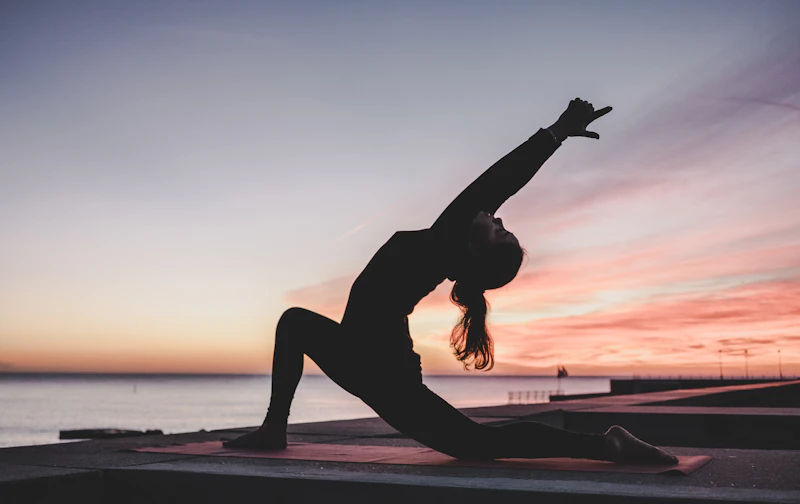
Why Low Impact Exercise Matters in Dubai
Dubai's fitness culture thrives on high-intensity training. CrossFit boxes overflow with athletes performing box jumps and burpees. Running clubs race along the marina. Yet beneath this visible energy, thousands of residents struggle with joint pain, arthritis, and post-injury rehabilitation. High-impact exercise—while effective—carries serious risks for anyone with joint vulnerability, previous injuries, or age-related degenerative changes.
Low-impact exercise offers a paradox: you can train hard without pounding your joints. This approach doesn't mean going soft or sacrificing fitness gains. Instead, it means choosing movements that eliminate repetitive joint stress while building strength, cardiovascular fitness, and muscular endurance. For Dubai's diverse population—from competitive athletes seeking cross-training to retirees seeking sustainable fitness—low-impact methods represent a path to long-term health without the injury risks of constant high-impact loading.
What Is Low Impact Exercise?
Low-impact exercise is movement where one foot (or both) stays in contact with the ground or support surface at all times. Unlike running, jumping, or plyometrics—where both feet leave the ground and impact forces multiply—low-impact activities eliminate this collision energy.
Low Impact vs. Low Intensity: Critical Difference
Many people confuse low-impact with low-intensity. They are not the same. Low-intensity means easy effort. Low-impact means joint-friendly loading. You can perform high-intensity low-impact exercise—swimming fast, cycling hard, or rowing at power—without ever compromising your joints. This distinction matters because it means low-impact training can build aerobic capacity, strength, and metabolic conditioning just as effectively as high-impact alternatives.
Examples of Low-Impact Activities
- Swimming — no ground reaction forces; 100% buoyancy-supported
- Cycling — seated position distributes force across pedal stroke
- Elliptical training — smooth arc of motion, no landing impact
- Rowing — full-body push-pull pattern, continuous contact
- Walking — natural pace with controlled loading
- Yoga — bodyweight flows with joint-friendly sequencing
- Pilates — controlled movements focusing on stability
- Tai chi — slow, deliberate movement with weight-bearing benefits
- Aqua aerobics — water resistance without impact
- Cable machine training — controlled resistance without shock loading
The Joint Health Benefits: Why Low Impact Works
Your joints are extraordinary machines. Cartilage—a smooth, slippery tissue covering bone ends—allows frictionless movement. Synovial fluid bathes the joint, reducing wear and distributing nutrients. Ligaments and tendons provide stability. When you perform high-impact exercise repeatedly, you bombard joints with forces up to 2.5 times your body weight with every step. Over time, cumulative microtrauma accumulates, breaking down the protective structures.
How Low-Impact Protects Cartilage
Low-impact training allows distributed, controlled loading. Forces spread across a longer timeline, matching the joint's natural shock-absorption capacity. Cartilage responds by strengthening, thickening, and becoming more resilient. Studies show that swimmers and cyclists—both low-impact athletes—maintain cartilage health into their 70s and 80s, while high-impact patterns often accelerate degeneration.
Synovial Fluid and Mobility
The synovial fluid in your joints responds to movement. Each repetition pumps nutrients into cartilage and removes metabolic waste. Low-impact exercise—especially when performed consistently—maintains synovial fluid quality, ensuring joints stay nourished and mobile. This is why even gentle swimming or cycling boosts flexibility more effectively than complete rest.
Inflammation and Long-Term Mobility
High-impact repetition triggers inflammatory responses as the body repairs microtrauma. Chronic inflammation accelerates degeneration and contributes to joint pain. Low-impact exercise stimulates beneficial adaptations—capillary density, collagen strengthening, muscle support—without triggering the damage-repair cycle that drives inflammation. The result: you build fitness without the inflammatory burden.
Who Benefits Most from Low Impact Training
Arthritis Sufferers
Osteoarthritis and rheumatoid arthritis are common in Dubai, particularly among expat populations with high average age. Low-impact exercise is the gold standard for arthritis management. Research consistently shows that swimmers and cyclists with arthritis report less pain, better mobility, and slower progression than sedentary populations. The key is consistency—regular low-impact activity maintains joint function far better than sporadic activity.
Post-Surgical and Injury Recovery
If you've had ACL reconstruction, shoulder surgery, or any orthopedic procedure, your physiotherapist will recommend low-impact methods during rehabilitation. Swimming, stationary cycling, and controlled Pilates allow gradual loading without re-injury risk. Returning to running or jumping too early is a primary cause of re-injury in Dubai's active population.
Athletes Over 50
Age changes joint physiology. Synovial fluid becomes less viscous. Cartilage thins. Tendon elasticity decreases. For masters athletes—runners, footballers, racquet sports players—incorporating low-impact cross-training into weekly schedules dramatically extends career longevity. Many 60-year-old swimmers in Dubai are faster and fitter than 40-year-old runners who never diversified training.
Prenatal and Postpartum Fitness
Pregnancy increases joint laxity and shifts weight distribution. The growing belly creates biomechanical stress on knees and hips. Low-impact exercise—swimming, stationary cycling, prenatal Pilates—allows fitness maintenance without risk. Postpartum, low-impact training supports pelvic floor recovery while rebuilding strength.
Overweight and Sedentary Beginners
If you're significantly overweight or returning to fitness after years of inactivity, your joints cannot handle the forces of running or jumping. Swimming and cycling allow you to train your cardiovascular system and build strength while your joints adapt gradually. Many sedentary individuals in Dubai start with water aerobics and progress to land-based exercise as strength improves.
High-Impact Athletes Seeking Cross-Training
Elite runners, basketball players, and footballers use low-impact training as strategic recovery. Swimming on off-days maintains aerobic capacity without damaging running-fatigued legs. Cycling boosts leg strength without impact strain. This cross-training pattern extends career length and reduces injury risk.
The Best Low-Impact Exercises Explained
Swimming
Swimming is the gold-standard low-impact exercise. Water provides 100% buoyancy support, eliminating all ground reaction forces. Different strokes distribute work differently: freestyle builds aerobic capacity, backstroke strengthens posterior chain, breaststroke emphasizes hip mobility. Swimmers can maintain elite fitness with zero joint stress. Dubai has excellent pools across communities—from JBR Beach to creek clubs to private facility pools.
Cycling (Stationary and Outdoor)
Cycling distributes your weight across a saddle, eliminating impact loading. The pedaling motion is smooth and repetitive, allowing sustained effort without shock. Al Qudra Cycling Track (55km loop) offers controlled-environment cycling free from traffic. Stationary cycling allows intensity control in gyms across Dubai. Both modalities build lower body strength and aerobic capacity.
Elliptical Training
The elliptical machine mimics running mechanics while maintaining continuous foot contact with the pedal. There is no landing impact. Resistance and incline can be adjusted to match fitness level. Many beginners in Dubai find elliptical training the easiest transition from sedentary life to sustained cardiovascular work.
Rowing
Rowing is a complete full-body, low-impact movement. The power phase emphasizes legs and posterior chain; the recovery phase mobilizes shoulders and core. Rowing ergometers in most Dubai gyms allow high-intensity interval training without joint stress. Indoor rowing clubs (particularly in Dubai Marina and Downtown areas) offer coached sessions and community.
Yoga
Yoga, especially gentle and restorative styles, builds strength while preserving mobility. Poses are held for duration, creating time-under-tension muscle loading. Flexibility increases naturally. Balance improves. Many Dubai residents find yoga classes (widely available across neighborhoods) provide both physical benefit and stress relief.
Pilates and Reformer Work
Pilates emphasizes controlled, precise movement through core stability. Reformer machines—available at Pilates studios across Dubai—provide variable resistance that adjusts to your strength. The method is particularly effective for post-injury rehabilitation and postural correction.
Aqua Aerobics
Water-based group fitness classes (offered in major Dubai pools) combine cardio, strength, and flexibility work in the supportive aquatic environment. Water resistance provides strength training without gravity stress. Many older adults and injured individuals prefer aqua aerobics to land-based classes.
Walking
Walking is underestimated in Dubai's fitness culture, yet it's powerful for long-term health. 10,000 steps daily provides consistent low-impact loading that strengthens bones, improves cardiovascular health, and supports mobility. Dubai's cooler winter months (November–March) make outdoor walking practical. Summer walking can occur in malls or on treadmills.
Tai Chi
Tai chi combines flowing movement, balance training, and mindfulness. The controlled speed and deliberate weight shifts build strength without impact. Studies show tai chi reduces fall risk in older adults—critical in aging populations. Classes are available at community centers and private studios across Dubai.
Low-Impact Cardio in Dubai: Where to Train
Swimming Facilities
Most major residential communities offer pools. Jumeirah, Arabian Ranches, Emirates Hills, and Downtown Dubai residents enjoy private facility access. Public pools operate in Mina Seyahi and Creekside Park. Lap swimming during off-peak hours (mornings, weekday afternoons) provides dedicated training space. Competitive swimmers can join clubs like Emirates Swim Club.
Al Qudra Cycling Track
The iconic 55km loop accommodates all cycling levels. It's traffic-free, beautifully maintained, and open from 6am-11pm. Early morning sessions (5-7am) avoid heat. The flat terrain suits beginners; various points allow shorter routes (10km, 20km loops possible).
Elliptical Training in Gyms
Nearly every gym in Dubai houses multiple ellipticals. Gyms in JBR, DIFC, Downtown, and JVC offer air-conditioned comfort. Premium facilities like Equinox provide technologically advanced machines with personalized programming.
Rowing Clubs and Facilities
Dubai Rowing Club (based in Arabian Ranches) offers on-water rowing and ergometer training. Indoor rowing machines are standard in most mid-range and premium gyms.
Yoga Studios
Yoga studios permeate Dubai. Most neighborhoods have multiple options. Styles range from gentle and restorative to power yoga. Beginner-friendly studios emphasize proper alignment and modifications for joint safety.
Pilates and Reformer Studios
Pilates studios—particularly prevalent in Dubai Marina, Downtown, and Arabian Ranches—offer group classes and private training. Reformer work is excellent for rehabilitation and controlled strength building.
Aqua Aerobics Classes
Community pools and hotel pools offer water aerobics scheduling. Classes are typically 45-60 minutes and accommodate all fitness levels.
Low-Impact Strength Training Methods
Strength training is essential for joint health. Muscle supports joints and stabilizes movement patterns. Low-impact strength doesn't mean light weights—it means eliminating impact while applying progressive resistance.
Resistance Bands
Elastic bands provide variable resistance that strengthens throughout a movement's range. They're portable, affordable, and perfect for rehabilitation. Hotels and home gyms across Dubai use bands for convenience.
Cable Machines
Cable machines provide smooth, continuous resistance through any direction of movement. They're superior to dumbbells for joint safety because there's no dropping, catching, or sudden movement stops. Every Dubai gym has cable stations.
Bodyweight Progressions
Push-ups, pull-ups, planks, and squats can be modified for joint safety. Wall push-ups, assisted pull-ups, and partial-range movements build strength without overloading joints. Pilates-based progressions emphasize controlled bodyweight work.
Seated and Supported Exercises
Seated exercises (seated shoulder press, seated row, seated leg extension) remove gravity from the equation, allowing heavier loading safely. Supported work (machines, benches) eliminates balance demands and focuses purely on targeted muscles.
Yoga and Pilates for Joint Health
Joint-Friendly Yoga Styles
Restorative yoga and gentle yoga prioritize joint safety. Props (blocks, blankets, straps) allow modifications that eliminate strain. Poses are held for 3-5 minutes, building strength through time-under-tension. Avoid power yoga, vinyasa flow, and fast-paced classes if you have joint concerns.
Yin yoga emphasizes long-held, passive stretches. This style improves fascial hydration and mobility while building tendon strength. Many Dubai residents find yin yoga beneficial for joint health and stress relief.
Pilates Modifications for Arthritis and Knee Pain
Classical Pilates movements—roll-ups, leg circles, swimming—can be modified by reducing range of motion, eliminating loaded end-ranges, or performing movements on a reformer. Reformer training is particularly valuable because the machine provides support and adjustable resistance.
For knee pain specifically: eliminate deep squats, avoid lunges with excessive forward knee tracking, and emphasize glute and hip strengthening that reduces compensatory knee stress.
Aqua Fitness for Joint Recovery
Water offers unique properties for rehabilitation. Buoyancy supports your body weight, reducing joint loading by up to 50% (chest-deep water). Water resistance provides strength training without gravity stress. Hydrostatic pressure improves circulation and reduces swelling.
Dubai Water Facilities
Jumeirah Beach Hotel pools, Al Marmoom community pool, and Arabian Ranches club pools offer dedicated aqua fitness programming. Warm-water pools (28–30°C) are superior for arthritic joints because warmth reduces stiffness.
Deep-Water Running
Running in deep water (with flotation vest) replicates running mechanics without any impact. Runners use this method during injury recovery to maintain fitness while healing.
Sample Low-Impact Workout Programs
Beginner Low-Impact Program (3 Days/Week)
Monday: Swimming
30 minutes easy swim (mix of strokes, focus on enjoyment and consistency)
Wednesday: Pilates
45-minute beginner Pilates class (mat or reformer)
Friday: Cycling
45 minutes stationary cycling or Al Qudra (easy conversational pace)
Recovery Days: Walking (30 min daily), stretching, rest
Intermediate Low-Impact Program (4 Days/Week)
Monday: Swimming Intervals
10 min warm-up, 8 x 200m intervals (1 min rest), 5 min cool-down = 55 min
Tuesday: Strength (Cables/Bodyweight)
Warm-up: 5 min elliptical
A: Cable chest press 3x12, cable row 3x12
B: Cable wood chop 3x12/side, cable pallof hold 3x20sec/side
C: Leg press machine 3x15, leg curl 3x12
Cool-down: 5 min walking
Thursday: Yoga or Tai Chi
60-minute gentle flow or tai chi class
Saturday: Rowing or Cycling
45 minutes: 5 min warm-up, 30 min steady state, 10 min cool-down
Senior-Specific Program (3-4 Days/Week)
Monday: Aqua Aerobics
60-minute group class (warm-up, aerobic work, strength, cool-down)
Wednesday: Gentle Yoga
60 minutes (balance, mobility, strength emphasis)
Friday: Walking + Resistance Bands
20 min walk, 20 min band work (shoulder, hip, core)
Optional Saturday: Water Walking or Pool Walking
30 minutes (water provides support and resistance)
Common Mistakes in Low-Impact Training
Going Too Easy
Many people equate low-impact with low-intensity. You should feel challenged. Your heart rate should elevate. Your muscles should fatigue. Low-impact doesn't mean comfortable—it means joint-safe while still demanding effort.
Ignoring Movement Quality
Poor form injures joints whether high or low-impact. Slouching during cycling, overextending knees in Pilates, or rotating your spine excessively in yoga can cause damage. Work with trainers or instructors to ensure proper technique before progressing.
Neglecting Strength Work
Cardiovascular-only low-impact training leaves you weak. Joints depend on surrounding muscle support. Include resistance 2-3 times weekly for complete joint health.
Doing Too Much Too Soon
Sudden volume increases stress joints just like impact does. Progress gradually: add 10% weekly volume, allow adaptation time before advancing intensity.
Skipping Warm-Up and Cool-Down
Joints need preparation and recovery. Always warm up (5–10 minutes easy activity) before intense work and cool down with gentle movement and stretching.
Working with Physiotherapists and Trainers in Dubai
When to See a Physiotherapist First
Before starting any new program, especially if you have existing joint pain, past injury, or arthritis, consult a physiotherapist. They'll assess your movement patterns, identify weakness or restriction, and provide specific guidance. Many Dubai physiotherapists (available in clinics across neighborhoods) specialize in sports rehabilitation.
What to Ask a Personal Trainer
- Have you trained clients with my specific condition?
- How do you modify exercises for joint safety?
- What's your protocol for progression?
- Do you have relationships with physiotherapists for client referral?
- What certifications do you hold in rehabilitation or functional movement?
Many qualified trainers in Dubai have rehabilitation backgrounds and understand low-impact programming. Don't hesitate to ask about their experience.
Nutrition for Joint Health
Exercise is half the equation. Nutritional support matters equally for joint longevity.
Collagen and Gelatin
Collagen is cartilage's primary structural component. Consuming collagen (via supplements, bone broth, or foods rich in vitamin C that supports collagen synthesis) supports joint repair. Dubai supermarkets stock collagen peptides and supplements.
Omega-3 Fatty Acids
Omega-3s reduce joint inflammation. Sources include fatty fish (salmon, mackerel), flax seeds, and supplements. Middle Eastern cuisine's emphasis on nuts and seeds provides natural omega-3s.
Anti-Inflammatory Foods
Turmeric, ginger, green tea, berries, dark leafy greens, and olive oil all reduce inflammation. Dubai's markets offer abundant fresh produce and spices supporting anti-inflammatory eating.
Adequate Protein
Muscle repairs and adapts with sufficient protein (1.2–1.6g per kg bodyweight daily for active individuals). Dubai's international grocery selection makes protein sourcing easy.
Progressing from Low to Moderate Impact Safely
If you're recovering from injury or managing arthritis, you may eventually tolerate higher-impact activity. Progression should be gradual:
- Phase 1 (Weeks 1-4): Pure low-impact (swimming, cycling, Pilates)
- Phase 2 (Weeks 5-8): Introduce modified impact (walking on soft surfaces, elliptical with incline)
- Phase 3 (Weeks 9-12): Add limited jumping (low-height jumps, controlled landing)
- Phase 4 (Weeks 13+): Progress to running or sport-specific activity if pain-free
Listen to your body. Pain—especially sharp or persistent pain—signals to back off. Gradual progression is how champions return to sport sustainably.
Ready to Start Low-Impact Training?
Book a joint-friendly fitness assessment with our trainers. We'll design a program suited to your goals and body's needs.
Conclusion: Long-Term Fitness Through Smart Training Choices
Dubai's fitness culture celebrates intensity and achievement. Yet lasting fitness requires protecting the infrastructure that makes movement possible: your joints. Low-impact exercise isn't a limitation—it's a strategic choice that allows years of consistent training without the injury and degeneration that plague high-impact-only athletes.
Whether you're managing arthritis, returning from surgery, training over 50, or simply seeking sustainable fitness, low-impact methods deliver results. Swimming, cycling, Pilates, yoga, rowing, and thoughtful strength training build strength, cardiovascular fitness, and resilience while preserving the joint health that defines long-term performance.
The Dubai runners and footballers who train smartly—mixing high and low-impact work—outlast those who solely pound pavement. Start low-impact. Build a foundation. Progress gradually. Your joints will thank you for decades to come.