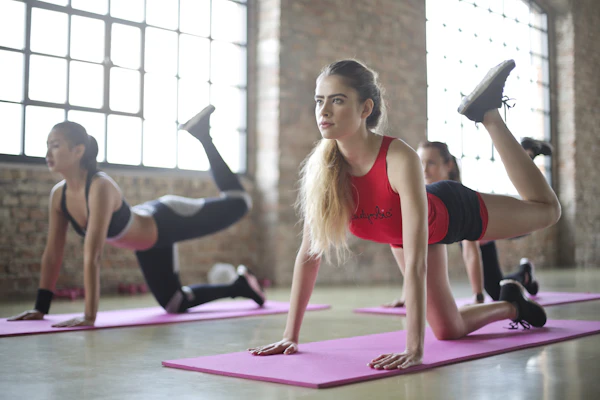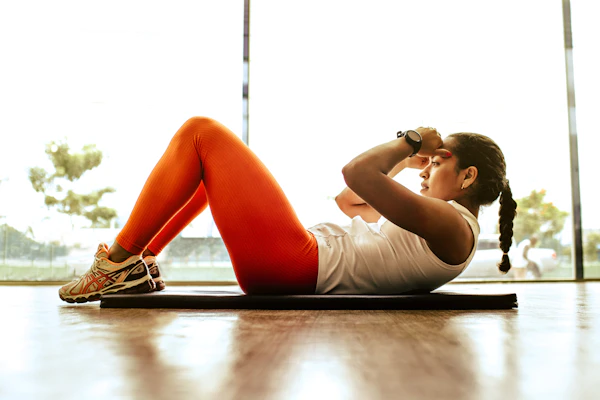
Reformer pilates has quietly become Dubai's fastest-growing fitness trend, replacing traditional gym memberships for thousands of residents who crave low-impact, high-results workouts. If you're considering jumping into a reformer class but feel overwhelmed by the machine, the pricing, or where to start—this guide covers everything you need to know. We'll explore the best studios in Dubai, realistic pricing, what your first class looks like, and when you'll actually see results.
Whether you're recovering from an injury, looking to strengthen your core, or simply tired of crowded gyms, reformer pilates offers a personalized, results-driven alternative. In this comprehensive guide, we'll walk you through every aspect of reformer pilates in Dubai, from understanding the machine itself to finding the right studio for your goals and budget. Plus, we've included insights from the complete pilates guide for Dubai to help you make an informed decision.
In This Guide
- Why Reformer Pilates Is Dubai's Fastest-Growing Workout
- What Is a Pilates Reformer Machine? A Complete Breakdown
- Best Reformer Pilates Studios in Dubai 2026
- What to Expect in Your First Reformer Class
- Reformer Pilates vs Mat Pilates: Which Should You Choose?
- Health Benefits of Reformer Pilates
- How Many Sessions Before You See Results?
Why Reformer Pilates Is Dubai's Fastest-Growing Workout
In the past three years, reformer pilates studios have more than tripled in Dubai. From the Marina to downtown to Business Bay, boutique pilates studios are opening faster than traditional gyms. Why? The answer lies in results and accessibility.
Unlike traditional gyms, where you might spend 90 minutes doing random exercises and leaving with no clear progress, reformer pilates classes are structured, scalable, and measurable. Instructors can see exactly how strong you are (by counting spring resistance levels), adapt exercises in real time, and track your progress week to week.
For Dubai's busy expats and high-achieving professionals, reformer pilates delivers a triple win: low-impact results without joint stress, intensive core work that translates to better posture and back health, and a community-driven class environment that feels like personal training without the premium price tag.
- Low impact, high results: 45-minute classes deliver visible body changes without hard-impact cardio
- Accessible to all fitness levels: Springs allow beginners and advanced athletes to train together
- Injury-friendly: Ideal for rehabilitation and physical therapy cases
- Boutique community: Small class sizes (4–8 people) create accountability and support
- Professional expat appeal: Luxury studios in DIFC, Marina, and Downtown cater to high-income demographics
What Is a Pilates Reformer Machine? A Complete Breakdown
If you've never seen a reformer up close, it can look intimidating—like medieval exercise equipment. In reality, it's one of the most intuitive fitness machines ever designed. Understanding its basic anatomy will remove the mystery and help you feel confident in your first class.
The Essential Reformer Parts
A pilates reformer consists of several key components, each serving a specific function:
- Carriage: A sliding platform that moves horizontally. You lie, sit, kneel, or stand on it while performing exercises. The smoother the carriage moves, the better the reformer quality.
- Springs (typically 4–5): These provide resistance. Different springs create different resistance levels—fewer springs means lighter resistance for beginners, more springs for advanced users. This is why reformers are scalable for all fitness levels.
- Footbar: An adjustable foot platform used for leg presses, footwork, and standing exercises. It can be raised or lowered based on your height and the exercise.
- Shoulder Rests: Padded blocks that support your shoulders during seated or standing exercises, preventing shoulder strain.
- Straps with Handles: Connected to the carriage, these straps allow you to perform arm exercises, pull movements, and controlled stretches.
How Spring Resistance Works
Unlike weights where resistance is constant, reformer springs create variable resistance. This means resistance increases as the spring stretches. For example, pressing your legs away from a footbar feels easier at the start (short spring stretch) and harder at full extension (maximum spring stretch). This variable resistance is incredibly effective for muscle building and body control.
Reformer vs Mat Pilates: The Machine Advantage
Mat pilates relies entirely on your bodyweight and gravity. Reformer pilates adds spring resistance, support, and hundreds of exercise variations. In practical terms:
- Reformer: Springs support you during exercises, making form easier to learn. You can adjust resistance to match your current strength level.
- Mat: Pure bodyweight means higher difficulty for beginners, but once mastered, it's highly portable and requires no equipment.
For beginners, reformers are superior because they scaffold learning. For traveling or home practice, mat pilates is more convenient.
Ready to Try Reformer Pilates?
Browse hundreds of pilates studios across Dubai and book your first class today. Many offer free intro sessions.
Best Reformer Pilates Studios in Dubai 2026
Dubai now has 25+ dedicated reformer pilates studios, ranging from ultra-luxury boutiques to accessible neighborhood studios. We've categorized them by area and price to help you find the right fit.
Boutique Reformer Studios (Premium: AED 160–200 per class)
Dubai Marina & Jumeirah
- Pilates Body Dubai: Marina location, luxury facility with 6 reformers, expert instruction. AED 180–200 per class. Monthly unlimited: AED 2,400.
- Core Studio Dubai: JBR beachfront location, trendy vibe, small group classes (max 6). AED 175 per class. 10-class pack: AED 1,600.
- Flex & Flow Pilates: Dubai Marina, contemporary design, mix of reformer and mat classes. AED 190 per class. Monthly unlimited: AED 2,600.
DIFC & Downtown Dubai
- Peak Pilates Dubai: Downtown Dubai, corporate-focused studio, early morning and lunch classes. AED 160–180 per class. Corporate packages available.
- Precision Reformer Studio: DIFC, luxury setting, high-end equipment, small classes. AED 170–190 per class. Monthly: AED 2,200.
- Studio Pilates & Wellness: Downtown, integrated with physio services, great for recovery-focused training. AED 160–175 per class.
Mid-Range Studios (AED 120–140 per class)
Business Bay & JLT
- Flow Pilates JLT: Jumeirah Lake Towers, modern facility, 8 reformers, good for beginners. AED 125–135 per class. Monthly: AED 1,600.
- Reform Studio Business Bay: Business Bay, convenient location for professionals, mix of private and group. AED 120–140 per class.
- Central Pilates: JLT, bright, modern space, variety of class levels. AED 130 per class. 10-pack: AED 1,200.
Budget-Friendly Options (AED 90–110 per class)
Al Barsha & Other Areas
- BodyAlign Pilates: Al Barsha, welcoming studio for beginners, 4 reformers. AED 100–110 per class. Monthly: AED 1,300.
- Core Strength Pilates: Industrial area studio, lower overhead = better prices. AED 90–105 per class. 10-pack: AED 900.
- Wellness Studio Dubai: Shared fitness space with multiple class types. AED 95–110 per class. Flexible drop-in pricing.
Pricing Overview Table
| Studio Type | Per Class | 10-Class Pack | Monthly Unlimited |
|---|---|---|---|
| Boutique Reformer (Marina) | AED 180–200 | AED 1,600–1,800 | AED 2,200–2,800 |
| Boutique Reformer (DIFC/Downtown) | AED 160–190 | AED 1,500–1,700 | AED 2,000–2,600 |
| Mid-Range Studio (JLT/Business Bay) | AED 120–140 | AED 1,100–1,300 | AED 1,400–1,800 |
| Budget Studio (Al Barsha/Other) | AED 90–110 | AED 850–1,000 | AED 1,000–1,400 |
| Private Session (Any Area) | AED 250–450 | — | — |
1. Buy a 10-class pack: You'll save 10–15% per class vs drop-in pricing. 2. Go monthly unlimited if you plan 4+ classes per week (you'll break even). 3. Many studios offer 1–2 free intro classes—use these to find your fit before committing. 4. Off-peak classes (morning, early afternoon) sometimes cost 10–15% less.
What to Expect in Your First Reformer Class
Walking into a reformer studio for the first time can feel nerve-wracking. You'll see a machine that looks like it belongs in a gym equipment showroom, hear unfamiliar terminology, and watch people moving in ways that seem impossible. Let's walk through exactly what happens, so you show up confident.
Class Format & Duration
Most reformer pilates classes in Dubai run 45–55 minutes. Here's the typical flow:
- Warm-up (5 minutes): Breathing exercises and gentle stretches. Your instructor will teach you "pilates breathing"—inhaling through the nose for 4 counts, exhaling for 4–6 counts. This is essential for core engagement.
- Footwork circuit (10 minutes): Lying on your back, feet on the footbar, you'll press the carriage away and pull it back. Sounds simple, but your quads, glutes, and core are working hard. You'll do variations: feet parallel, turned out, one-legged.
- Core series (15 minutes): Single leg circles, leg springs work, long stretches. This is where the "pilates core work" happens—deep, controlled movements that engage stabilizer muscles.
- Upper body & arms (10 minutes): Chest expansion, shoulder work using the straps. You'll feel your back and shoulders engage.
- Cool-down & stretch (5 minutes): Restorative stretches and breathing work.
Group Size & Personalization
In Dubai, most classes have 4–8 participants (sometimes up to 12 in larger studios). This is perfect—you're not alone (community!), but your instructor can still watch your form and offer corrections. Expect your instructor to come around and adjust your positioning, deepen stretches, or suggest modifications.
What Happens in Your Body During the First Class
Even if you're fit, your first reformer class will challenge muscles you've never engaged at this depth. You might feel:
- Core activation: A "burning" sensation in your abdominals, even though you're not doing crunches. This is deep core engagement—exactly what's supposed to happen.
- Leg fatigue: Your quadriceps and glutes will work. A lot. Expect soreness the next 2 days (this is normal and a good sign).
- Mind-body connection: Reformer classes demand focus. You can't zone out like you might on a treadmill. This is mentally centering for many people.
Will I be too weak? No. Springs let you modify resistance. You can use fewer springs or fewer repetitions. Will everyone judge me? Absolutely not. Everyone in class was a beginner once, and reformer communities are genuinely supportive. Should I bring anything? Wear comfortable, flexible clothes. No special shoes needed—most people go barefoot or in grip socks. Bring water.
Find Your Perfect Reformer Studio
Dubai has studios for every budget and neighborhood. Browse options in your area, read reviews, and book your first class—most offer a free or discounted intro session.
Reformer Pilates vs Mat Pilates: Which Should You Choose?
Both reformer and mat pilates are excellent practices, but they're fundamentally different. Understanding the distinction will help you choose what's right for your goals, fitness level, and budget.
Side-by-Side Comparison
- Cost: Mat classes (AED 80–120) are typically cheaper than reformer (AED 90–200). Mat requires only a space and a mat; reformer requires expensive equipment.
- Accessibility: Reformer is more beginner-friendly because springs provide support. Mat requires higher baseline strength and good form awareness from the start.
- Intensity: Reformer classes are more intense—springs add resistance you can't remove (except by changing spring load). Mat pilates intensity depends entirely on your bodyweight and effort level.
- Results: Reformer delivers faster visible changes (muscle tone, posture) in 4–6 weeks. Mat takes 8–12 weeks to see significant changes but offers deeper core stabilization once mastered.
- Scalability: Reformer scales easily—adjust springs for more or less resistance. Mat scaling requires advanced modifications, making progression less intuitive.
- Portability: Mat is highly portable—you can practice anywhere. Reformer is stationary.
- Injury suitability: Reformer is better for rehab and injury prevention because springs support your movement. Mat can aggravate certain injuries if form is poor.
Who Should Choose Reformer?
- Beginners wanting faster visible results
- People recovering from injury or working with a physiotherapist
- Those seeking intense core work in shorter time (45 minutes vs 60 for mat)
- Anyone wanting personalized, scalable resistance
- People who prefer guided group fitness over solo practice
Who Should Choose Mat?
- Advanced fitness enthusiasts seeking deep stabilization work
- Budget-conscious exercisers
- Travelers or those practicing at home
- People who prefer slower, more meditative practice
Many Dubai practitioners do both. Start with reformer to build strength and learn proper form, then add mat classes for flexibility and advanced work. Together, they create a well-rounded pilates practice.
Health Benefits of Reformer Pilates
Reformer pilates isn't just about aesthetics (though visible muscle tone happens). The practice delivers profound functional health benefits that most people notice within 2–3 weeks of regular practice.
Core Strength & Stability
Every reformer exercise engages your deep core muscles—transverse abdominis, multifidus, and pelvic floor. Unlike crunches that work surface abs, reformer work builds the stabilizer muscles that support your spine, improve posture, and reduce back pain. Most practitioners report 30–40% improvement in lower back pain within 6 weeks.
Postural Alignment
Bad posture is epidemic in Dubai—hours at desks, driving, scrolling. Reformer pilates trains your body to maintain neutral spine alignment, shoulder stability, and proper hip positioning. You'll notice yourself sitting straighter, standing taller, and feeling less neck and shoulder tension.
Spinal Decompression & Mobility
The reformer's springs gently decompress your spine while you move, creating space between vertebrae. This is especially valuable if you have desk-job compression. Combined with dynamic stretching, many practitioners report increased flexibility and reduced stiffness.
Injury Prevention & Rehabilitation
Reformer pilates is widely used in physical rehabilitation. It strengthens stabilizer muscles around joints (knees, shoulders, hips) without high impact, making it ideal for ACL recovery, rotator cuff rehab, or general injury prevention.
Full-Body Muscle Toning
Despite the emphasis on core, reformer pilates works every muscle. Leg springs challenge your glutes, quadriceps, and hamstrings. Arm springs work shoulders, triceps, and back. The carriage work engages stabilizers throughout your body. You'll see visible muscle definition within 4–6 weeks of 2–3 classes per week.
Mental Health & Stress Relief
The focus required during reformer work creates a meditative state. You can't check your phone or think about work emails. Combined with the breathing techniques taught in class, reformer pilates reduces stress hormones and increases endorphins. Many practitioners report it's their favorite mental break of the week.
How Many Sessions Before You See Results?
The most common question: "When will I see results?" The answer depends on what you mean by "results," but there's a well-documented progression in reformer pilates.
The "10 Sessions" Milestone
Joseph Pilates, the founder of the practice, said: "In 10 sessions, you feel the difference. In 20 sessions, you see the difference. In 30 sessions, you have a whole new body." While this was written in 1945, it holds up surprisingly well in 2026.
Week 1–2 (Sessions 1–6)
- What you'll feel: Muscle soreness (especially days 2–3 after your first class—this is normal). You'll notice you're breathing better in class. Form is still challenging; you're learning positions and terminology.
- What you won't see yet: Visible muscle changes. Your clothes will fit the same.
- Mental benefit: Immediate. Many people report sleeping better after their first week.
Week 3–4 (Sessions 7–14)
- What you'll feel: Exercises that felt hard now feel manageable. You'll notice better posture—your shoulders naturally sit back. Core feels stronger walking and sitting. Less lower back pain if you had it.
- What you'll see: Subtle muscle definition appearing, especially in your core and legs. Clothes might fit slightly different (often more snug around shoulders/quads—this is muscle growth).
- Timeline: Around session 10–12, you'll hit a psychological boost—you're officially a "reformer person" now.
Week 5–8 (Sessions 15–30)
- What you'll see: Visible muscle definition. If you're doing 2–3 classes per week, your glutes and quads will have noticeably more tone. Core definition around your midsection. Posture transformation is obvious to people who know you.
- What you'll feel: Significantly stronger. Exercises that felt impossible in week 1 now feel moderate. You'll want to increase spring resistance to stay challenged. Flexibility improves noticeably.
- Long-term changes: Back pain is usually resolved. Energy levels increase. You'll crave the classes—they become part of your routine.
1. Take progress photos: Same pose, lighting, clothing every 2 weeks. Photos don't lie. 2. Track spring resistance: Write down how many springs you're using for each exercise. Progression happens fast—you'll jump from 2 springs to 4 springs in weeks. 3. Listen to your body: Increased energy, better sleep, less pain = progress, even if you don't see visible changes yet. 4. Measure key areas: Waist, thighs, chest. Muscle weighs more than fat, so the scale might not move while you're visibly changing.
Realistic Timeline for Dubai Beginners
If you attend 2–3 classes per week consistently, here's what to expect:
- After 2 weeks: Better sleep, reduced back pain, improved posture awareness
- After 4 weeks: Clear muscle tone emerging, increased energy, clothes fit different
- After 8 weeks: Significant visible muscle definition, substantially stronger, flexibility improvements, 5–10 lbs of muscle gain possible
- After 12 weeks: "A whole new body"—if you've been consistent, you'll look and feel transformed
The key variable is consistency. Sporadic classes (1 per month) won't produce visible results. Consistent practice (2–3 per week) will. Most Dubai practitioners find that once they feel the benefits, staying consistent becomes easy—reformer classes become the highlight of their week.
Expect Plateaus—And How to Push Through
Around week 6–8, you might feel your progress has stalled. This is normal—your body has adapted. To push through, ask your instructor to increase spring resistance, add more advanced variations, or try new class formats. Many studios offer "advanced" classes for practitioners ready to level up. Don't get discouraged; this plateau is temporary.
Reformer pilates delivers faster, more visible results than most workouts because it's consistently challenging, low-injury, and progressive. If you're looking for a fitness practice you can sustain for years—one that improves strength, posture, and mental health—reformer pilates in Dubai is an excellent choice. Start with an intro class, commit to 10 sessions, and let the results speak for themselves.