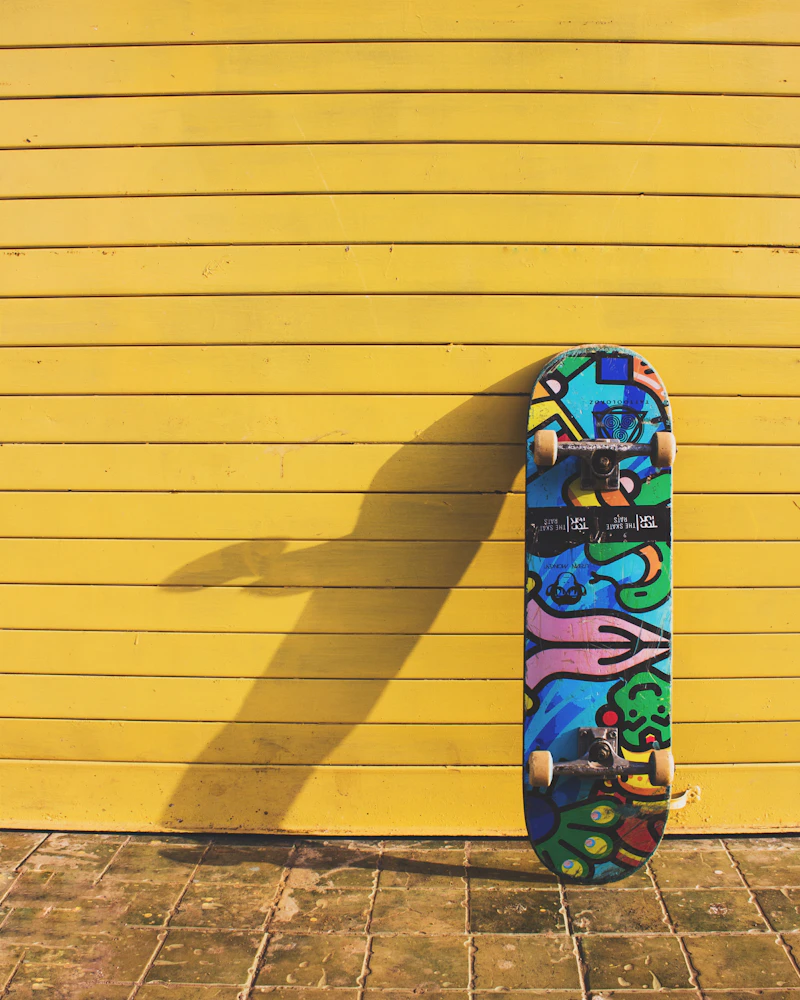
Skateboarding and urban sports have exploded across Dubai's fitness landscape, offering dynamic, high-energy alternatives to traditional gym training. Whether you're seeking core strength, balance development, or pure cardio intensity, skateboarding delivers comprehensive fitness benefits while building real skills on wheels. This guide covers Dubai's best skate parks (XDubai, Kite Beach, Dubai Creek Harbour), fitness science behind skateboarding, beginner progression, safety essentials, seasonal considerations, and how to find professional instruction starting at AED 200-400 per session.
Table of Contents
- Why Skateboarding for Fitness?
- Complete Fitness Benefits of Skateboarding
- Calories Burned & Training Intensity
- Best Skate Parks in Dubai
- Beginner Guide: How to Start Skateboarding
- Essential Equipment & Safety Gear
- Urban Sports Beyond Skateboarding: BMX, Inline Skating & Parkour
- Seasonal Training: Summer vs Winter in Dubai
- Professional Lessons & Pricing in Dubai
- FAQ
Why Skateboarding for Fitness?
Skateboarding isn't just a hobby—it's a legitimate full-body fitness activity that engages stabilizer muscles, improves neuromuscular coordination, and burns significant calories. Unlike static gym exercises, skateboarding forces your body to continuously adapt to ground reaction forces, terrain changes, and balance challenges. This constant micro-adjustments triggers rapid muscle fiber recruitment, cardiovascular adaptation, and neural efficiency gains.
For Dubai's fitness-focused community, skateboarding offers distinct advantages: it's accessible regardless of age, requires minimal equipment investment compared to other sports, provides measurable progression milestones, and delivers tangible skill development alongside physical improvements. The sport has evolved from counterculture to mainstream fitness, with major athletes now integrating skateboarding into cross-training programs.
The Urban Fitness Movement in Dubai
Dubai's boom in urban sports reflects global trends toward functional, movement-based training. Unlike isolated gym machines, skateboarding, parkour, and inline skating engage the kinetic chain holistically. Young professionals increasingly prefer urban sports for stress relief, community building, and variety. The emirate's growing skate scene includes dedicated parks, coaching networks, and competitions attracting regional talent.
Traditional strength training isolates muscle groups; skateboarding integrates them. Where a squat targets legs, skateboarding forces legs, core, stabilizers, and proprioceptive systems to work in coordination. This functional integration translates directly to real-world movement patterns and injury prevention.
Complete Fitness Benefits of Skateboarding
Core & Trunk Stability
Skateboarding demands constant micro-adjustments to maintain balance. Your core muscles—transverse abdominis, multifidus, obliques, and erector spinae—work continuously to stabilize your spine on a moving platform. Research shows skateboarders develop superior trunk control compared to untrained populations. This translates to better posture, reduced lower back pain, and improved athletic performance across all disciplines.
Leg Strength & Hip Development
Every push, every trick, every turn requires powerful leg extension. Skateboarding uniquely targets the posterior chain: glutes, hamstrings, and calf muscles work explosively during propulsion. Over time, skateboarders develop exceptional single-leg strength and hip stability—critical for injury prevention and athletic longevity. Weekly skateboarding sessions build leg endurance comparable to moderate-intensity cycling.
Cardiovascular Adaptation
A typical skateboarding session at moderate intensity elevates heart rate to 140-160 bpm, stimulating aerobic capacity development. Unlike steady-state cardio, skateboarding includes high-intensity bursts (tricks, sprints) interspersed with recovery periods, making it an effective interval training stimulus. Research shows 45-60 minutes of skateboarding produces cardiovascular adaptations similar to 45 minutes of running, with lower joint impact.
Balance & Proprioception
Balance isn't innate—it's developed through practice. Skateboarding forces constant proprioceptive demand, training your nervous system to integrate sensory information and coordinate movement. Beginner skateboarders improve balance measurably within 4-6 weeks. Enhanced proprioception reduces fall risk, improves athletic agility, and benefits everyday life safety (especially valuable for older adults in urban environments).
Ankle Stability & Foot Strength
Your feet and ankles stabilize every movement on a skateboard. This constant demand strengthens intrinsic foot muscles, improves ankle proprioception, and develops lateral ankle stability. Studies show skateboarders experience fewer ankle injuries compared to general populations, despite the apparent injury risk. Strong feet and ankles support all lower-body athletic activities.
Beyond physical fitness, skateboarding delivers powerful mental health benefits: increased confidence through skill mastery, stress relief via flow state engagement, improved social connection through community, and resilience building through falls and recovery. Many Dubai athletes cite skateboarding as their primary mental wellness tool.
Calories Burned & Training Intensity
| Activity (60 min) | Calories Burned* | Intensity Level | Best For |
|---|---|---|---|
| Casual Skateboarding | 200-250 | Light-Moderate | Beginners, active recovery |
| Street Skating (tricks) | 300-400 | Moderate-High | Skill development, fitness |
| Park Skating (bowls, transitions) | 350-450 | High | Cardiovascular, leg power |
| Speed Skating (distance) | 400-500 | Very High | Endurance, speed development |
| BMX Racing | 450-600 | Maximum | Power, explosiveness |
| Inline Speed Skating | 350-500 | High-Very High | Lower-impact cardio |
*Calorie estimates for 75kg adult; varies by fitness level, technique, and terrain
Skateboarding intensity varies dramatically based on style and environment. Casual street cruising delivers light activity equivalent to walking briskly; park skating rivals running; speed skating approaches maximum aerobic intensity. For fitness purposes, most practitioners fall into the moderate-to-high range, making skateboarding an efficient calorie burner that doesn't feel like traditional cardio.
Best Skate Parks in Dubai
XDubai Skate Park (Al Quoz) — Premier Facility
XDubai is the Middle East's largest and most respected skate park, featuring world-class street sections, ledges, rails, stairs, and a bowl complex. Located in Al Quoz, the facility spans 5,000+ square meters with meticulously maintained concrete surfaces. XDubai hosts regular competitions, skill clinics, and community events. Entry is affordable (AED 20-40), and coaching is available. The park suits all levels—beginners practice flat ground tricks while advanced skaters progress to technical bowl riding and rail tricks.
Best times: Early morning (6-8am) for quieter sessions, evening (5-7pm) for community atmosphere. Avoid peak midday heat. XDubai's location in the warehouse district means minimal shade; bring hydration and sun protection.
Kite Beach Skate Zone — Beginner-Friendly Street Spot
Kite Beach (near La Mer) offers informal street skating with smooth concrete, gentle banks, and beginner-appropriate features. The location combines fitness with coastal views—skate, then swim or relax on the beach. The spot is popular for progression sessions where skateboarders focus on foundational skills: pushing, turning, basic tricks. Community energy is positive and welcoming to newcomers.
Best times: Early mornings (6-7:30am) or late evening (6-7:30pm) when beach crowds thin and temperatures drop. Summer afternoons are prohibitively hot. The beach atmosphere makes it perfect for mixed fitness activities—combine skating with beach fitness.
Dubai Creek Harbour — Emerging Facility
Dubai Creek Harbour's mixed-use development includes dedicated skate zones with modern street features. The location offers water views, proximity to restaurants and amenities, and growing coaching availability. While smaller than XDubai, it's convenient for Dubai South residents and provides a community-focused environment.
Skate parks near Dubai Creek Harbour, International City, and Business Bay offer convenient access. Many martial arts studios and urban fitness centers located near skate parks offer cross-training opportunities combining skateboarding with strength, flexibility, and sport-specific coaching.
Informal Spots & Street Skating Locations
Beyond dedicated parks, Dubai offers countless street spots for informal skateboarding: Business Bay plazas, DIFC parking structures, Downtown parking lots, and Mirdif shopping center courtyards. Always check local regulations, obtain permission when on private property, and respect local customs. Early morning sessions (5:30-7:30am) on quiet streets offer safe, traffic-free environments for skill practice.
Beginner Guide: How to Start Skateboarding
Phase 1: Foundation & Balance (Weeks 1-3)
Complete beginners start on flat ground, learning board familiarity and balance. Focus on: mounting and dismounting safely, standing on the board while stationary, finding your stance (regular vs goofy), and weight distribution. Expect to spend 60-70% of session time simply standing on the board, getting comfortable with unstable surfaces. Progress happens when basic mounting becomes automatic.
Phase 2: Propulsion & Cruising (Weeks 3-6)
Once balance stabilizes, learn pushing mechanics. Proper pushing technique: place your dominant foot on the tail, push with your back foot using hip extension (not knee bending), and shift weight forward as momentum builds. Start with 10-15 meter pushes, rest, repeat. Gradually extend distance. Learn basic turning by leaning and weight shifting. By week 6, most practitioners can cruise 50+ meters with confidence.
Phase 3: Trick Fundamentals (Weeks 6-12)
Basic tricks build on solid pushing foundation. Common progression: kickturns (sharp turns), manuals (wheeling on rear wheels), ollies (jumping the board), and shove-its (spinning the board beneath your feet). Each trick typically requires 3-5 focused practice sessions, with dramatic improvement after 10-15 attempts. Celebrate small wins—landing your first ollie is a legitimate athletic milestone.
Safety Progression Protocol
Never progress to new terrain or tricks without foundational mastery. Falls are inevitable; they're data collection points, not failures. Experienced skateboarders fall 2-5 times per session; this is normal. Most beginner injuries result from overconfidence, not reasonable progression. Respect the learning curve and trust the process.
Rushing progression: Don't attempt tricks before mastering balance and pushing. Poor footwork mechanics: Many beginners use knee bending instead of hip extension for pushing; this creates fatigue and reduces power. Inadequate protection: Wrist guards prevent 90% of serious beginner injuries. Skating alone: Have a spotter or buddy early on. Hot surface skating: Summer asphalt in Dubai can hit 60°C+; this damages board bushings and melts shoe rubber.
Essential Equipment & Safety Gear
Skateboard Selection for Beginners
A proper beginner setup costs AED 300-500. Avoid cheap department-store boards; they use poor bearings, flimsy decks, and uncomfortable construction. Quality beginner brands available in Dubai: Element, Toy Machine, Enjoi, and Girl Skateboards. Key specs: 8.0-8.5" width deck (standard street size), quality ABEC-7 or ABEC-9 bearings, durable grip tape, and quality trucks. Many local skate shops (concentrated around Al Quoz) offer professional advice and setup assistance.
Safety Gear: The Non-Negotiable Items
- Helmet: Essential for all skill levels. Most serious skateboarding injuries involve head impact. Choose ASTM or CPSC-certified helmets. Brands: 187 Killer Pads, Bern, Predator. Cost: AED 100-200. Replace after impact.
- Wrist Guards: Prevent wrist fractures (most common beginner injury). Rigid-splint models superior to flexible versions. Cost: AED 50-100.
- Elbow & Knee Pads: Protect joints during falls. Quality pads: 187 Killer Pads, Pro-Tec. Cost: AED 80-150 per pair.
- Skate Shoes: Proper skateboarding shoes feature reinforced toe caps, flexible soles, and ankle support. Vans, Emerica, Lakai brands designed specifically for skating. Cost: AED 200-350.
Total beginner safety kit: AED 400-600. This is a one-time investment; replace items as needed (helmets after impacts, grip tape annually, shoes as they wear).
Dubai-Specific Considerations
Heat protection: Skateboarding in Dubai's heat demands aggressive hydration and sun safety. Drink 500ml water before skating, 250ml every 20 minutes during session, 500ml post-session. UV-protective clothing and sunscreen (SPF 50+) prevent heat exhaustion and sun damage. Early morning (6-8am) and late evening (5-7:30pm) sessions are safer, more enjoyable.
Surface preparation: Dubai's concrete can be rough and uneven. Inspect spots before skating; hot asphalt damages board components. Carry a small repair kit: grip tape patches, wrenches for bearing maintenance, and bearing lubricant.
Urban Sports Beyond Skateboarding: BMX, Inline Skating & Parkour
BMX Racing & Freestyle
BMX (Bicycle Motocross) involves specialized bikes and either racing or freestyle disciplines. Racing demands explosive power on dirt tracks; freestyle focuses on tricks and technical skills. Fitness benefits rival skateboarding but emphasize explosive leg power and cardiovascular capacity. BMX requires significant skill development; most practitioners progress through 6-12 months of focused training before attempting advanced tricks.
Dubai has informal BMX spots and emerging formal facilities. Equipment cost: AED 400-800 for beginner-appropriate bikes. Lessons available through cycling coaches at major gyms and sports centers.
Inline Speed Skating
Inline skating (rollerblading) provides excellent lower-impact cardiovascular training. Speed skating burns 350-500 calories/hour at moderate intensity. It's especially valuable for individuals with joint concerns who find running uncomfortable. Balance requirements similar to skateboarding; progression faster due to more stable platform. Dubai's flat terrain and wide boulevards suit recreational inline skating well.
Equipment: AED 300-600 for recreational inline skates; competitive speed skates AED 800-1200. Entry level lessons available through sports centers.
Parkour & Freerunning
Parkour emphasizes creative movement through urban environments: vaulting, climbing, balancing, and flowing movement. Fitness benefits are extreme—explosive power, body control, proprioception, and confidence. Unlike skateboarding, parkour requires no equipment (just appropriate shoes). Dubai's architecture (low walls, accessible rooftops, diverse terrain) supports parkour practice.
Critical note: Parkour involves significant injury risk if unsupervised. Professional coaching is essential. Prices: AED 250-400 per lesson through certified coaches. Group classes: AED 150-250 per session at progressive fitness studios.
Ready to Master Urban Sports?
Connect with professional coaches, find beginner-friendly spots, and progress safely through structured skill development. Expert guidance accelerates results and prevents injury.
Seasonal Training: Summer vs Winter in Dubai
Summer Skateboarding (June-August)
Dubai's summer temperatures (40-45°C+) create extreme conditions. Peak hours (11am-4pm) are dangerous for outdoor activity. Strategic approach: skate during early mornings (5:30-7:30am) or very late evenings (7-8:30pm). Ground temperatures spike; asphalt can exceed 60°C, damaging board components and creating safety hazards.
Hydration becomes critical—more aggressive than typical training. Drink 750ml pre-session, 250ml every 15 minutes during skating, 500ml post-session. Electrolyte supplementation helps retain fluids. Wear UV-protective clothing and quality sunscreen. Session duration: Keep summer sessions 45-60 minutes maximum. Intensity: Focus on skill development rather than power/speed work; heat limits intensity capacity.
Winter Skateboarding (November-February)
Winter brings ideal conditions: 20-25°C mornings, 25-30°C afternoons, low humidity. This window enables extended sessions, high intensity work, and skill advancement. Most skateboarders schedule progression training and competition preparation during winter months. Sessions can extend 90-120 minutes comfortably. Parks experience increased activity; community vibrancy peaks.
Winter strategy: Capitalize on favorable conditions by training during spring seasons, mastering new tricks, building endurance. This creates momentum that carries through challenging summer months.
Professional Lessons & Pricing in Dubai
Skateboarding Coaching Structure
Professional skateboarding coaching is increasingly available in Dubai. Coaches typically offer: one-on-one private lessons (most effective), small group clinics (4-6 people), and park classes. Pricing structure:
- Private Lessons (1:1): AED 200-400 per hour. Best for beginners needing foundational technique, or advanced skateboarders targeting specific tricks. Experienced coaches command higher rates (AED 350-400).
- Group Clinics (4-8 people): AED 100-200 per person per session. Cost-effective option; provides community connection. Slightly less personalized but excellent for beginner foundations.
- Drop-in Park Sessions: AED 20-50 per session. Informal coaching while skating; useful for refinement but limited instruction.
- Multi-Session Packages: AED 800-1200 for 5 sessions (10-20% discount vs single sessions). Common among beginners committing to structured progression.
Finding Quality Coaches in Dubai
Seek coaches with skateboarding competition experience, teaching certification, and positive community reputation. Key red flags: coaches who rush progression, avoid teaching fundamentals, or minimize safety. Reputable coaches at Al Quoz facilities, major gyms, and community centers. Check reviews on GetFitDXB trainers directory for verified skateboarding instruction.
Cross-Training Integration
Many skateboarders enhance progress through complementary training: strength training for leg power and core stability, flexibility work for ankle mobility and injury prevention, and nutrition optimization for recovery and energy.
Get Professional Coaching
Expert instruction accelerates skill development, prevents injury, and makes learning enjoyable. Our coaches specialize in skateboarding and urban sports progression.
FAQ
Q: What's the best age to start skateboarding?
A: There's no age limit. Children (6-8 years) learn fastest due to fearlessness and balance development windows. Teens/adults learn at typical rate but with better discipline and safety consciousness. Many adults start skateboarding in their 30s, 40s, and beyond. Progress depends on practice consistency, not age.
Q: How long until I can do tricks?
A: Basic tricks (kickturns, manuals) typically emerge after 3-4 weeks of 3x weekly practice. Ollies (the foundational jumping trick) usually appear by week 6-8. Advanced tricks require months of focused work. Remember: small progressions compound into major skills over time.
Q: Is skateboarding safe for beginners?
A: Falls are normal and expected; they're part of learning. Proper protective equipment (helmet, wrist guards, pads) prevents 90% of serious injuries. Beginner injuries typically heal within 1-2 weeks. The risk profile improves dramatically with proper progression and technique focus.
Q: Can I combine skateboarding with gym training?
A: Yes. Many athletes use strength training 2-3x weekly to complement skateboarding. Focus on: legs (squats, lunges), core stability (planks, pallof presses), and ankle work. Avoid excessive lower-body volume; skateboarding is demanding leg training. Allow recovery days between intense sessions.
Q: What's the difference between street and park skating?
A: Street skating focuses on obstacles (rails, stairs, ledges) with short, technical tricks. Park skating involves transition features (bowls, ramps) with longer, flow-oriented riding. Both require different skill sets; many skateboarders train both. Street skating suits beginners; park skating requires stronger fundamentals but offers impressive flow rewards.