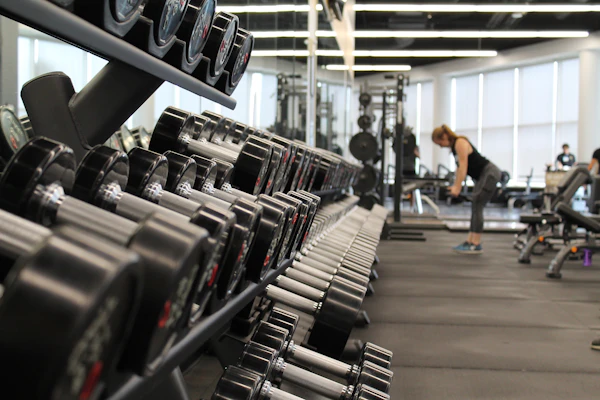
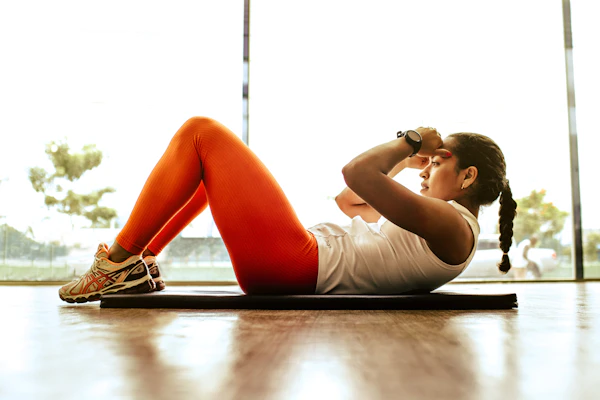
Plyometric training—explosive jump and power training—has transformed from elite sports science into mainstream fitness across Dubai's most competitive gyms and CrossFit boxes. Whether you're an athlete seeking performance gains, a fitness enthusiast aiming to build explosive power, or someone recovering from lower-body injuries, plyometrics deliver measurable results in speed, strength, and athletic capability. This comprehensive guide reveals everything Dubai residents need to know about plyometric training: what it is, who teaches it, how much it costs, structured programmes for all levels, and proven safety protocols adapted to Dubai's intense heat and unique fitness environment.
Table of Contents
- What is Plyometric Training? Why Dubai Athletes Love It
- Benefits of Plyometric Training for Dubai Fitness Enthusiasts
- Best Plyometric Exercises for Dubai Residents
- Where to Train Plyometrics in Dubai
- Finding a Plyometric Training Coach in Dubai
- Plyometrics for Sports Performance in Dubai
- Plyometric Training Safety: Injury Prevention in Dubai's Heat
- Plyometric Training Programmes: Beginner to Advanced
- Cost of Plyometric Training in Dubai
- Frequently Asked Questions
What is Plyometric Training? Why Dubai Athletes Love It
Plyometric training encompasses explosive movements where muscles exert maximum force over minimal time. The defining characteristic: rapid stretch-shortening cycles. When you land from a jump, your muscles lengthen under tension (eccentric phase), then immediately contract explosively to propel you upward or forward (concentric phase). This stretch-shortening cycle trains your neuromuscular system to generate power—the combination of strength and speed that separates explosive athletes from merely strong ones.
Box jumps, burpees, jump squats, bounding, and clap push-ups exemplify plyometrics. All share a common feature: rapid deceleration followed by rapid acceleration. This contrasts with traditional strength training, which emphasizes controlled tempos and maximum load. Plyometrics instead emphasize speed of movement, reactive strength, and power output measured in watts.
Dubai's fitness culture has embraced plyometrics for compelling reasons. First, Dubai's expanding sports infrastructure—hosting international football leagues, basketball tournaments, martial arts championships—creates demand for athletic performance training beyond conventional strength work. Second, the city's premium CrossFit boxes integrate plyometrics as foundational elements of functional fitness. Third, Dubai's expat population includes athletes from competitive sports backgrounds who understand power training's performance benefits. Finally, Dubai's climate (extreme heat making outdoor running impractical) drives athletes toward indoor plyometric work during summer months when explosive training provides measurable fitness gains despite temperature constraints.
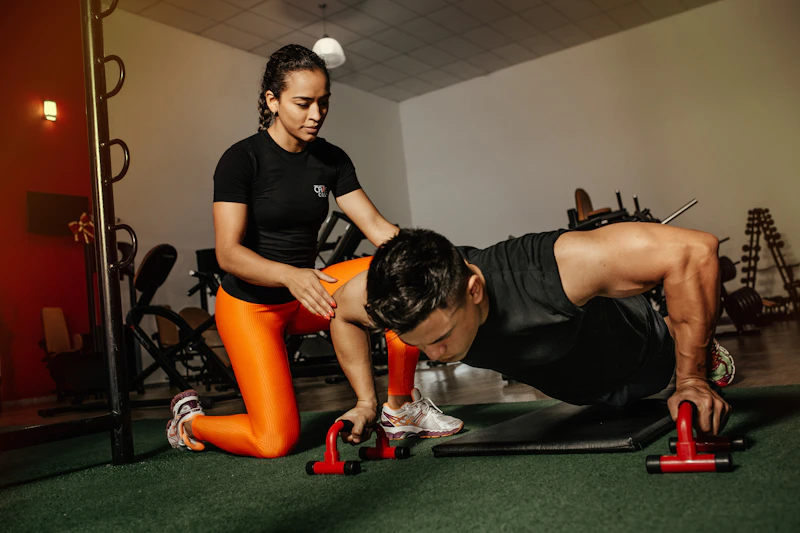
Plyometric training in Dubai differs from global norms in one critical way: heat management. Plyometric sessions are intense, elevating heart rate and core temperature rapidly. Combined with Dubai's ambient temperature regularly exceeding 40°C from May through September, proper hydration, timing, and recovery become non-negotiable components of programming rather than optional extras.
Benefits of Plyometric Training for Dubai Fitness Enthusiasts
The benefits extend far beyond simple jumping ability. Plyometric training delivers specific, measurable performance improvements that attract Dubai's competitive fitness community.
Increased Power Output: Plyometrics improve your ability to generate force quickly. For athletes, this translates directly to performance: faster sprints, higher jumps, more explosive changes of direction. Even non-athletes benefit from improved power—climbing stairs faster, carrying heavy items with less effort, reacting quickly to physical demands becomes easier.
Improved Speed and Agility: Reactive strength (how quickly your muscles can transition from lengthening to shortening) improves dramatically with plyometric training. This manifests as faster footwork, quicker directional changes, and improved balance during dynamic movement. Athletes across all sports (football, basketball, tennis, martial arts) require these qualities for competitive advantage.
Enhanced Athletic Performance: Studies consistently show that plyometric-trained athletes outperform non-trained peers in sport-specific tasks. Volleyball players jump higher, sprinters accelerate faster, footballers change direction more explosively. In Dubai's expanding sports scene, these advantages translate to competitive success.
Bone Strengthening: The high-impact nature of plyometrics stimulates bone adaptation. Repeated impact stress triggers bone-building responses, increasing bone density and resilience. This becomes particularly valuable for women (at higher osteoporosis risk post-menopause) and aging athletes maintaining skeletal strength.
Metabolic Boost: Plyometric sessions create substantial metabolic demand. The nervous system activation, muscle fibre recruitment, and recovery demands trigger elevated post-exercise oxygen consumption (EPOC). This "afterburn effect" extends calorie expenditure hours after training, supporting fat loss when combined with proper nutrition.
Reduced Injury Risk (When Programmed Correctly): This seems counterintuitive—high-impact training reducing injury risk—but evidence supports it. Plyometrics strengthen stabilizer muscles, improve proprioception (body awareness), and enhance neuromuscular control. Athletes with sound plyometric training show fewer lower-body injuries. However, poor technique or excessive volume create injury risk, which is why professional coaching matters enormously.
The 5 Core Benefits Plyometric Training Delivers
- Power Output: Generate more force in shorter time periods
- Speed and Agility: Faster reactive movements and directional changes
- Athletic Performance: Sport-specific improvements in jumping, sprinting, explosiveness
- Bone Strength: Increased bone density through impact stimulus
- Metabolic Enhancement: Elevated calorie burn and nervous system adaptation
Best Plyometric Exercises for Dubai Residents
Effective plyometric training emphasizes progressive complexity and proper sequencing. Beginners should master fundamental patterns before advancing to complex variations. Here are the essential exercises you'll encounter with qualified Dubai coaches.
Box Jumps: Stand facing a sturdy box (24-36 inches for beginners), swing your arms and jump explosively, landing softly on the box with bent knees. Step down (never jump down—this creates excessive eccentric stress). Box jumps develop lower-body power, explosive hip extension, and reactive strength. They're foundational for plyometric training and appear in virtually every structured programme. Start with lower box heights; as neuromuscular control improves, progress to higher boxes. A qualified coach ensures you're selecting appropriate box heights—too low and the training stimulus is insufficient; too high and form breaks down, creating injury risk.
Burpees: The classic full-body plyometric. From standing position, drop into a plank, perform a push-up, explosively jump your feet back towards your hands, then jump vertically. Burpees combine upper-body power (explosive push-up), lower-body power (explosive feet jump), and cardiorespiratory demand. They're brutally effective but technically complex—poor form during fatigue can injure shoulders or lower back, which is why progression from basic burpees to advanced variations matters greatly.
Jump Squats: Perform a bodyweight squat, then explosively jump upward with maximum effort, landing softly to immediately descend into the next repetition. Jump squats train explosive quadriceps and glute power. The landing mechanics are critical—knees should track over toes, and landing should be soft (not rigid), allowing ankles, knees, and hips to absorb impact together. Quality matters far more than speed; two technically perfect jump squats beat ten sloppy ones.
Bounding and Skipping: These involve repeated single-leg explosive movements. Bounding alternates legs as you explosively push off from each leg, travelling horizontal distance. These develop single-leg power, balance, and stability. Skipping involves continuous explosive ankle and calf movements. Both demand significant cardiovascular effort—in Dubai's heat, proper hydration becomes essential during these exercises.
Clap Push-ups and Plyometric Upper Body Work: Explosive push-ups where hands leave the ground momentarily (and you clap between them) develop upper-body power. Variations include archer push-ups and diamond push-ups. These are significantly more advanced than lower-body plyometrics and require substantial baseline upper-body strength before attempting them.
Lateral Bound and Lateral Box Jumps: These lateral (sideways) movements develop frontal-plane power and lateral stability often neglected in traditional training. They're particularly valuable for football, basketball, and tennis players requiring multi-directional explosiveness.
Find an Athletic Performance Coach in Dubai
Browse 200+ certified personal trainers specializing in athletic performance and plyometric training. Compare rates, read reviews, and book your first session today.
Where to Train Plyometrics in Dubai
Not all gyms offer plyometric training—it requires specific equipment, certified instruction, and insurance coverage. Here's where to find quality plyometric training across Dubai's geography.
CrossFit Boxes: Dubai's 40+ CrossFit facilities are the epicentre of plyometric training. Boxes provide specialized equipment (plyo boxes of varying heights, bumper plates for drop training), coaches certified in gymnastics and Olympic lifting who understand power development, and group culture that celebrates explosive athleticism. Top boxes include CrossFit Dubai (JLT and Marina branches), MVPT (Barsha), and RX Dubai (Business Bay). Group plyometric classes typically cost AED 80-150 per session.
Sports-Specific Training Academies: Facilities like CrossFit gyms in Dubai and dedicated sports academies offer plyometric-focused programmes. These typically serve athletes training for specific sports (football, basketball, volleyball). Coaching is usually sport-specific rather than general fitness, which is valuable for serious athletes.
Premium Personal Training Studios: High-end PT studios in Dubai Marina, Business Bay, and JLT frequently offer plyometric training as part of athletic performance packages. One-on-one plyometric coaching typically costs AED 250-400 per session, with discounts for package purchases.
Outdoor Training (Limited Season): October through March, Dubai parks become viable for plyometric work. Some coaches utilize parks for outdoor plyometric sessions during cooler months. Al Safa Park, Zabeel Park, and Mushrif National Park accommodate group training during optimal temperature windows.
Finding a Plyometric Training Coach in Dubai
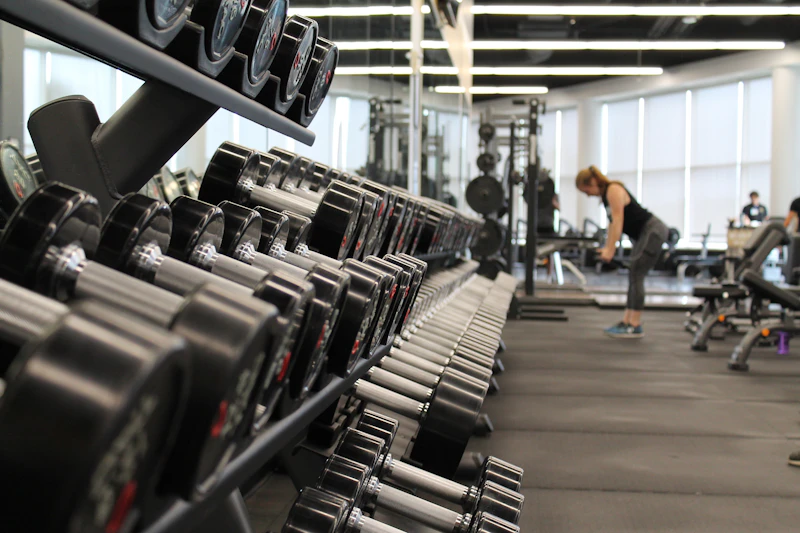
Plyometric coaching requires specific expertise beyond basic personal training certification. Here's what separates qualified plyometric coaches from general trainers.
Essential Certifications for Plyometric Coaches: Look for trainers holding NSCA-CSCS (Certified Strength and Conditioning Specialist), IYCA-YPT (International Youth Conditioning Association), CrossFit Level 2+, or sport-specific coaching certifications. These demonstrate structured knowledge of power development, program design, and age-specific progression protocols. Additionally, certifications in Certified Athletic Trainer (LAT) or sports medicine backgrounds indicate specialized knowledge.
Red Flags in Plyometric Coaching: Avoid coaches who progress beginners to advanced plyometrics too quickly, provide no injury assessment before starting, don't explain exercise rationale, or prescribe identical workouts to all clients regardless of individual capacity. Quality plyometric coaches assess your movement baseline, screen for existing injuries or limitations, and individualize progressions accordingly.
Evaluating a Plyometric Coach: During an initial consultation, assess whether they: ask about your training history and specific goals, discuss your injury history thoroughly, explain exercise selection rationale clearly, demonstrate each exercise flawlessly, address your concerns about impact and safety, and provide a structured progression plan. A quality coach adapts programmes to individual capacity—they don't push everyone equally hard regardless of readiness.
Plyometrics for Sports Performance in Dubai
Dubai hosts athletes across diverse sports. Plyometric training benefits differ across sports but universally enhance performance.
Football (Soccer): Explosive directional changes, powerful first-step acceleration, and jumping ability for aerial duels define competitive football. Plyometric training improves lateral quickness and reactive strength critical for match success. Professional football academies in Dubai integrate plyometrics as foundational elements of player development.
Basketball: Vertical jump, explosive lateral movement, and rapid change-of-direction are basketball essentials. Plyometric training increases vertical jump 2-4 inches within 8 weeks of consistent training—a noticeable competitive advantage. Many NBA-style training programmes in Dubai feature substantial plyometric components.
Martial Arts (Kickboxing, MMA, Karate): Power generation in strikes, explosive footwork for evasion, and lower-body stability for standing exchanges all improve with plyometric training. Dubai's booming martial arts community frequently incorporates plyometric conditioning into fighter preparation.
Volleyball and Badminton: Jumping ability and explosive multi-directional movement define these sports. Plyometric protocols specifically targeting vertical jump improve these sports' critical performance metrics.
Plyometric Training Safety: Injury Prevention in Dubai's Heat
Plyometric training carries injury risk if programmed carelessly. However, with proper progression and technique, plyometrics actually reduce injury risk. Here's how to train safely in Dubai's unique environment.
Baseline Strength Requirement: Before plyometric training, establish foundational strength. You should comfortably perform single-leg squats with control, complete 15+ strict push-ups, and maintain stable single-leg balance on each leg for 30+ seconds. Without these baselines, plyometric forces overwhelm your neuromuscular control capacity, creating injury risk. A qualified coach assesses these baselines before starting plyometric training.
Progression Hierarchy: Plyometric training must follow specific progressions. Start with basic box jumps, progress to higher boxes, then add variations like jump squats, burpees, and bounding. The progression mirrors skill complexity: master fundamental patterns before advancing to complex variations. This prevents compensatory movement patterns that create injury risk.
Landing Mechanics: How you land matters more than how you jump. Proper landing form: soft landing through ankles, knees, and hips simultaneously; knees tracking over toes; trunk stable; no knee collapse (valgus stress). Poor landing mechanics—particularly knees caving inward or landing with rigid knees—create anterior cruciate ligament (ACL) injury risk. Every plyometric coach should obsess over landing quality, pausing and correcting suboptimal mechanics before progressing intensity.

Heat Management in Dubai Training: Dubai's extreme summer temperatures create unique plyometric training challenges. Plyometric sessions elevate core temperature 1-2°C due to intense neuromuscular demands. Combined with ambient temperatures exceeding 45°C, overheating becomes a legitimate risk. Mitigation strategies: train during cooler hours (early morning 6-8am or late evening 8-10pm), reduce session density during peak summer months (fewer explosive reps, longer rest periods), increase hydration dramatically (3-4 litres daily minimum, more during/after training), and consider ice baths or cold showers post-session to accelerate recovery and lower core temperature. Some coaches recommend reducing plyometric volume during June-August and resuming full intensity October-May.
Recovery Requirements: Plyometric training stresses the nervous system intensely. Adequate recovery is non-negotiable. Never perform plyometrics on consecutive days. Three to four days weekly maximum is optimal. Prioritize 8-9 hours nightly sleep, as sleep deprivation impairs neuromuscular recovery. Proper nutrition (sufficient protein and carbohydrates) supports adaptation. Neglecting these recovery factors while maintaining intense plyometric volume rapidly leads to overtraining, injury, or sudden performance plateaus.
Critical Safety Protocols for Plyometric Training
- Establish baseline strength first: Complete beginner strength training before starting plyometrics
- Perfect landing mechanics: Soft, multi-joint landing, not rigid leg or collapsed knees
- Individualized progression: Master fundamental patterns before complex variations
- Heat management in Dubai: Train during cooler hours, increase hydration substantially
- Adequate recovery: Never train plyometrics on consecutive days; prioritize sleep
- Professional assessment: Start with qualified coach evaluating your movement baselines
Plyometric Training Programmes: Beginner to Advanced
Structured programmes ensure safe progression and measurable results. Here's a framework for three levels of plyometric training.
Beginner Plyometric Programme (Weeks 1-4): Three sessions weekly, each lasting 30-40 minutes. Focus on fundamental movement patterns and establishing proper landing mechanics. Each session includes: 10-minute warm-up (light cardio + dynamic stretching), foundational plyometrics (box jumps, jump squats, basic burpees), 48-hour recovery between sessions. Volume: 3 sets of 5 box jumps (24-inch box), 3 sets of 8 jump squats, 3 sets of 5 burpees. Rest 2-3 minutes between sets. Emphasis: quality over intensity, perfect form, controlled landing.
Intermediate Plyometric Programme (Weeks 5-12): Three to four sessions weekly, 45-50 minute sessions. Progress complexity and intensity. Include box jumps (30-36 inch boxes), lateral bounds, alternating jump lunges, clap push-ups, and longer plyometric circuits. Volume increases: 4 sets of 6 box jumps, 4 sets of 10 jump squats, 3 sets of 8 bounding (each leg), 3 sets of 5 clap push-ups. Rest 90-120 seconds between sets. Integrate plyometrics with strength training: perform plyometrics first when nervous system is fresh, then complete strength work. This ensures peak power output on demanding plyometric movements.
Advanced Plyometric Programme (12+ weeks): Four sessions weekly, variable duration based on goals. Advanced techniques: single-leg box jumps, depth jumps (jumping down from a box, then immediately jumping up), reactive jumps, and sport-specific plyometric drills. Complex circuits combining multiple plyometric movements. Higher volumes with reduced rest periods. Example circuit: 10 box jumps (36-inch box) → 15 jump squats → 10 lateral bounds each direction → 8 clap push-ups → 30-second rest. Repeat 4 sets. This volume and intensity only appropriate after substantial baseline training.
| Programme Level | Duration | Weekly Sessions | Typical Results Timeline |
|---|---|---|---|
| Beginner (learn fundamentals) | 4 weeks | 3 sessions/week | Improved landing mechanics, baseline power metrics |
| Intermediate (build power) | 8 weeks | 3-4 sessions/week | 2-3 inch vertical jump increase, faster footwork |
| Advanced (sport-specific) | 12+ weeks | 4 sessions/week | 4-6 inch vertical jump increase, sport-specific performance gains |
Cost of Plyometric Training in Dubai
Plyometric training costs vary significantly based on programme structure and coaching level. Here's realistic Dubai pricing.
| Plyometric Training Option | Cost | Best For |
|---|---|---|
| Group Plyometric Class (CrossFit, sports academy) | AED 80-150/class | Beginners seeking group atmosphere and lower cost |
| Personal Plyometric Session (1-on-1) | AED 250-400/session | Personalized programming with form corrections |
| Plyometric Package (8-12 sessions) | AED 2,000-4,500/package | Discounted rates when committing to multiple sessions |
| Monthly Unlimited Classes (CrossFit/facility) | AED 600-1,200/month | Frequent training with high volume at lower per-session cost |
| Online Plyometric Coaching (remote) | AED 800-1,600/month | Flexible scheduling for busy professionals |
| Sport-Specific Athletic Programme | AED 3,000-8,000/month | Comprehensive programmes for competitive athletes |
Try CrossFit & Plyometric Classes in Dubai
Explore 40+ CrossFit boxes and athletic training facilities offering plyometric classes. Prices start at AED 80 per class. First class usually free or discounted.
Most beginners should budget AED 2,000-3,000 for initial 8-10 coaching sessions to establish proper technique and programming foundation. This investment in professional guidance prevents costly injuries and accelerates progress substantially compared to self-directed plyometric training from online resources.
Frequently Asked Questions
Is plyometric training safe for beginners?
Yes, with proper progression and professional coaching. Plyometric training requires adequate baseline strength, correct technique, and individualized progression. Start with fundamental patterns (box jumps, jump squats) before advancing to complex movements. Work with a certified coach initially to establish proper landing mechanics and programme design. The risk of plyometric training comes primarily from inadequate progression or poor technique—with these addressed, plyometric training is safe and beneficial for all fitness levels.
Can plyometrics improve vertical jump in Dubai's heat?
Absolutely. Eight to twelve weeks of consistent plyometric training typically increases vertical jump 2-4 inches in beginners, 3-6 inches in intermediate trainees, with elite athletes seeing similar gains at higher absolute jump heights. However, Dubai's heat requires careful management: train during cooler hours (6-8am or 8-10pm), increase hydration substantially, and reduce volume during peak summer months if ambient temperatures exceed 45°C.
How often should I do plyometric training?
Three to four times weekly is optimal for most trainees. Never perform plyometric training on consecutive days—the nervous system requires 48 hours recovery between high-intensity plyometric sessions. More frequent training doesn't accelerate progress; it increases overtraining and injury risk. Combined with strength training, perform plyometrics first in sessions (when nervous system is fresh) before strength work.
What's the difference between plyometrics and HIIT training?
Plyometrics emphasize power development—generating maximum force rapidly. HIIT emphasizes metabolic conditioning—sustained high-intensity work elevating heart rate. Both are valuable; they target different adaptations. Plyometrics develop neuromuscular power for athletic explosiveness; HIIT develops cardiovascular fitness and metabolic resilience. A comprehensive athletic programme includes both but emphasizes plyometrics first in sessions.
Can I do plyometric training in summer in Dubai?
Yes, but with substantial modifications. Train during early morning (6-8am) or late evening (8-10pm) when ambient temperatures are lower. Reduce session volume 20-30% compared to winter training. Dramatically increase hydration—aim for 4+ litres daily minimum during summer. Consider shorter, more frequent sessions rather than long dense workouts. Some athletes prefer reducing plyometric intensity during June-August and resuming full intensity October-May when Dubai's climate permits higher training volume.
Do I need expensive equipment for plyometric training?
Professional plyometric facilities provide specialized equipment (plyo boxes, bumper plates, crash pads), but plyometrics can progress substantially with minimal equipment. Bodyweight plyometrics (jump squats, burpees, bounding) require no equipment and provide exceptional training stimulus. A jump rope (AED 30-50) enables additional plyometric variations. An adjustable resistance band (AED 80-150) supports lower-body plyometrics. Starting with group classes or coached sessions means equipment is already provided—you just bring yourself and commitment.
Related Reading