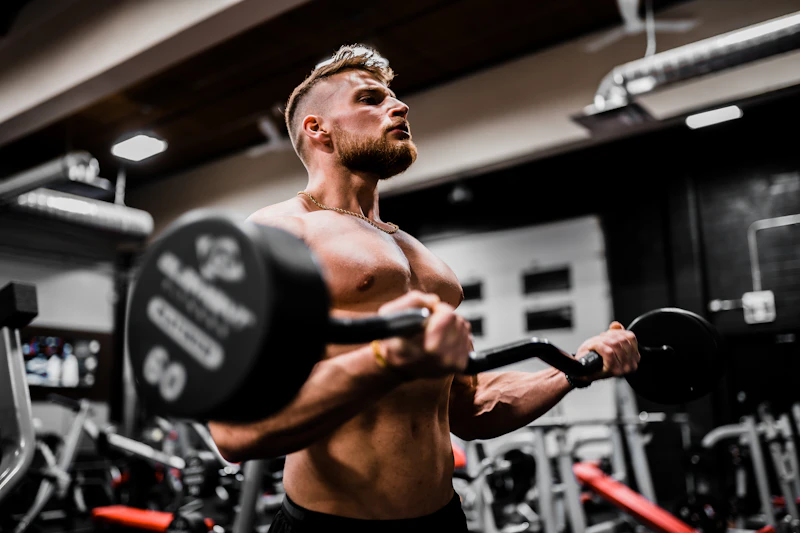
Dubai has quietly become one of the world's great cities for building muscle. The combination of world-class gym infrastructure, a driven and diverse fitness community, year-round access to premium training facilities, and a culture that genuinely celebrates physical achievement makes Dubai an extraordinary place to pursue serious strength and size goals. Whether you are a complete beginner picking up a barbell for the first time or a competitive bodybuilder chasing your pro card, this guide gives you everything you need to build muscle intelligently and sustainably in the UAE's greatest city.
1. Why Dubai is a Bodybuilder's City
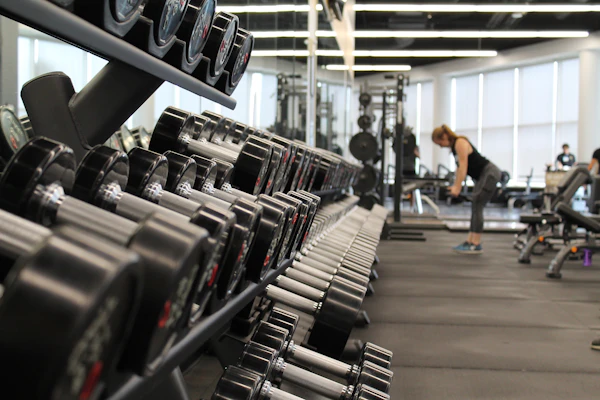
Walk into any serious gym in Dubai at 6am and you will understand immediately why this city has developed such a powerful lifting culture. Racks of iron, the smell of chalk, rows of cable machines stretching back 30 metres — Dubai's best facilities rival anything in Los Angeles, London, or Sydney. But it is not just the hardware. It is the people.
Dubai's fitness community is arguably the most internationally diverse on Earth. In a single session at a major gym, you might train alongside competitive powerlifters from Eastern Europe, bodybuilders from West Africa, aesthetic fitness athletes from the UK, and local Emirati strength athletes — all sharing tips, spots, and sets. This cross-pollination of training philosophies creates a uniquely rich environment for learning and growth.
A Culture Built Around Performance
The UAE has invested heavily in sport and fitness infrastructure for decades, and that investment shows. National fitness initiatives, affordable gym chains like GymNation (from AED 99 per month), and an abundance of boutique strength training studios mean that access to good training facilities has never been easier or more affordable.
Beyond infrastructure, Dubai's competitive culture — the same force that drives its business community — naturally extends to the gym floor. The desire to improve, to outperform, to achieve visible results, is embedded in the city's DNA. For those who want to build serious muscle, there are few better environments in the world.
Year-Round Training Consistency
In many countries, outdoor training is seasonally limited. In Dubai, the challenge is different: summer heat makes outdoor training dangerous from June through September, but the city's air-conditioned gyms operate year-round at premium standards. This means you can maintain a perfectly consistent training schedule regardless of what is happening outside. For muscle building — which depends fundamentally on progressive overload over months and years — this consistency is enormously valuable.
- 500+ fitness facilities across Dubai, from AED 99/month budget gyms to AED 1,200/month premium clubs
- Over 200 certified strength coaches and bodybuilding specialists on GetFitDXB
- Multiple annual bodybuilding and physique competitions including natural federations
- Excellent supplement availability in all major areas, with competitive pricing
- Large expat community means you will find coaches who understand your training background
2. The Fundamentals of Muscle Building
Before diving into Dubai-specific guidance, it is worth grounding everything in solid science. Muscle hypertrophy — the growth of muscle tissue — follows well-established physiological principles that apply regardless of where you train. Understanding these principles will help you make better decisions about your gym choice, programme selection, nutrition, and recovery.
The Three Drivers of Muscle Growth
Sports science has identified three primary mechanisms that drive muscle hypertrophy:
- Mechanical tension: The force placed on muscle fibres during resistance exercise, particularly under a loaded stretch. This is the dominant driver and the main reason heavy compound lifting is so effective for building mass.
- Metabolic stress: The accumulation of metabolic by-products like lactate during high-rep training. This is the "pump" mechanism — less critical than tension but still contributing to growth, especially in isolation exercises.
- Muscle damage: Microscopic tears in muscle fibres that stimulate a repair response, leading to stronger, larger tissue. This is most pronounced in eccentric (lowering) phases and novel exercises.
A well-designed muscle building programme addresses all three mechanisms, typically through a combination of heavy compound lifts (3–6 reps), moderate-load hypertrophy work (8–15 reps), and higher-rep pump work (15–25 reps).
Progressive Overload: The Non-Negotiable Principle
If there is one rule that overrides all others in muscle building, it is this: your muscles must face a progressively greater challenge over time. If you do the same workout with the same weights and the same reps every week, you will maintain your current physique — but you will not grow. Progressive overload means incrementally increasing either the weight, the volume (total sets × reps), the density (more work in less time), or the difficulty (shorter rest, more challenging exercise variation) over time.
In practical terms, this usually means adding 2.5–5kg to your compound lifts every 1–2 weeks as a beginner, transitioning to monthly or cycle-based progression as you advance. Tracking your workouts — either in a notebook or a training app — is therefore not optional. It is essential.
Recovery: The Overlooked Half of Muscle Building
Muscles do not grow in the gym. They grow during recovery. Every training session is a stimulus — a signal to the body to adapt and become stronger. But that adaptation only occurs if you provide adequate recovery: sufficient sleep (7–9 hours per night), appropriate nutrition (particularly protein intake), and enough rest between training the same muscle group (typically 48–72 hours for direct training).
Dubai's lifestyle can challenge recovery if you are not intentional. Long working hours, active social life, inconsistent sleep schedules, and the general busyness of city life can erode your recovery capacity without you noticing. Building structure around sleep and nutrition is as important as programming your training splits.
3. Best Gyms for Muscle Building in Dubai
Not all gyms are created equal for bodybuilding and strength training. What makes a great muscle building gym is different from what makes a great cardio or group fitness facility. You need an abundance of free weights, multiple squat racks (ideally power cages), a good cable machine setup, and a culture that tolerates and respects serious lifting. Dubai has excellent options across multiple price points.
For a comprehensive look at gym options, see our full guide to the best bodybuilding gyms in Dubai. Below is an overview of the key categories.
Premium Bodybuilding Gyms
At the premium end, Gold's Gym (multiple Dubai locations) offers the kind of iron-heavy environment that serious bodybuilders love. With its heritage brand recognition, large free weight sections, and a community of competitive athletes, Gold's Dubai locations consistently attract the city's most dedicated lifters. Membership typically runs AED 350–500 per month.
NAS Sports Complex in Oud Metha is one of Dubai's largest fitness facilities, with an extensive weights floor, Olympic lifting area, and strong competitive culture. NAS hosts numerous fitness events and competitions, which adds to its atmosphere. Monthly memberships start around AED 400.
Fitness First Platinum locations — particularly in Dubai Marina, JLT, and Downtown — offer premium equipment, plenty of squat racks, and a professional environment suited to serious training. Platinum memberships typically run AED 450–600 per month but come with access to multiple clubs.
Mid-Range Bodybuilding Options
Revolution Gym in Al Quoz has developed a strong reputation among serious lifters for its no-frills, equipment-heavy approach. Lower overheads mean more money spent on iron than on marble lobbies — which is exactly what committed bodybuilders want. Memberships typically run AED 250–350 per month.
The Warehouse Gym (multiple locations) has built a loyal following among Dubai's functional fitness and strength community, offering extensive free weights alongside CrossFit-style equipment. Their Al Quoz and Dubai Marina locations are particularly well-equipped for compound lifting.
Budget-Friendly Options
GymNation has genuinely democratised access to quality gym equipment in Dubai. With memberships from AED 99 per month and locations spread across the city — including JVC, Al Quoz, Mirdif, and more — GymNation offers surprisingly comprehensive free weight and machine selections. For budget-conscious lifters or those just starting out, GymNation is an excellent choice.
Before committing to a gym membership, visit during peak hours (6–8pm on weekdays) to assess squat rack availability. Some Dubai gyms have impressive equipment lists on paper but only 2–3 squat racks, creating frustrating queues during busy periods. For serious bodybuilding, you want at least 4–5 racks available.
4. Training Programmes That Work
The best training programme is the one you can follow consistently while progressively overloading week after week. That said, not all programmes are equally effective, and understanding the main approaches helps you choose what suits your schedule, experience level, and goals.
For Beginners: Full Body or Upper/Lower
If you have been lifting for less than a year, you are in the fortunate position of being able to grow rapidly on a very simple programme. Beginner programmes should prioritise:
- Frequency: Training each muscle group 2–3 times per week. Beginners respond better to higher frequency than more advanced lifters.
- Compound movements: Squat, deadlift, bench press, overhead press, and row variants form the foundation. These multi-joint exercises stimulate the most muscle mass per exercise.
- Simple progression: Adding weight every session (linear progression) is achievable for beginners and should be exploited aggressively while it lasts.
Well-validated beginner programmes include Starting Strength, StrongLifts 5×5, GZCLP, and various push/pull/legs adaptations. A qualified personal trainer in Dubai can adapt any of these to your specific starting point and equipment availability.
For Intermediate Lifters: Push/Pull/Legs
The Push/Pull/Legs (PPL) split remains one of the most effective intermediate programmes for building overall muscle mass. Training 6 days per week (2 full cycles), it allows each muscle group to be trained twice weekly with adequate recovery between sessions.
- Push: Chest, shoulders, triceps — bench press, overhead press, cable flies, lateral raises, tricep work
- Pull: Back, biceps — deadlifts, rows, pull-ups/lat pulldowns, face pulls, curl variations
- Legs: Quads, hamstrings, glutes, calves — squats, Romanian deadlifts, leg press, leg curls, calf raises
For Advanced Lifters: Periodised Hypertrophy Programmes
Advanced lifters benefit from periodisation — systematically varying training volume, intensity, and exercise selection over weeks and mesocycles. Popular approaches include:
- Linear Periodisation: Progressing from higher volume/lower intensity to lower volume/higher intensity across a training block (typically 8–16 weeks).
- Daily Undulating Periodisation (DUP): Varying rep ranges within the same week — e.g., heavy on Monday, moderate on Wednesday, light/pump on Friday.
- Block Periodisation: Dedicating blocks of 4–6 weeks to specific goals (hypertrophy block → strength block → peaking block), used extensively by competitive bodybuilders.
Ready to Build Serious Muscle in Dubai?
Connect with certified strength coaches and bodybuilding specialists on GetFitDXB. Tell us your goals and we'll match you with the right coach.
5. Nutrition for Muscle Growth in Dubai's Climate
You cannot out-train a poor diet. Nutrition for muscle building follows universal principles — calorie surplus, high protein intake, adequate carbohydrates for training performance — but Dubai's climate and lifestyle add specific considerations that every lifter here should understand.
For a complete breakdown, see our guide to muscle building nutrition in Dubai's heat. Key principles are summarised below.
Calorie Surplus: How Much Is Enough?
Building muscle requires consuming more calories than you burn — but not by as much as many beginners assume. Research suggests that a moderate surplus of 200–500 calories per day above your maintenance level is sufficient for most people to maximise muscle gain while minimising unnecessary fat accumulation. Aggressive "dirty bulking" — eating without limit in pursuit of maximum size — tends to produce disproportionate fat gain that then requires a lengthy and difficult cut.
Calculate your maintenance calories using the Mifflin-St Jeor equation (easily available online) and multiply by an appropriate activity factor. Then add 250–400 calories. Start there, track your bodyweight weekly for 3–4 weeks, and adjust based on what the scale tells you.
Protein: The Non-Negotiable Macro
Protein provides the amino acids necessary for muscle protein synthesis — the process by which damaged muscle fibres are repaired larger and stronger. The current scientific consensus is that 1.6–2.2 grams of protein per kilogram of bodyweight per day is optimal for muscle building in trained individuals. Some research suggests benefits up to 2.4g/kg for those in a calorie deficit or doing very high training volumes.
In practical terms, a 80kg man targeting 2g/kg needs 160g of protein daily. Spreading this across 4–5 meals rather than eating it all at once optimises muscle protein synthesis rates.
Dubai makes hitting your protein targets relatively straightforward. The city has an excellent range of high-protein food options:
- Fresh meat, poultry, and seafood from supermarkets like Carrefour, Waitrose, Spinneys, and LuLu Hypermarket
- Ready-to-cook lean protein sources are affordable and widely available
- Meal prep companies like Kcal, Fuel, and Green Community offer macro-calculated meals delivered to your door
- A strong supplement industry means protein powders are competitively priced compared to many other countries
Dubai-Specific Nutrition Challenges
Dubai's extreme heat creates unique nutritional demands that standard muscle building advice does not address:
- Elevated sweat rate: Dubai's heat and humidity cause significantly higher sweat rates during training, increasing the loss of sodium, potassium, and magnesium. Replenishing electrolytes is not optional — it is essential for maintaining training performance and recovery.
- Reduced appetite in heat: Many people find their appetite suppressed in hot weather, making it harder to eat the calorie surplus needed for muscle growth. Liquid calories (smoothies, shakes), calorie-dense foods, and eating in air-conditioned environments can all help.
- Timing around heat exposure: If any outdoor activity is part of your routine, eat at least 2 hours before to avoid GI distress and ensure adequate glycogen stores before exertion in heat.
Carbohydrates: Fuel, Not Enemy
Despite persistent dietary myths in fitness culture, carbohydrates are not something to fear for muscle building. They are the primary fuel for high-intensity resistance training, and glycogen depletion directly impairs training performance. Dubai's climate makes carbohydrate timing even more relevant — consuming carbohydrates around your training sessions ensures your muscles have the glycogen they need to perform at their best even in hot, humid conditions.
A practical approach: consume 40–60g of easily digestible carbohydrates (rice, oats, fruit) 60–90 minutes before training. Post-workout, combine protein with carbohydrates to accelerate glycogen replenishment and support muscle protein synthesis.
6. Supplements: What Works, What Doesn't
The supplement industry is enormous in Dubai, and gyms and health stores are full of products promising extraordinary results. The reality is more measured: a small number of supplements have strong evidence behind them, and the rest range from marginally useful to entirely ineffective.
Evidence-Based Supplements for Muscle Building
| Supplement | Evidence Level | Typical Dose | Approx. Monthly Cost (AED) |
|---|---|---|---|
| Creatine Monohydrate | ⭐⭐⭐⭐⭐ Very strong | 3–5g daily | 50–100 |
| Whey Protein Powder | ⭐⭐⭐⭐⭐ Strong (convenience) | 25–50g per serving | 150–350 |
| Caffeine (pre-workout) | ⭐⭐⭐⭐ Strong (performance) | 3–6mg/kg body weight | 80–200 |
| Beta-Alanine | ⭐⭐⭐ Moderate (endurance) | 3.2–6.4g daily | 60–120 |
| Vitamin D3 + K2 | ⭐⭐⭐⭐ Strong (indoors) | 2000–4000 IU D3 daily | 40–80 |
| Omega-3 Fish Oil | ⭐⭐⭐ Moderate (recovery) | 2–3g EPA+DHA daily | 60–120 |
Creatine monohydrate deserves special mention. It is the most researched sports supplement in history, has an excellent safety profile over decades of use, and demonstrably increases strength and power output — leading to more reps per set and greater progressive overload over time. If you are serious about building muscle, creatine monohydrate (the basic form, not fancy variants) is worth including.
The UAE has strict regulations around certain supplements and substances. Always purchase from reputable retailers and check that products are WADA-compliant if you compete in tested sports. Avoid any supplements purchased from non-official sources or online with unverifiable origins.
7. Finding the Right Strength Coach in Dubai
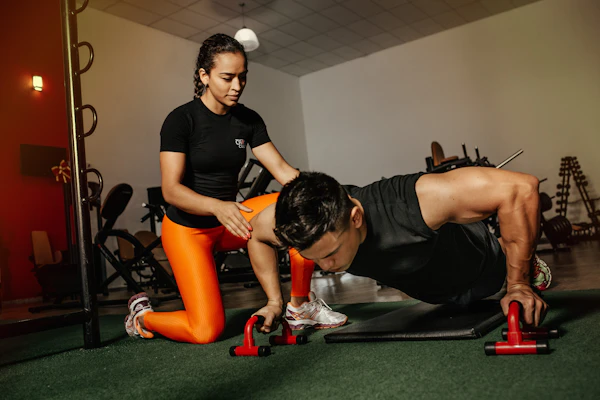
Having a qualified strength coach or bodybuilding specialist can dramatically accelerate your results. The right coach does not just write you a programme — they watch your form, adjust your technique, periodise your training intelligently, troubleshoot when progress stalls, and keep you accountable to your goals.
When searching for a personal trainer specialising in strength and muscle building in Dubai, look for:
- Recognised certifications: NASM-CPT, ACE-CPT, ISSA, or NSCA-CSCS. The CSCS (Certified Strength and Conditioning Specialist) is particularly relevant for strength and muscle building.
- Specialisation: A trainer who primarily works with bodybuilders, powerlifters, or physique competitors will have more relevant knowledge than a generalist — even a well-qualified one.
- Track record: Ask about their clients' results. A good bodybuilding coach should be able to show transformations, competition placings, or athlete testimonials.
- Their own training: While not essential, coaches who themselves train seriously tend to have more practical, in-the-trenches knowledge.
- Communication: Muscle building is a long game. You need a coach you can work with consistently and communicate openly with about what is and is not working.
Session Costs in Dubai
| Coach Level | Per Session (AED) | Monthly Package (AED) | Best For |
|---|---|---|---|
| Beginner/General PT | 150–250 | 1,200–2,000 | Novices, technique basics |
| Intermediate Strength Coach | 250–400 | 2,000–3,500 | Intermediate lifters, programme design |
| Elite Bodybuilding Coach | 400–600+ | 3,500–6,000+ | Competitive athletes, show prep |
| Online Coaching (programme only) | — | 500–1,500 | Self-motivated lifters |
8. Training Through Dubai's Extreme Heat
Dubai's summer is a force to be reckoned with. From June through September, outdoor temperatures regularly exceed 40°C and humidity can make it feel like 50°C+. This creates genuine physiological challenges for anyone training outdoors — but with air-conditioned gyms as the norm, most Dubai lifters can train normally year-round with smart scheduling and proper hydration.
What Heat Does to Your Body During Training
Even in an air-conditioned gym, Dubai's ambient temperatures affect your physiology in ways worth understanding:
- Core body temperature rises faster, increasing cardiovascular load during training
- Sweat rate increases significantly, even in cool gym environments
- Electrolyte (sodium, potassium, magnesium) losses are higher than in temperate climates
- Perceived exertion is higher at the same absolute intensity
- Sleep quality can be affected if your bedroom is not adequately cooled, impairing recovery
Practical Heat Adaptations for Muscle Building
- Hydrate proactively: Aim for 3–4 litres of water daily during summer, more on training days. Do not wait until you feel thirsty — that is already mild dehydration.
- Electrolytes matter: Add electrolyte supplementation (sodium, potassium, magnesium) during and after training, especially from June–September. Simple electrolyte tablets or powders work fine.
- Eat your pre-workout meal in air conditioning: Eating a large meal in the heat reduces digestion efficiency and can impair training performance.
- Cool down after training: Cold showers post-training help accelerate core temperature reduction and can improve recovery.
- Optimise sleep temperature: Keep your bedroom at 18–21°C for optimal sleep quality and recovery hormone production.
9. Muscle Building During Ramadan
For Muslim athletes observing Ramadan, the holy month presents a genuine challenge for muscle building — but it is far from insurmountable. Many competitive athletes in Dubai successfully maintain or even build muscle during Ramadan with appropriate adjustments. For a detailed guide, see our article on maintaining muscle during Ramadan fasting.
Key Adaptations for Ramadan Training
- Train close to Iftar: Sessions scheduled 60–90 minutes before breaking fast, or 2–3 hours after Iftar, tend to produce better performance than early morning training in a fasted state.
- Protein focus at Iftar and Suhoor: With fewer eating windows, concentrate protein at your main meals. Include a slow-digesting protein source (casein, Greek yoghurt, eggs) at Suhoor to mitigate overnight muscle protein breakdown.
- Reduce volume, maintain intensity: This is not the time to chase new maxes. Reduce total training volume by 20–30% but maintain lifting intensity to send a strong "keep the muscle" signal to your body.
- Creatine timing: Take creatine with your evening meal during Ramadan to maintain muscle phosphocreatine stores.
Muscle Building Nutrition Guide — Free Download
Get our comprehensive Dubai muscle building nutrition guide — calorie targets, meal timing, AED-friendly meal prep ideas, and supplement recommendations.
10. Natural Bodybuilding & Competition in Dubai
Dubai's natural bodybuilding scene has grown substantially in recent years. Multiple federations now run regular competitions across the UAE, offering categories for men and women across various body weight and age classes. See our in-depth guide to natural bodybuilding competitions in Dubai for full details on federations, show preparation, and what to expect.
Key Natural Bodybuilding Federations Active in the UAE
- INBA/PNBA (International Natural Bodybuilding Association): One of the most established natural federations globally, with UAE affiliates running regular shows.
- WNBF (World Natural Bodybuilding Federation): Well-respected natural organisation with strong drug testing protocols and UAE-based competitions.
- NABBA (National Amateur Body-Builders' Association): Long-established organisation with a UAE presence, running physique and bodybuilding categories.
Competition Categories Available
Natural bodybuilding in Dubai offers diverse competition categories to suit different physique types and goals:
- Classic Physique: A size-capped, aesthetic division emphasising proportion, symmetry, and muscularity over raw size. Popular among athletes who do not want to compete at extreme bodyweights.
- Men's Physique: Board shorts division emphasising upper body aesthetics — less muscle mass required, more focused on conditioning and appearance.
- Women's Bikini: The most popular women's division, emphasising overall shape, balance, and presentation.
- Women's Wellness/Figure: More muscular women's categories for athletes with more developed lower body musculature.
- Bodybuilding: Traditional bodybuilding, rewarding maximum muscularity and conditioning.
11. Calisthenics as a Muscle Building Alternative
Not everyone wants to spend their time in a gym. Dubai's parks, outdoor fitness stations, and beach areas make calisthenics — bodyweight strength training — an increasingly popular approach to building functional muscle mass. See our full guide on calisthenics in Dubai parks and groups for locations, communities, and programming advice.
Can you build significant muscle with calisthenics? The answer is yes — but with important caveats. Calisthenics builds impressive upper body strength, core development, and muscularity, particularly in the pushing and pulling muscle groups. However, lower body development through pure calisthenics is limited compared to barbell squatting and deadlifting, and advanced calisthenics skills (planche, front lever, human flag) require years of practice that some people would rather spend lifting weights.
Best Calisthenics Spots in Dubai
- Kite Beach: Dubai's most popular outdoor fitness area, with permanent pull-up bars, parallel bars, and a vibrant fitness community
- Zabeel Park: Well-equipped outdoor gym stations, one of the most pleasant green spaces in central Dubai
- Al Mamzar Beach Park: Quieter than Kite Beach, with good outdoor fitness equipment and beach access
- JBR Walk: Beachfront parallel bars and fitness areas popular with early morning trainers
12. Cost Breakdown: Building Muscle on Any Budget
One of Dubai's great strengths for fitness is the range of options across price points. You can pursue serious muscle building goals on a tight budget — or you can invest in a premium experience with all the coaching, facilities, and nutrition support available. Here is a realistic cost breakdown.
| Category | Budget (AED/mo) | Mid-Range (AED/mo) | Premium (AED/mo) |
|---|---|---|---|
| Gym Membership | 99–149 (GymNation) | 250–400 | 450–800 |
| Personal Training | 0 (self-directed) | 800–2,000 (4–8 sessions) | 3,000–6,000+ |
| Protein/Supplements | 150–250 | 300–500 | 600–1,200 |
| Food (muscle diet) | 1,200–1,800 | 2,000–3,000 | 3,500–6,000+ |
| Monthly Total | ~1,500–2,200 | ~3,400–5,900 | ~7,600–14,000+ |
As the table shows, you can pursue quality muscle building in Dubai for under AED 2,200 per month all-in — primarily using a GymNation membership, self-directed training, standard supermarket food for protein, and basic creatine supplementation. The biggest variable is always personal training, which is optional but significantly accelerates results.
13. Common Mistakes Dubai Lifters Make
After working with hundreds of clients building muscle in Dubai, coaches on GetFitDXB have identified patterns of common mistakes. Avoiding these will save you months of wasted effort.
Not Tracking Progress
The number one mistake is training without tracking. If you do not know how much you lifted last week, you cannot ensure you are lifting more this week. Progressive overload without tracking is guesswork. Use a notebook, an app, or even a spreadsheet — but record every session. Weight, sets, reps, and notes on how you felt.
Underestimating Protein Intake
Most people consistently underestimate how much protein they are actually eating. They think they are hitting 160g/day but a food diary reveals 90–100g. Track your food for at least 2–3 weeks to calibrate your sense of what adequate protein actually looks like.
Changing Programmes Too Frequently
Dubai's fitness culture, driven by social media and a constant stream of new workouts, tempts lifters to constantly change their programmes. Muscle building requires stimulus, adaptation, and overload — and adaptation takes time. Give any new programme at least 8–12 weeks before judging whether it is working.
Neglecting Compound Movements for Machines
Dubai's premium gyms have spectacular machine selections, and many lifters spend hours on cable stations and machines while neglecting the squat, deadlift, and bench press. Machines have their place, but the core compound lifts remain the most efficient tools for building overall muscle mass.
Insufficient Sleep in the Dubai Lifestyle
Dubai's social scene, late dining culture, and demanding work schedules create genuine sleep debt for many residents. Consistently sleeping less than 7 hours per night significantly impairs testosterone production, growth hormone secretion, and muscle protein synthesis — all of which are essential for muscle growth. If you are training hard and eating right but not growing, assess your sleep before changing anything else.
Over-relying on Supplements
Supplement marketing in Dubai is aggressive. New pre-workouts, advanced formulas, and "science-backed" products appear constantly. The fundamental truth remains: food, training, and sleep drive 95% of your results. Supplements at best add marginal gains at the edges.
14. Frequently Asked Questions
Absolutely. Dubai's heat primarily affects outdoor training and demands higher hydration, but the city's world-class air-conditioned gyms make year-round muscle building entirely achievable. Adjust session timing and nutrition accordingly and results will come.
Most beginners see noticeable changes within 8–12 weeks of consistent training and adequate nutrition. Significant muscle gain takes longer — typically 1–2 years of consistent work to build what most people would consider an impressive physique. There are no shortcuts, but Dubai's excellent coaching and facilities mean you can make progress as fast as your biology allows.
Gold's Gym, NAS Sports Complex, Revolution Gym, and Fitness First Platinum are consistently rated as the best options for serious bodybuilding. For budget lifters, GymNation offers surprisingly good free weight selections. The best gym is ultimately the one you will train at consistently — visit several before committing.
No — but a good strength coach dramatically accelerates results, reduces injury risk, and helps you avoid the months of wasted effort that self-taught lifters typically experience. If your budget allows for even 4–8 sessions to establish your technique and programme, it is an investment that pays significant dividends.
Yes — creatine monohydrate is widely available across Dubai at GNC, Nutrition Zone, Max Muscle, Amazon.ae, and most health food stores. Prices are comparable to global averages: expect to pay AED 60–120 for a month's supply of basic creatine monohydrate.
Yes. Dubai and the wider UAE host multiple bodybuilding and physique competitions throughout the year, including natural federations (INBA/PNBA, WNBF) and mainstream organisations. Check the UAE Bodybuilding and Fitness Federation (UAEBFF) calendar and local gym social media for upcoming events.
Whether you are just starting your muscle building journey or looking to take your training to the next level, Dubai offers everything you need to succeed. Use GetFitDXB to find your perfect gym, connect with an expert coach, and join a community of thousands of Dubai lifters working towards the same goals. Find a strength trainer near you, explore personal training options, or join free to get started today.