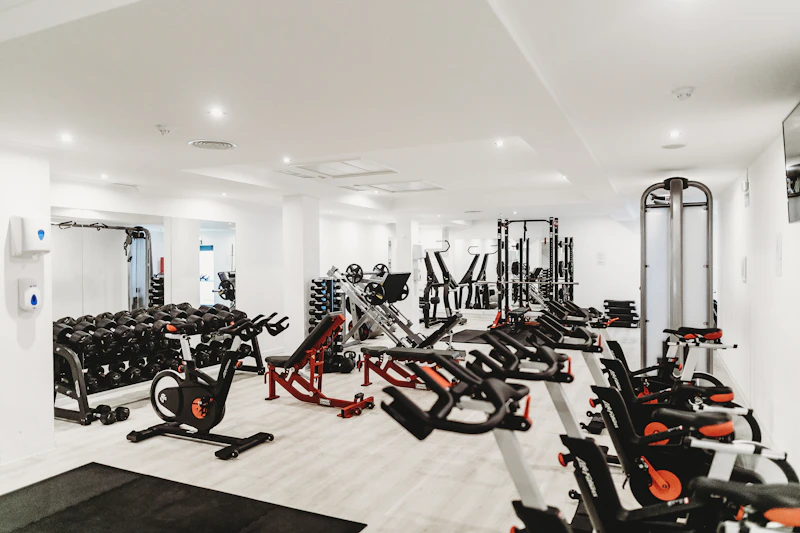
Steady state cardio—the foundation of any serious athlete's training plan—is often overshadowed by HIIT's flashy metrics and viral TikTok workouts. But for sustainable fat loss, aerobic base development, and intelligent programming in Dubai's heat, steady state remains undefeated. This guide is part of our complete cardio training guide for Dubai.
Contents
- What Is Steady State Cardio? LISS vs MISS Defined
- The Physiological Benefits of Sustained Aerobic Exercise
- Steady State Cardio in Dubai: Best Activities and Venues
- LISS vs HIIT: When to Choose Steady State
- Programming Steady State Cardio Into Your Week
- Steady State for Fat Loss and Recovery
- Frequently Asked Questions
What Is Steady State Cardio? LISS vs MISS Defined
Steady state cardio is any continuous, moderate-to-low intensity exercise sustained for 20–90 minutes at a consistent heart rate. Unlike interval training (which alternates high and low efforts), steady state maintains a relatively fixed intensity throughout.
LISS: Low-Intensity Steady State
LISS operates at 50–70% of your maximum heart rate (or roughly 60–70% of VO2 max). You should be able to hold a full conversation without gasping. Examples include easy jogging, cycling at conversational pace, or long walks. LISS is highly sustainable and can be performed daily with minimal recovery cost.
Age 30: Max HR ~190 bpm. LISS zone = 95–133 bpm
Age 40: Max HR ~180 bpm. LISS zone = 90–126 bpm
Age 50: Max HR ~170 bpm. LISS zone = 85–119 bpm
Calculate your max HR: 220 minus your age. Multiply by 0.5 and 0.7 for LISS range.
MISS: Moderate-Intensity Steady State
MISS sits at 70–85% max HR and feels "comfortably hard"—you can speak short sentences but not maintain full conversation. Lactate begins to accumulate, creating stronger aerobic adaptations than LISS. MISS typically lasts 20–45 minutes and requires 24–48 hours recovery before repeating.
The Physiological Benefits of Sustained Aerobic Exercise
Steady state cardio triggers profound adaptations across multiple systems:
Aerobic Capacity and Mitochondrial Function
Sustained effort at moderate intensity increases mitochondrial density in muscle cells and improves fat oxidation (your ability to burn fat as fuel). This adaptation is dose-dependent—more volume yields greater gains. Unlike HIIT (which favours carbohydrate metabolism), steady state preferentially trains your fat-burning machinery.
Cardiac Efficiency
Regular steady state training increases stroke volume (the amount of blood pumped per heartbeat), reducing resting heart rate and improving cardiovascular economy. Elite endurance athletes may achieve resting rates of 40–50 bpm due to chronic steady state exposure.
Fat Loss and Body Composition
Steady state burns a high proportion of calories from fat (versus carbohydrate), especially in a fasted or low-glycogen state. For Dubai athletes managing heat stress and training volume, steady state provides efficient calorie deficit without the CNS fatigue of HIIT.
Recovery and Parasympathetic Activation
Easy LISS (performed at conversational pace) activates your parasympathetic nervous system, promoting recovery and stress reduction. In Dubai's high-stress urban environment, this mental health benefit is underrated.
Steady State Cardio in Dubai: Best Activities and Venues
Dubai's geography offers world-class venues for steady state training. Heat management is critical—train early morning (5–7 am) or evening (6–8 pm) to avoid midday UV and temperature peaks.
Running in Dubai
Al Qusais Stadium (Track) offers a climate-controlled 400m track perfect for LISS and MISS pacing. Cost: AED 30–50 per session. Popular with local running clubs and offers structured group sessions.
Dubai Creek Park features 10+ km of shaded paths ideal for early morning or evening runs. The terrain is flat, making it beginner-friendly. Parking is easy; facilities include water stations.
JBR Beach and Jumeirah Beach Park attract runners for beach running (higher muscle engagement) and the psychological benefit of oceanside training. Best November–April; summer sessions require dawn starts.
Cycling Routes
Dubai's expanding cycle network includes the Cycle Tracks of Sheikh Zayed Road and Zabeel Park, offering safe, flat terrain. Distance rides (40–90 km) provide excellent base-building steady state sessions. Local cycling groups meet weekends; beginner-friendly clubs include Dubai Cycling Club and Emirati Cyclists.
Swimming
Outdoor swimming in the Arabian Gulf (November–April) provides low-impact steady state. Kite Beach, Al Mamzar Beach, and public pools offer temperature-controlled alternatives year-round. Open water swimming adds mental toughness; start with guided sessions to learn safety protocols.
Even "easy" effort in Dubai summer heat (May–September, 40–48°C) elevates core temperature dangerously. If training midday is unavoidable:
- Reduce intensity by 10–15% compared to cool-weather benchmarks
- Increase hydration by 25–50%—drink 500–750 ml per hour (not all at once)
- Wear light-coloured, moisture-wicking kit; apply sunscreen every 60 mins
- Abandon the session if experiencing dizziness, nausea, or excessive fatigue
Rowing and Water Sports
Dubai's marinas host rowing clubs and stand-up paddleboard (SUP) groups offering full-body steady state. Low-impact on joints; excellent for cross-training alongside weight training.
LISS vs HIIT: When to Choose Steady State
Both modalities improve aerobic fitness and burn calories. The choice depends on your goals, schedule, and recovery capacity.
| Factor | LISS Steady State | HIIT |
|---|---|---|
| Duration | 30–90 mins | 15–30 mins |
| Frequency | Daily (LISS) or 2–3x/wk (MISS) | 2–3x per week max |
| Fat Oxidation | High (primary fuel) | Moderate (carb-dominant) |
| CNS Fatigue | Low | High (limits frequency) |
| Muscle Preservation | Excellent (especially with adequate protein) | Good if programmed with resistance |
| Calorie Burn (per session) | 300–700 kcal (volume-dependent) | 200–400 kcal + afterburn |
| Beginner-Friendly | Yes | Requires fitness base |
Choose LISS/MISS steady state if: You're building aerobic base, managing high training volume (strength + sport-specific work), prioritizing fat loss without muscle loss, or recovering from injury. LISS is also superior for athletes with high stress or poor sleep—it restores parasympathetic tone rather than amplifying CNS demand.
Choose HIIT if: You have limited time, need rapid VO2 max improvements, or want metabolic afterburn. HIIT works best 2–3x weekly as a complement to steady state, not as a replacement.
Programming Steady State Cardio Into Your Week
Effective programming balances volume, intensity, and recovery. Here's a science-backed framework:
Beginner Base-Building Phase (Weeks 1–8)
Goal: Establish aerobic foundation without overuse injury.
- Monday: LISS 20 min (conversational pace)
- Wednesday: LISS 25 min
- Friday: LISS 20 min
- Sunday: LISS 30–40 min (longer, easy session)
- Total weekly volume: 95–115 minutes LISS
Key rule: Don't increase weekly volume by more than 10% per week. This prevents overuse injuries (shin splints, IT band syndrome, stress fractures—common in Dubai runners unfamiliar with climate stress).
Intermediate Aerobic Development (Weeks 9–16)
Goal: Introduce MISS stimulus while maintaining base volume.
- Monday: LISS 20 min
- Tuesday: MISS 25 min (comfortably hard effort)
- Thursday: LISS 25 min
- Saturday: LISS 40 min (zone 2 focus, conversational)
- Total weekly volume: 110 minutes (70% LISS, 30% MISS)
During LISS, you should easily sing a song. During MISS, you can speak sentences but not paragraphs. If you can't finish a sentence without gasping, you're above MISS intensity. This qualitative approach requires no heart rate monitor.
Advanced Periodization (Weeks 17+)
Goal: Maximize aerobic adaptations while recovering from strength work.
- Monday: Strength focus (no cardio) + 10 min easy cool-down walk
- Tuesday: LISS 20 min (recovery)
- Wednesday: Strength focus + 10 min walk
- Thursday: MISS 30 min (tempo or threshold work)
- Friday: Rest or LISS 15 min
- Saturday: Long LISS 60–90 min
- Sunday: Rest
- Total weekly volume: 125–155 minutes
Need a Personalised Cardio Plan?
Our certified trainers design steady state programmes tailored to your fitness level, goals, and Dubai venue preferences.
Steady State for Fat Loss and Recovery
Steady State and Fat Loss: The Mechanism
Sustained aerobic exercise at 50–75% max HR preferentially oxidizes fat because intensity is low enough for your aerobic system to extract energy from fat stores without switching to carbohydrate-dependent glycolysis. This is called the "aerobic threshold" or Zone 2 training.
For Dubai residents: Fasted LISS (training before breakfast with only water or black coffee) amplifies fat oxidation. Research shows 15–30% greater fat mobilization when glycogen stores are depleted. However, start fasted sessions at 20–30 min (not 60+ min) to acclimate and avoid dizziness.
Combining Steady State with Strength Training
The optimal fat loss formula pairs steady state with progressive resistance training:
- Strength work (3–4x/week) preserves muscle mass during calorie deficit
- Steady state cardio (4–5x/week, mostly LISS) creates calorie deficit without excessive CNS fatigue
- Nutrition: Protein-first eating plan (1.6–2.2 g/kg bodyweight) prevents muscle loss
This approach yields 0.5–1 kg fat loss per week sustainably—faster is unsustainable and risks muscle loss.
Steady State for Active Recovery
LISS at 50–60% max HR (truly easy effort) accelerates recovery from hard strength sessions by increasing blood flow without metabolic demand. Most Dubai athletes underrate LISS's recovery value—treating cardio as "extra punishment" rather than strategic recovery tool.
Example recovery day: 20–30 min easy walk or bike ride post-strength session or next morning. Heart rate should stay below 130 bpm (adjust for your age). This feels "effortless" and should leave you energized, not fatigued.
Frequently Asked Questions
1. Can I do steady state cardio every day in Dubai?
Yes—but only LISS (low-intensity). MISS should be 2–3 times weekly. Doing MISS daily causes overtraining, elevated resting heart rate, disrupted sleep, and immune suppression. Dubai's heat increases cardiovascular stress, so if training daily, keep intensity conversational and hydrate aggressively.
2. What's the difference between LISS and MISS?
LISS is 50–70% max HR (conversational pace); MISS is 70–85% max HR (comfortably hard). LISS is sustainable daily; MISS requires recovery days. LISS burns more fat; MISS creates stronger aerobic adaptations. Both are steady state (constant pace, no intervals).
3. Should I do steady state on an empty stomach?
Fasted LISS (20–40 min, early morning) is safe and increases fat oxidation. Longer fasted sessions (60+ min) risk bonking (hitting the wall) and should only be done with training experience. Always hydrate with water; avoid zero-calorie electrolytes in fasted state.
4. How long does it take to build aerobic base?
Measurable improvements (lower heart rate at same pace) appear in 4–6 weeks. Significant adaptations (increased VO2 max, improved lactate clearance) take 12–16 weeks. Consistency matters more than intensity—8 weeks of steady LISS beats sporadic intense efforts.
5. Is steady state cardio bad for muscle?
Moderate steady state (3–5 hours per week) paired with adequate protein (1.6+ g/kg) doesn't harm muscle. Excessive volume (10+ hours weekly) combined with low protein causes muscle loss. Time protein intake post-cardio to mitigate any breakdown.