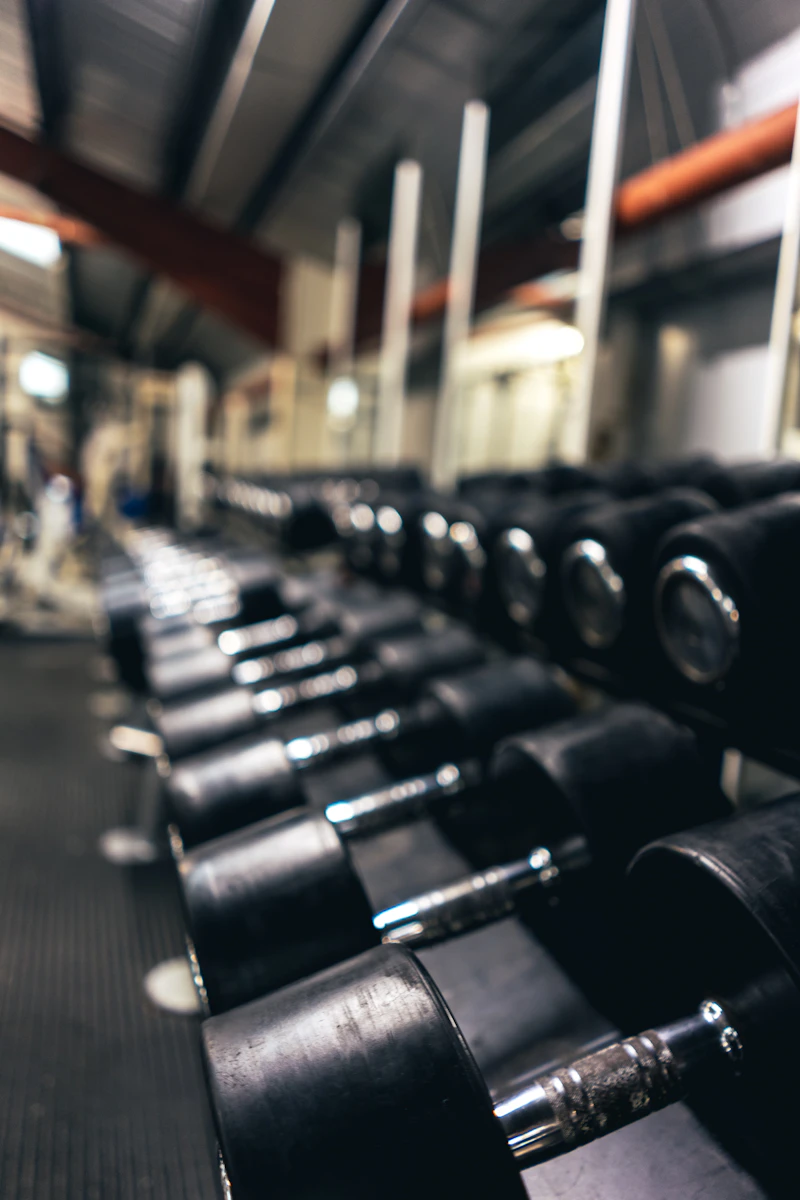
Teenagers can safely transform their fitness, build strength, and establish lifelong healthy habits—but only with the right programme, qualified guidance, and an understanding of adolescent physiology. This guide is part of our complete youth athlete training guide for Dubai, and covers everything parents and teen athletes in Dubai need to know about starting a safe, effective fitness journey.
Quick Navigation
Is It Safe for Teenagers to Train in Dubai's Gyms?
Yes—with proper supervision and age-appropriate guidance. Most major Dubai gyms admit teens aged 16+, though some facilities welcome younger adolescents (14+) with parental consent and structured programming. The key is finding a facility that enforces safety standards and employs qualified youth-focused coaches.
Dubai's primary gym policies: Fitness First and GymNation accept members from 16 years old in most locations. Gold's Gym Dubai allows 16+ membership with parental consent. JustFit, a budget-friendly chain popular with younger athletes, permits supervised teen access from age 14 with written parental consent. Premier facilities like The Rec Club (DIFC) and Hilton Dubai Creek Harbour offer supervised teen programming from age 13.
Beyond commercial gyms, Dubai's sports halls and specialist facilities provide excellent entry points. GEMS (Global Education Management Systems) runs 15 sports halls across Dubai neighbourhoods—each with strength and conditioning areas specifically designed for school-age athletes. The Al Wasl Sports Club in Satwa has dedicated youth training zones. Dubai Sports City itself hosts multiple academies with professional youth coaches across football, cricket, swimming, and athletics.
The Dubai Municipality enforces safety standards through its sports facility licensing framework. All facilities offering strength training to under-18s must have qualified supervisors on site, insurance covering youth training, and documented induction procedures. When choosing a gym for your teen, always verify these credentials.
School-affiliated facilities often provide the safest entry point. Most Dubai schools partner with external strength coaches (JESS, Repton, GEMS all employ certified professionals) who deliver structured on-campus programmes during PE lessons and after-school sessions. These programmes typically cost AED 150–250 per session and align with the school calendar.
- Minimum age: 14-16 years (facility dependent)
- Parental consent form required
- Induction/orientation session mandatory
- Qualified supervisor present during youth training
- Liability insurance coverage for under-18s
- Access to foam rolling/recovery tools
Understanding Teenage Physiology: Why It Shapes Training
Adolescent bodies are not simply "smaller adult bodies." Teenagers experience unique physiological changes that directly impact training tolerance, recovery capacity, and safe loading limits. Understanding these windows shapes the difference between transformative training and injury risk.
Peak Height Velocity (PHV): This is the period of fastest linear growth during puberty. For boys, PHV typically occurs between ages 12–14 (range 11–16). For girls, it occurs earlier, between ages 10–12 (range 8–14). During PHV, growth plates are maximally stressed as bones lengthen faster than muscles can adapt. Paradoxically, strength training during this window is extremely safe—studies show injury rates are 2-3× lower in supervised teen strength athletes than untrained peers. However, exercise selection and loading must be conservative.
Muscle development timeline: Muscle cross-sectional area increases steadily from age 13 onward, with boys experiencing exponential growth post-puberty (ages 14-18). Muscle protein synthesis rates in teenage athletes mirror adult rates when nutrition is adequate. However, neural adaptations (the brain's ability to recruit muscle fibres) develop more slowly in adolescence. This means teenage athletes can build strength through movement quality and technical proficiency long before heavy loading becomes necessary.
Coordination and motor control development: Fine motor control and balance are still developing in early teens (13-15). Teenage athletes often appear clumsy not because they lack potential, but because their nervous system is reorganising around a rapidly changing body size. This window is ideal for establishing foundational movement patterns: proper squat mechanics, deadlift hip hinge, pressing alignment, and stability drills. Mastering these before adding load creates durable injury-resistant movement patterns.
Hormonal changes and training response: Testosterone and growth hormone surge during puberty, enhancing strength development and recovery. However, cortisol (stress hormone) also rises in adolescents—meaning overtraining stress accumulates faster in teens than adults. The practical implication: periodised rest weeks and active recovery days are non-negotiable for teen athletes, not optional add-ons.
Individual variation: Maturation timing varies widely. A 15-year-old boy might be mid-puberty or fully post-puberty; a 14-year-old girl might be years past peak height velocity. This is why standardised "age-based" programmes fail. The best teen training uses maturation status (assessed visually or through questionnaires) rather than calendar age to determine appropriate loading and exercise complexity.
Ask your teen's coach or a Dubai-based sports physiotherapist to assess maturation status. Is your teen in early puberty, mid-puberty, or post-puberty? Training recommendations (rep ranges, loads, volume) should align with this stage, not calendar age.
A Safe Teen Fitness Programme: The Beginner Framework
A properly designed teen programme prioritises movement quality and foundational strength over maximising muscle or load. Here's the framework used by leading youth sports academies in Dubai and recommended by the NSCA (National Strength and Conditioning Association).
Programme structure (first 8-12 weeks): Three sessions per week, full-body each session, 45-50 minutes total. This frequency allows adequate recovery between sessions while building consistent habit and neural adaptation. Most importantly, it's sustainable for a busy school schedule—no adolescent should sacrifice academic performance or sleep for training.
Exercise selection: Bodyweight-dominant for the first 6-8 weeks. Sessions include: push-ups (various angles), squats, lunges, reverse lunges, step-ups, rows (using resistance bands or assisted pullup machines), planks (front, side), dead bugs, glute bridges, and mobility drills. Single-limb variations (split squats, single-leg deadlifts, staggered-stance presses) appear early to address muscle imbalances and build stability.
Loaded variations are introduced gradually: goblet squats (5-8kg dumbbell) in week 4-6, trap bar deadlifts (starting with the empty bar), dumbbell chest presses (2-4kg per hand). The progression rule is strict: only add load when the teen demonstrates perfect 10+ rep bodyweight execution without compensation.
Rep ranges and intensity: 8-15 repetitions per set for the first 3-4 months. Rest-Pause-Exertion (RPE) scale—not percentage of 1RM—should guide intensity. RPE 5-7 (effort that leaves 3-5 reps "in the tank") is appropriate. This builds capacity without crushing the nervous system. Avoid testing 1RM in teenagers under any circumstance.
Warm-up and cool-down: Non-negotiable. 10 minutes dynamic warm-up (arm circles, leg swings, inchworms, bodyweight squats, jumping jacks) precedes every session. Five-minute cool-down includes light walking and 3-4 minutes gentle stretching. Warm-up is not a luxury for adolescents—it is essential preparation for movement quality and injury prevention.
Recovery between sessions: Minimum 48 hours between resistance training days. Active recovery (walking, cycling, gentle swimming) on off-days is beneficial but optional. Sleep (8-10 hours per night) and nutrition (adequate protein, whole carbohydrates) are foundational—they cannot be compensated for by any training method.
Connect with a Youth Fitness Coach Today
Find a certified youth fitness professional in Dubai who specialises in safe teen training. Our marketplace connects you with vetted coaches experienced in adolescent programming.
Dubai Gyms & Facilities That Welcome Teens
Finding the right facility is half the battle. Here are Dubai's best options for teen fitness training, by location and specialisation.
Budget-friendly chains (AED 150–300/month): JustFit (20+ locations across Dubai, accepts 14+ with parental consent, clean equipment, good strength training area). GymNation (Dubai Marina, Business Bay, DIFC—16+ only, excellent free-weights section, professional atmosphere). These chains are ideal for independent teens (16+) wanting unsupervised gym access with occasional personal training.
Premium full-service gyms (AED 350–700/month): Fitness First (20+ locations, 16+ membership, classes, swimming, junior programmes with qualified coaches). Gold's Gym (Dubai Marina, Business Bay, Jebel Ali—16+, excellent PT staff, many certified in youth coaching). These facilities offer structured youth programming, group classes, and on-site physiotherapy.
Specialist youth academies (AED 250–500 per session): Dubai Sports City (multiple facilities: football academy, cricket academy, swimming centre—all with dedicated youth strength rooms and certified coaches). Sports City is ideal for school-age athletes already competing in organised sport. Coaching quality is consistently high. Al Wasl Sports Club (Satwa, AED 200–350/session) operates dedicated teen programmes with former national coaches.
School-based programmes (AED 150–250 per session): Most Dubai schools (JESS, Repton, GEMS, DNIS, Ranches) employ or partner with certified strength coaches. These deliver structured, curriculum-aligned youth training during PE or after-school blocks. Coaching is supervised and age-appropriate. Costs are significantly lower than commercial gyms.
Hybrid options (gym + PT): Book a commercial gym membership (GymNation, Fitness First) and hire a certified personal trainer for 2–3 sessions weekly (AED 250–400/session). This approach combines affordable facility access with expert programming. Many Dubai trainers specialise in teen development (look for CSCS, UKSCA, or BASES certifications).
| Option | Cost (monthly) | Best For |
|---|---|---|
| Budget gym chain (JustFit) | AED 150–250 | Independent 16+ teens, unsupervised access |
| Mid-tier gym (GymNation, Fitness First) | AED 300–500 | Teen + 1–2 monthly PT sessions |
| Personal trainer (per session) | AED 250–400 | Structured programming, expert guidance |
| Sports City academy (per session) | AED 250–400 | Sport-specific training, group classes |
| School-based coaching (per session) | AED 150–250 | Curriculum integration, peer training |
Common Mistakes Parents Make with Teen Fitness Training
Even well-intentioned parents often unknowingly sabotage their teen's training progress. Here are the most frequent missteps and how to avoid them.
Mistake 1: Early specialisation. Encouraging a 14-year-old to focus exclusively on one sport (football, swimming, basketball) before age 16 increases overuse injury risk by 40–50%, according to orthopaedic research. The safest approach: multi-sport participation or varied training (mixing strength, aerobic work, and skill development) until age 16+. Only then should focused specialisation begin.
Mistake 2: "Too much too soon" loading. Parents push teens to lift heavy weights before movement quality is established. A classic scenario: a 15-year-old starts with a personal trainer and immediately does 20kg barbell squats with poor depth and knee valgus. Result: strain, negative experience, injury risk. Instead, invest 8-12 weeks in bodyweight mastery before introducing load. This is not wasted time—it is essential preparation.
Mistake 3: Ignoring recovery and rest. Parents view rest days as "wasted" and push teens to train 5–7 days weekly. Teenage athletes require 48 hours between intense resistance training sessions and 8–10 hours sleep nightly. Inadequate recovery triggers elevated cortisol, hormonal disruption, reduced growth hormone secretion, and injury. More training without recovery is always counterproductive.
Mistake 4: Comparing to other kids. "Why isn't my 16-year-old as strong as his mate?" often reflects maturation differences, not effort or potential. Comparing teen progress creates psychological pressure, reduces intrinsic motivation, and increases injury risk (pushing through pain to keep pace with peers). Instead, track individual progress week-to-week and celebrate effort over outcomes.
Mistake 5: Nutrition neglect. Many parents fund gym memberships but provide inadequate protein, calories, or micronutrients. A teen strength-training 3×/week requires: 1.6–2.0g protein per kg bodyweight daily, adequate carbohydrates (5–7g/kg for moderate activity), iron, zinc, and calcium (critical for bone development). Poor nutrition sabotages strength gains and increases stress fracture risk. Invest in nutrition as much as coaching.
Mistake 6: No qualified supervision. Hiring a generic "gym instructor" rather than a certified youth specialist is a major risk. Look for certifications: NSCA-CSCS (Certified Strength and Conditioning Specialist), UKSCA (UK Strength and Conditioning Association), ASCA (Australian Strength and Conditioning Association), or BASES (British Association of Sport and Exercise Sciences). These require formal education in youth physiology and programming.
If a coach or facility does any of these, find someone else:
- Tests 1-rep max or maximal loads with under-17s
- Programs identical sessions for 13-year-olds and 18-year-olds
- Pushes training volume (frequency/duration) over movement quality
- Lacks certifications in youth strength development
- Doesn't assess movement or screen for asymmetries
- Dismisses injury concerns as "soreness"
Getting Started: First Steps for Teen Athletes in Dubai
Ready to begin? Here's the action plan parents and teens should follow when starting a fitness journey in Dubai.
Step 1: Medical clearance. If your teen has any history of injury, cardiac concerns, or joint pain, visit a Dubai-based sports medicine doctor (available at most major private clinics: American Hospital Dubai, NMC Royal Hospital, Medicana Hospital). A simple pre-participation screening takes 30 minutes and ensures safety. Cost: AED 300–500.
Step 2: Choose the right facility. Visit 2–3 options in person. Ask about: teen membership policies, induction procedures, presence of qualified coaches, equipment condition, cleanliness. Trust your instinct. If the facility feels disorganised or the staff are dismissive of safety questions, don't enroll.
Step 3: Hire a certified coach (first 12 weeks). Even one session per week with a qualified youth specialist is invaluable. They assess movement quality, teach proper exercise execution, and build a foundational programme. This investment (AED 250–400/session, 4 sessions total) prevents months of ineffective or risky training. Look for coaches with NSCA-CSCS, UKSCA, or similar certifications. GetFitDXB's trainer marketplace allows filtering by specialisation—search "youth strength" or "teen training."
Step 4: Establish realistic expectations. Visible strength gains appear within 2–3 weeks (neural adaptation). Visible muscle building takes 6–8 weeks with consistent nutrition. Long-term body composition changes take 12+ weeks. Create a timeline and celebrate progress—not just outcomes. Logging workouts (weights, reps, RPE) is motivating and informs progression.
Step 5: Build in accountability and community. Teens are 3–5× more likely to stick with training when they have peer support. Group classes, training partners, or a coach-led team environment dramatically improves adherence. This is also why the "gym partner" approach is so effective in Dubai—teens train better with a friend.
Step 6: Monitor for warning signs. Contact pain (sharp, localized, worsens with training), persistent swelling, or asymmetrical weakness warrant immediate stop-training and medical consultation. Delayed onset muscle soreness (mild discomfort 24–48 hours after training) is normal. Pain during or immediately after exercise is not.
For continued guidance, refer back to our complete youth athlete training guide, which covers nutrition, injury prevention, sport-specific conditioning, and recovery strategies in depth. You'll also find curated resources in our Dubai fitness starter guide.
Expert Guidance One Message Away
Questions about your teen's training, nutrition, or progress? Contact our team for personalised advice. We connect parents and young athletes with certified professionals who specialise in safe, effective development.
Conclusion: Safe, Sustainable Teen Fitness in Dubai
Teen fitness training is not dangerous—it is protective. Adolescents who strength train under qualified supervision are stronger, more resilient, more confident, and less prone to sports injury. The requirement is simple: choose facilities that enforce safety, hire coaches certified in youth development, match programming to individual maturation status, and prioritise movement quality over load or ego.
Dubai offers excellent options for teen fitness across all budgets and locations. School-based programmes provide the most accessible entry point. Commercial gyms offer flexibility and equipment access. Specialist academies at Sports City deliver expert coaching. Regardless of pathway, the foundation is the same: expert guidance, age-appropriate programming, and consistency.
Your teen's fitness journey is an investment in lifelong health, academic performance (exercise boosts focus and memory), mental health (strength training reduces anxiety and depression in teens), and resilience. Start today. Return to our youth athlete training guide for the complete picture of teen development in Dubai's climate and culture. And don't hesitate to reach out if you have questions—our community of coaches and specialists is here to help.