
Gyms Blog Packages Trainers About
Understanding Chest Anatomy
Building a bigger, stronger chest starts with understanding the muscles involved. The chest isn't just one muscle it's a complex group that responds best when trained strategically. Whether you're at Dubai's top gyms or training anywhere else, knowing the anatomy will transform your results.
Pectoralis Major: The Main Chest Muscle
The pectoralis major is the large, fan-shaped muscle that forms the bulk of your chest. It has three main regions:
- Upper Chest (Clavicular Head): Responds best to incline pressing angles. This is the area many lifters neglect, creating an unbalanced physique. Training your upper chest requires deliberate focus with incline barbell presses, incline dumbbell presses, and low-to-high cable flyes.
- Middle Chest (Sternal Head): The largest portion of the pectoralis major. This region is targeted by flat bench pressing movements and mid-range cable exercises. Most compound pressing movements emphasize this area.
- Lower Chest (Costal Head): Worked effectively with decline pressing angles and high-to-low cable flyes. Many lifters underestimate the importance of lower chest development for complete aesthetics.
Pectoralis Minor & Serratus Anterior
While smaller than the pectoralis major, these muscles play crucial supporting roles. The pectoralis minor lies beneath the major and aids in shoulder stability. The serratus anterior, running along your ribs, assists in pushing movements and contributes to the "complete" chest look when developed properly.
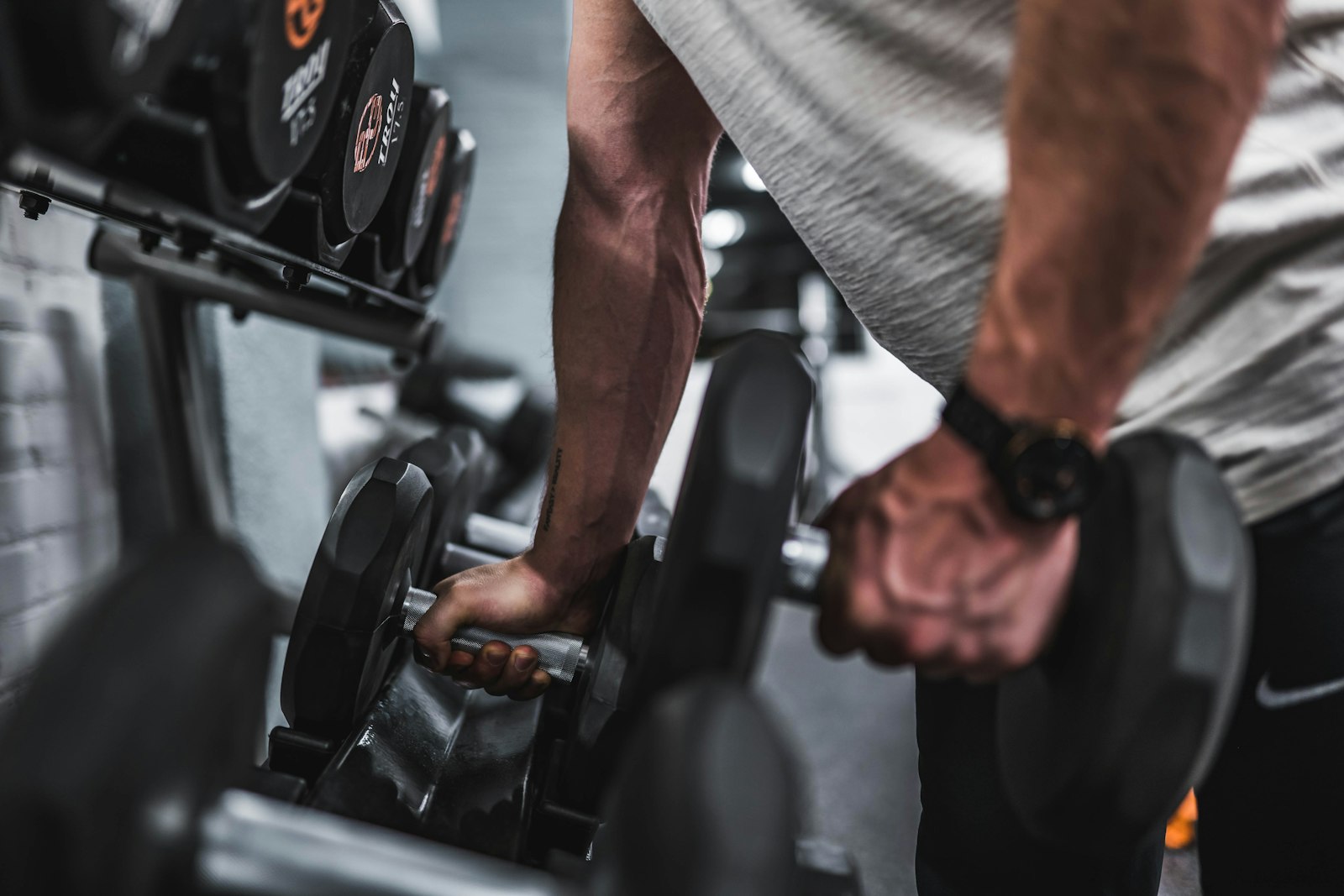
The chest anatomy is more complex than most lifters realize, with distinct upper, middle, and lower regions requiring different training angles.
Best Chest Exercises Explained
Not all chest exercises are created equal. Some build mass, others build strength, and some do both. Here's the complete breakdown of the most effective chest exercises for Dubai gym-goers.
Barbell Bench Press Variations
The barbell bench press is the king of chest exercises. It allows you to load heavy weight while training the chest effectively. Three angles dominate chest training:
- Flat Barbell Bench Press: The classic chest builder. Set the bench parallel to the ground and press the bar to full arm extension. Most of your chest mass comes from mastering this movement with progressive overload.
- Incline Barbell Bench Press: Set the bench to 30-45 degrees. This angle shifts emphasis to your upper chest and front shoulders. Essential for balanced chest development. Most commercial gyms in Dubai have adjustable benches for this variation.
- Decline Barbell Bench Press: Reduces shoulder involvement and emphasizes the lower chest. Less common in modern training but effective for complete lower chest development. Fewer gyms have decline benches, but Gold's Gym and Fitness First usually stock them.
Dumbbell Press Variations
Dumbbells offer a greater range of motion than barbells and allow unilateral training (one side at a time). This addresses strength imbalances and provides a different stimulus than barbell pressing.
- Flat Dumbbell Press: Allows a deeper stretch at the bottom than barbell pressing. This increased range of motion triggers more muscle growth. Most lifters can access this at any Dubai gym with dumbbells.
- Incline Dumbbell Press: Targets upper chest with an even greater range than the barbell incline. Excellent for building shoulder stability alongside chest mass.
- Neutral Grip Dumbbell Press: Performed with palms facing each other. Reduces shoulder stress while maintaining chest activation. Great for those with shoulder issues.
For detailed guidance on dumbbell training, check out our comprehensive dumbbell training guide which covers proper form and progression strategies.
Cable Chest Exercises
Cables maintain constant tension throughout the movement and offer unique angles impossible with free weights. They're less fatiguing to your nervous system but still provide excellent muscle stimulation.
- Cable Chest Fly: Stand in the middle of the cable machine with handles set at shoulder height. Pull both handles together in a controlled arc. This isolates the chest pectorals effectively.
- High-to-Low Cable Crossover: Targets the lower chest by starting high and pulling diagonally downward. One of the best exercises for lower chest definition.
- Low-to-High Cable Crossover: Emphasizes the upper chest. Start at waist height and pull diagonally upward. Excellent for complete upper chest development.
Learn more about cable training techniques in our complete cable machine workout guide.
Machine Chest Press & Pec Deck
Machines provide stability and allow for safer training when fatigued. They're particularly valuable for beginners or when training for higher rep ranges.
- Machine Chest Press: Safer than free weights while still providing excellent chest stimulation. Use full range of motion for maximum results. Adjust the seat so handles align with mid-chest.
- Pec Deck Machine: A pure isolation exercise for the chest. Sit upright, grab the handles, and pull them together. Excellent for higher rep ranges (12-15 reps) and as a finishing exercise.
Push-Up Variations
Push-ups are underrated for building chest mass. With proper form and progression, they rival dumbbells and barbells for hypertrophy.
- Standard Push-Up: Classic movement. Full range of motion, bodyweight resistance. Progress by adding weight with a vest or chain.
- Wide-Grip Push-Up: Wider hand placement emphasizes chest over triceps. Better for pure chest development.
- Diamond Push-Up: Hands close together forming a diamond shape. Shifts work toward triceps but maintains chest involvement.
- Incline Push-Up: Hands elevated on a bench. Reduces difficulty and allows bodyweight training for beginners.
- Archer Push-Up: Shift weight side to side. One arm does most of the work while the other assists. Advanced unilateral training.
Chest Dips
Dips are one of the most effective chest exercises when performed with proper form. Lean forward during dips to emphasize the chest. This single cueing difference separates chest-focused dips from triceps-focused dips.
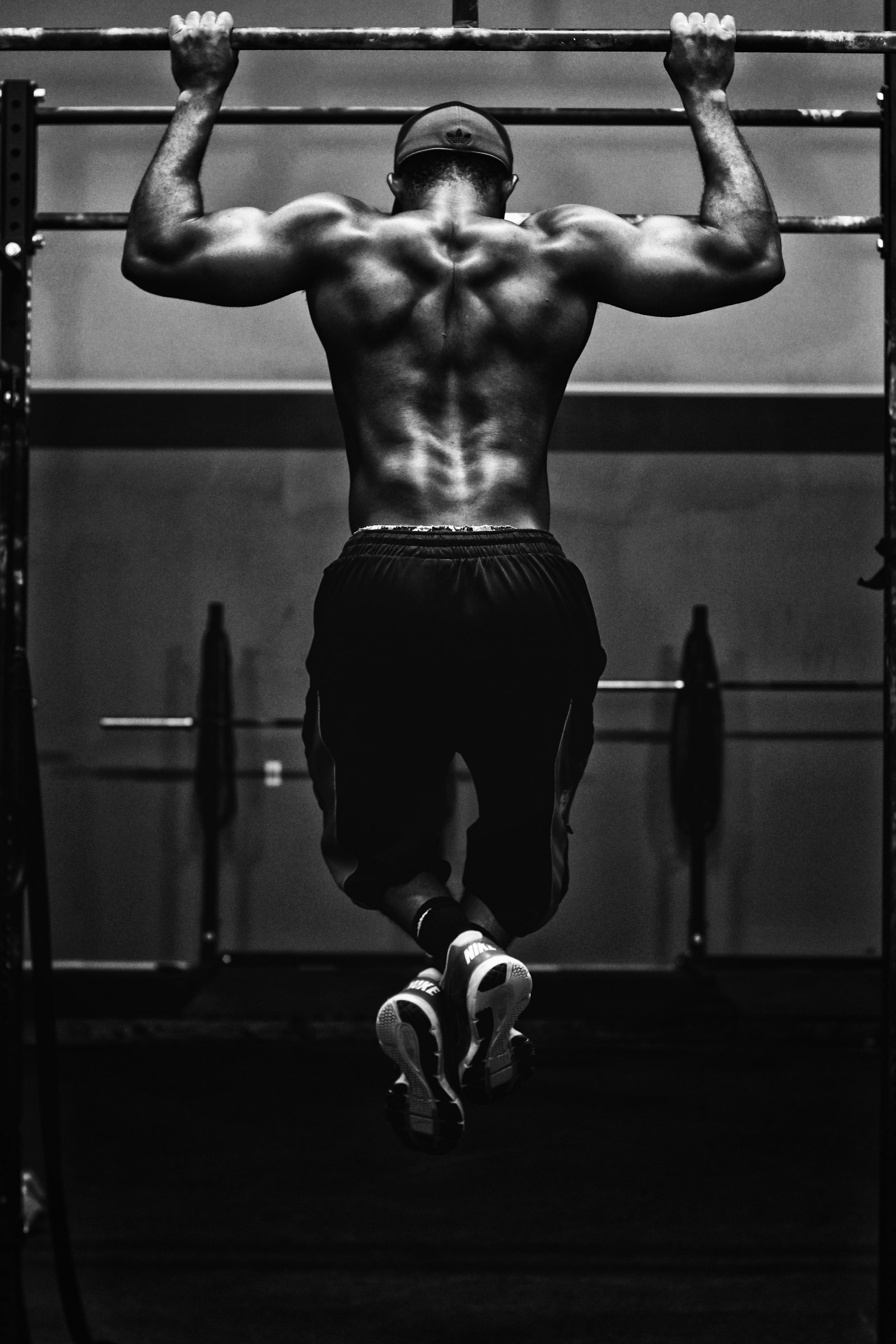
Lean forward during dips to maximize chest activation and minimize triceps involvement.
Your chest responds best to a mix of pressing (barbells, dumbbells, machines) and isolation (cables, machines, flyes) movements. Don't neglect upper chest work this is where most lifters fall short and end up with unbalanced development.
Sample Chest Workout Programs
Here are proven chest workout templates for different experience levels. Adjust based on your current strength and available equipment at your Dubai gym.
Beginner Chest Workout (3x per week)
Focus on learning movement patterns and building a foundation. Use moderate weight and perfect your form:
- Barbell Bench Press (Flat): 3 sets × 8-12 reps
- Incline Dumbbell Press: 3 sets × 8-12 reps
- Machine Chest Press: 3 sets × 10-12 reps
- Cable Chest Fly: 2 sets × 12-15 reps
- Push-Ups: 2 sets × max reps (bodyweight)
Rest 90 seconds between compound sets, 60 seconds for isolation exercises. This provides enough volume to build muscle while keeping you fresh enough to maintain form.
Intermediate Chest Workout (4x per week)
Two dedicated chest days plus chest involvement in push and upper body sessions:
Day 1 - Heavy Chest (Strength Focus):
- Barbell Bench Press: 4 sets × 6-8 reps (rest 2-3 min)
- Incline Barbell Bench Press: 3 sets × 8-10 reps
- Dumbbell Flye: 3 sets × 10-12 reps
- Push-Up Variation: 2 sets × 8-12 reps (weighted if possible)
Day 2 - Volume Chest (Hypertrophy Focus):
- Incline Dumbbell Press: 4 sets × 8-10 reps
- Flat Barbell Bench Press: 3 sets × 10-12 reps
- High-to-Low Cable Crossover: 3 sets × 12-15 reps
- Machine Pec Deck: 3 sets × 12-15 reps
- Chest Dips: 2 sets × 8-12 reps (weighted if possible)
Advanced Chest Workout (5x per week)
For experienced lifters using multiple dedicated chest sessions plus accessory work:
Day 1 - Max Strength:
- Barbell Bench Press: 5 sets × 3-5 reps (90% intensity)
- Paused Barbell Bench Press: 3 sets × 5 reps
- Incline Dumbbell Press: 3 sets × 6-8 reps
- Dips (weighted): 3 sets × 5-8 reps
Day 2 - Upper Chest Specialization:
- Incline Barbell Bench Press: 4 sets × 6-8 reps
- Incline Dumbbell Press: 4 sets × 8-10 reps
- Low-to-High Cable Crossover: 3 sets × 10-12 reps
- Smith Machine Incline Press: 3 sets × 10-12 reps
Day 3 - Hypertrophy:
- Flat Barbell Bench Press: 4 sets × 8-10 reps
- Dumbbell Press: 4 sets × 8-10 reps
- Machine Chest Press: 3 sets × 10-12 reps
- Pec Deck: 3 sets × 12-15 reps
Additional chest work in push days and upper body sessions.
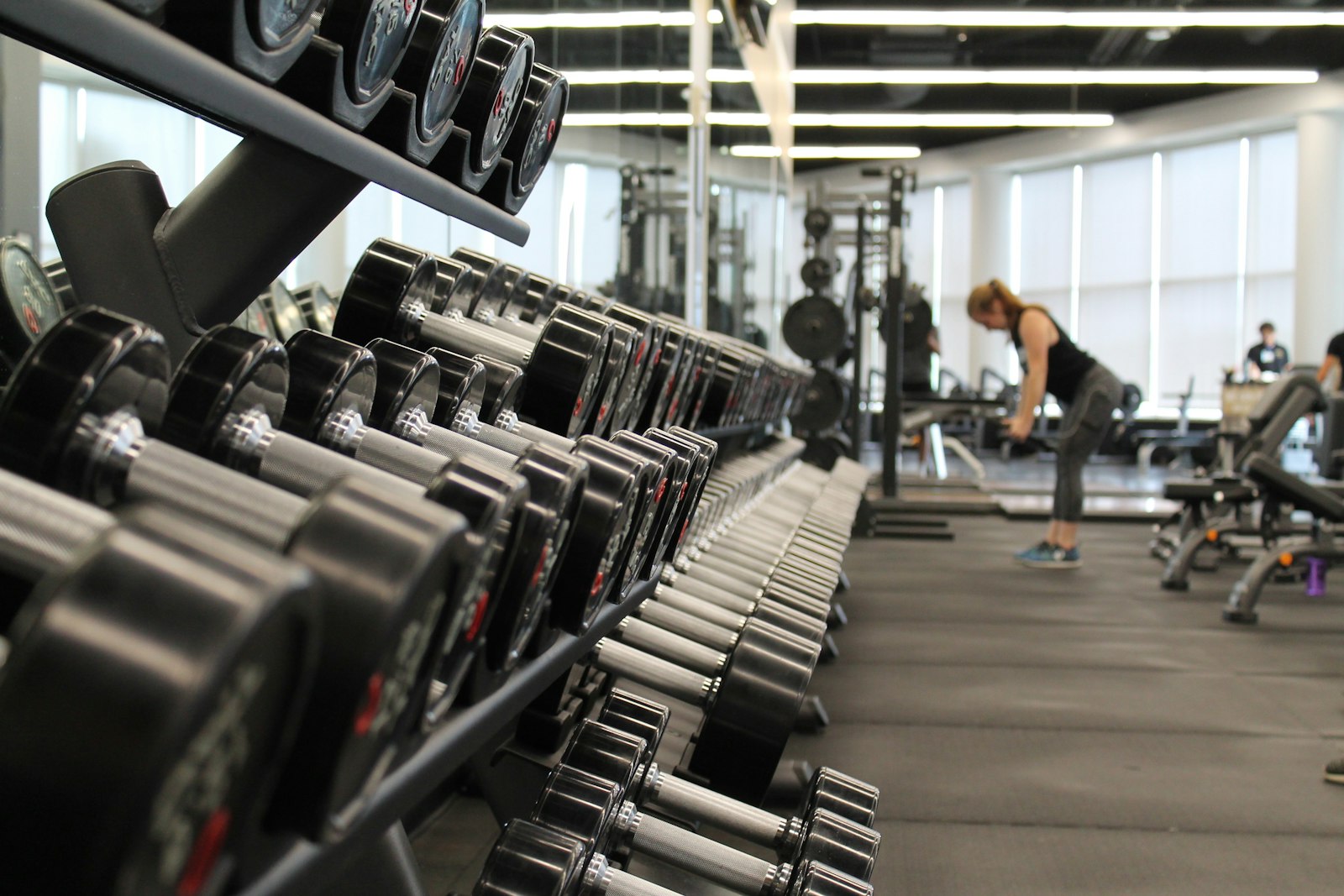
Advanced programs distribute chest work across multiple sessions to manage fatigue and maximize recovery.
Training for Mass vs Definition
The same principles apply to both, but the emphasis differs slightly based on your goals.
Building Chest Mass (Hypertrophy)
- Rep Range: 6-12 reps per set works best. Lower reps (6-8) allow heavier loading, while higher reps (10-12) provide more metabolic stress.
- Volume: 10-20 sets per week specifically for the chest. More total volume drives more muscle growth.
- Exercise Selection: Emphasize compound movements (bench press, dumbbell press, dips) for the bulk of your training.
- Rest Periods: 90-120 seconds between sets. Enough to recover, not so much that you lose the pump.
- Progressive Overload: Add weight or reps every 1-2 weeks. Consistent progression is essential.
Improving Chest Definition (Cutting/Definition)
- Rep Range: 8-15 reps. Maintain strength while creating metabolic demand.
- Volume: 12-18 sets per week for chest. Enough to maintain muscle while in a caloric deficit.
- Exercise Selection: Balance compounds with more isolation work (cables, flyes, machines). Isolation exercises create greater metabolic demand.
- Rest Periods: 60-90 seconds. Shorter rests maintain higher intensity and metabolic demand.
- Frequency: More frequent training (3-4x per week) with lower volume per session helps maintain muscle during cuts.
Progressive Overload for Chest
Progressive overload is non-negotiable for chest growth. You must consistently challenge your muscles with increasing demands.
Methods of Progressive Overload
- Add Weight: The most straightforward method. Add 2.5-5kg to the bar every 1-2 weeks. This is the primary driver of strength and muscle growth.
- Add Reps: If you can't add weight, add reps. When you hit 12-15 reps comfortably, increase the weight next session.
- Reduce Rest Periods: Do the same weight/reps in less rest. This increases density and metabolic demand.
- Increase Range of Motion: Use a deeper stretch or fuller range. This provides new stimulus.
- Add Sets: Gradually increase from 3 to 4 to 5 sets over weeks. More volume drives more growth.
- Improve Form: Better form often means better muscle activation and allows heavier loading in future sessions.
Ready to Transform Your Chest?
Best Gyms in Dubai for Chest Training
Your training environment matters. Here are Dubai's best gyms for serious chest development, ranked by equipment and atmosphere.
| Gym | Best For | Equipment Quality |
|---|---|---|
| Fitness First | Complete strength training with multiple barbell platforms | Excellent |
| GymNation | Budget-friendly with solid barbell and dumbbell selection | Very Good |
| NAS Sports Complex | Premium facilities with personal training expertise | Excellent |
| Gold's Gym | Bodybuilding-focused with decline benches and competition atmosphere | Excellent |
Fitness First Dubai
Fitness First offers multiple locations with world-class equipment. You'll find multiple barbell platforms, a complete dumbbell range up to 100kg, adjustable benches for incline/decline work, and cable machines. The atmosphere attracts serious lifters, and many locations have morning and evening sessions with trained staff ready to help with form.
GymNation
If you're budget-conscious, GymNation offers outstanding value. The barbell selection and dumbbell range (up to 60kg at most locations) provide everything needed for solid chest development. You won't find advanced machines, but for pure strength training, it's excellent. Perfect for beginners focusing on fundamental movements.
NAS Sports Complex
NAS combines luxury facilities with expert coaching. The equipment is premium, staff knowledgeable, and the environment attracts serious athletes. If budget allows, this is the best choice for personalized training guidance.
Gold's Gym
Gold's Gym maintains the strongest bodybuilding culture in Dubai. You'll find decline benches, multiple cable stations, and an atmosphere that celebrates serious chest training. Great for those in the advanced training category.

Dubai's top gyms offer world-class equipment and professional environments for serious chest training.
Common Chest Training Mistakes
Most lifters make the same mistakes. Avoid these and you'll progress faster than 90% of other gym-goers.
Lack of Range of Motion
Partial reps don't build complete muscle development. Go all the way down on your press, achieve a full stretch at the bottom, and drive through the full range. This takes courage with less weight, but the results are worth it.
Too Much Pressing, Not Enough Isolation
Compound movements are foundational, but isolation work (cables, flyes, machines) is crucial for complete development and joint health. Aim for 40-50% of your chest work in compound pressing and 50-60% in other movements.
Neglecting Upper Chest
This is the most common mistake. Lifters perform flat bench for 70% of their work and wonder why their upper chest lags. Dedicate 30-40% of your pressing volume to incline angles. Your physique will look dramatically better.
Poor Exercise Order
Do your heaviest, most demanding exercises first when you're fresh. Flat barbell bench first, incline variations second, then isolation work. This ensures you're strongest for the movements that build the most mass.
Insufficient Recovery
Chest needs 48-72 hours between sessions. Training chest too frequently (more than 3-4x per week) leads to overuse injuries and plateaued progress.
Improper Setup
On bench press, foot position matters. Flat feet on the floor provide stability and allow force transmission from the legs. Retract your scapula (shoulder blades) and maintain a slight arch. This is the foundation of safe, effective pressing.
The ego is a muscle's worst enemy. Start light, master perfect form, then add weight. Your future self will thank you for the strong, healthy joints and balanced physique that come from proper technique.
Training Frequency & Recovery
Most lifters undertrain their frequency. After training, your muscles need adequate stimulus recovery and nutrition to grow.
Optimal Training Frequency
- Beginners: 2 times per week, fully recovered chest sessions with at least 3-4 days between sessions.
- Intermediate: 2-3 times per week. This allows greater total volume while maintaining adequate recovery. Many lifters do one heavy session and one volume session.
- Advanced: 3-4 times per week is possible when sessions are structured intelligently (one max strength day, two hypertrophy days, one accessory day).
Recovery Strategies
- Sleep: Aim for 7-9 hours nightly. Most muscle growth occurs during sleep. If you're sleeping less, you're leaving gains on the table.
- Nutrition: Consume 0.7-1g of protein per pound of bodyweight daily. Your muscles need amino acids to repair and grow. Combined with a caloric surplus for muscle building or slight deficit for definition, proper nutrition is non-negotiable.
- Stretching: Daily chest stretches improve mobility and reduce tension. A simple 30-second doorway pec stretch performed twice daily makes a significant difference in how you feel and move.
- Deload Weeks: Every 4-6 weeks, reduce volume and intensity by 40-50%. This allows your nervous system and joints to recover while maintaining fitness.
- Active Recovery: Light cardio, yoga, or swimming on off days promotes blood flow without creating additional training stress.
Stretching and Recovery for the Chest
Proper stretching prevents injuries and improves range of motion for future training. Perform these 2-3 times daily:
- Doorway Chest Stretch: Stand in a doorway, place one forearm on the frame, and lean forward. Feel the stretch across your entire pec. Hold 30 seconds per side.
- Cross-Body Shoulder Stretch: Pull one arm across your body at shoulder height. This stretches the chest and anterior shoulder. Hold 30 seconds per side.
- Prone Cobra: Lie on your chest, place hands beside your shoulders, and press your torso upward while keeping your hips on the ground. This opens up the chest and anterior shoulder.
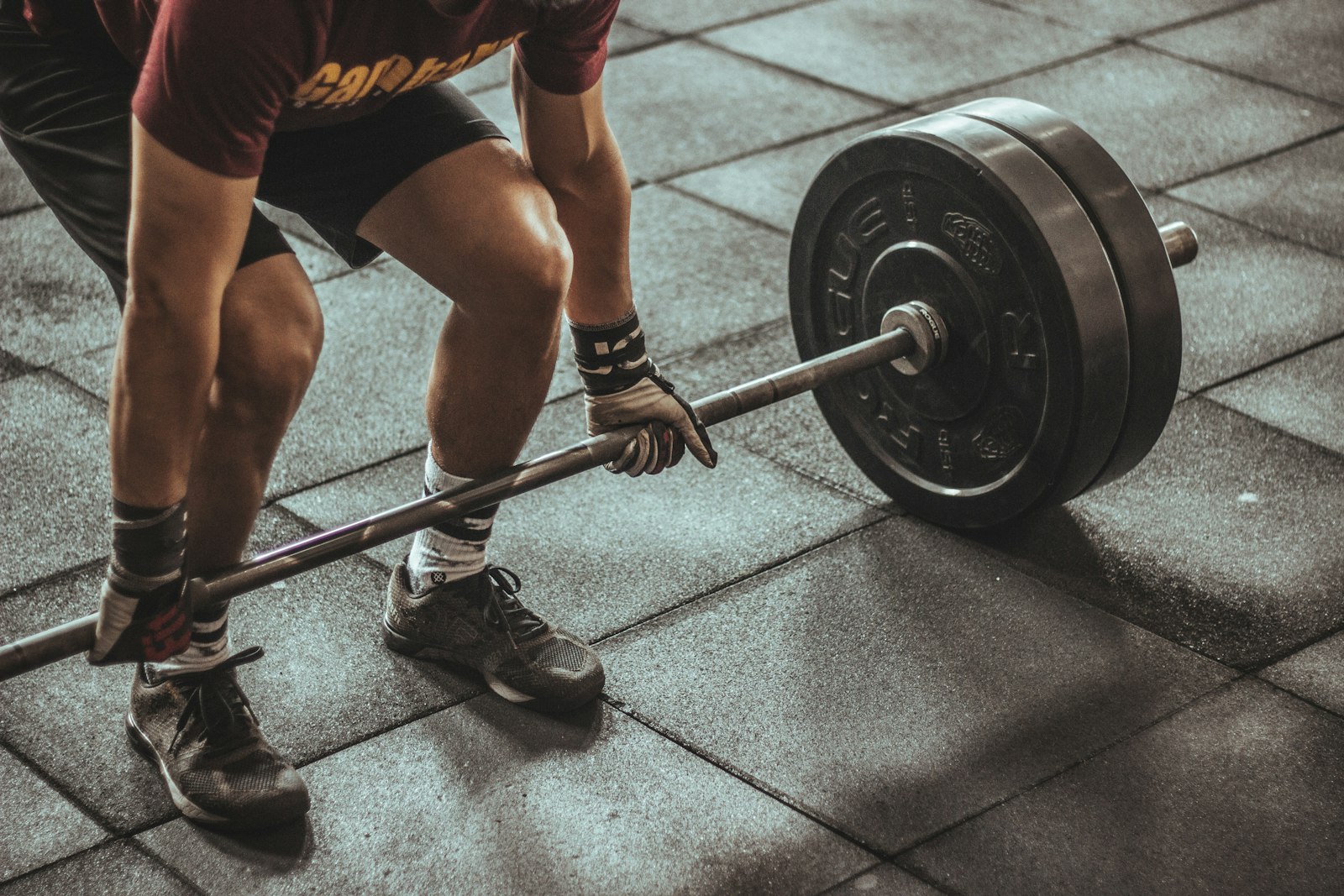
Daily stretching and adequate recovery are as important as the training itself for sustained chest development.
Nutrition for Chest Muscle Growth
You can't build a bigger chest in a caloric deficit unless you're a complete beginner. Here's what you need:
- Caloric Surplus: A modest surplus of 300-500 calories above maintenance for muscle building. This provides the energy needed for training and muscle growth.
- Protein: Aim for 150-220g daily (depending on bodyweight). This provides amino acids for muscle repair. Spread this across 4-5 meals for optimal absorption.
- Carbohydrates: 3-4g per pound of bodyweight. Carbs provide energy for training and recovery. Don't fear carbs they're essential for muscle growth.
- Fats: 0.3-0.4g per pound of bodyweight. Healthy fats support hormone production and nutrient absorption.
Conclusion
Building a bigger, stronger chest requires intelligent training, proper nutrition, and consistent effort over months and years. There's no magic to it just progressive overload, adequate recovery, and showing up consistently.
Start with the beginner program, master the movement patterns, and progressively increase the demands on your muscles. Whether you're training at a dedicated strength training facility or a commercial gym, these principles apply universally.
The chest training mistakes outlined above are avoidable with awareness. Dedicate sufficient volume to upper chest, maintain full range of motion, prioritize recovery, and implement progressive overload. Do this and you'll build an impressive physique.
For personalized guidance tailored to your specific situation, consider working with a qualified personal trainer in Dubai. They can assess your form, adjust programming based on your response, and accelerate your progress significantly.
Start training smart. Your bigger chest is waiting.