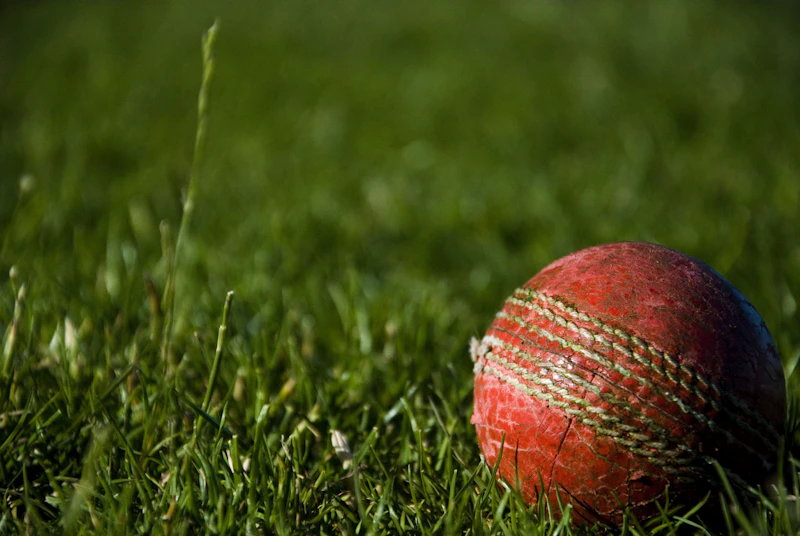
Cricket is one of the most popular sports in Dubai. The UAE's large South Asian expatriate community has made cricket culturally central to the emirate's sporting landscape — and the international standard of the sport has risen dramatically with the UAE national team's growing profile and Dubai hosting international fixtures. Whether you're playing recreational weekend cricket, competitive club cricket, or aspiring to representative level, the physical conditioning demands of the modern game have never been higher.
This guide covers the complete cricket fitness picture for Dubai players: what physical qualities the sport demands, role-specific training priorities, the impact of Dubai's climate on cricket performance, sample training programmes, and how to find the right conditioning support in the city.
Batsmen
Rotational power, reaction speed, running between wickets, sustained concentration
Bowlers
Posterior chain strength, shoulder stability, bowling endurance, sprint recovery
Fielders
Multi-directional speed, dive technique, throwing power, sustained agility
The Physical Demands of Modern Cricket
Cricket is often mischaracterised as a low-intensity sport but the physical demands of the modern game are substantial. A fast bowler completing a 25-over spell generates peak spinal loads equivalent to Olympic weightlifting. A batsman facing a 5-hour innings must sustain explosive reactive speed while maintaining concentration under heat stress. Fielders may sprint 100+ metres in a single afternoon in temperatures that would cancel most other sports.
In Dubai specifically, the thermal environment adds a layer of physiological challenge that most cricketing nations simply don't face. Playing in 35–40°C heat with humidity significantly elevates sweat rates, reduces time to heat exhaustion, and impairs explosive performance. Players who are merely skilled but physically underprepared will underperform significantly in Dubai's conditions compared to similarly skilled players with superior conditioning.
Physical Fitness Components in Cricket
- Explosive power: Bowling, batting, and all sprinting movements require high power output from the hips and legs
- Rotational strength: Batting and bowling both depend fundamentally on rotational core power
- Speed and agility: Running between wickets, ground fielding approach, and chase sprints require acceleration in multiple directions
- Aerobic endurance: Sustaining performance quality over long periods, particularly in hot conditions, requires solid aerobic base
- Throwing power and shoulder health: Outfield throwing demands significant shoulder girdle strength and stability
- Flexibility and mobility: Bowling front arm extension, batting shoulder rotation, diving technique — all require sport-specific mobility
Role-Specific Training Priorities
Fast Bowlers
Fast bowling is one of sport's most physically demanding activities. The delivery stride generates forces through the lower back, hip, and knee that are multiple times bodyweight. To bowl fast safely and sustainably, the musculoskeletal system needs exceptional conditioning:
- Posterior chain strength: Deadlifts, Romanian deadlifts, and hip thrusts develop the glutes, hamstrings, and lower back that must absorb the braced front-foot landing force
- Core stiffness: The ability to transmit force from the run-up through a stiff trunk without energy loss — this is different from dynamic core stability. Loaded carries, plank variations, and anti-rotation exercises develop this quality
- Shoulder stability: External rotation strength, rotator cuff conditioning, and scapular stability protect the bowling shoulder from the repetitive overhead stress of bowling. Face pulls, band external rotations, and prone T/Y exercises are essential
- Sprint conditioning: Repeated short sprints (15–30m) with incomplete recovery simulate the bowling spells of cricket. Speed endurance sessions twice per week in pre-season build the capacity to maintain approach run pace and explosive delivery through long bowling stints
Batsmen
Batting requires exceptional hand-eye coordination, explosive first movement, and the physical and mental endurance to sustain a high-level innings over extended periods. Physical conditioning priorities:
- Rotational power: Cable woodchops, medicine ball rotational throws, and rotational strength exercises develop the hip-to-bat transfer of force that generates batting power
- Lower body explosiveness: Box jumps, trap bar deadlifts, and single-leg exercises develop the leg drive that characterises the most powerful batsmen
- Running conditioning: Cricket running is mostly 17.68-metre shuttle sprints (the pitch length). 10–20m acceleration training and short-distance repeat sprint capacity are the most specific conditioning tools
- Wrist and forearm strength: Grip strength and wrist stability contribute to shot control and reducing injury risk from thick-edge deliveries. Farmer's carries, wrist rolling exercises, and grip training complement batting work
Wicketkeepers
Wicketkeeping is arguably the most physically demanding fielding position across the full spectrum of the game's physical requirements. Keepers crouch for hours in a demanding hip-flexed, spine-loaded position, then must react and move explosively to take catches or effect stumpings. Hip flexor flexibility, lumbar spine endurance, explosive footwork, and hand reaction training are all critical. Regular deep hip stretching and lumbar mobility work prevents the career-limiting back problems that afflict many keepers who don't adequately manage their postural conditioning.
Fielders
Modern cricket demands athletic fielders who can cover ground at pace, dive and get up quickly, and throw from long distances with both power and accuracy. Agility ladder drills, multi-directional sprint sessions, throwing-specific shoulder strengthening, and diving/ground-work practice are all part of a comprehensive fielder's conditioning programme.
Work with a Sports Performance Trainer
Find a Dubai personal trainer with sports conditioning expertise who can build a cricket-specific programme for your position and goals.
Find Sports TrainersSample Cricket Conditioning Programme
| Day | Session Type | Key Exercises |
|---|---|---|
| Monday | Strength — Lower Body | Trap bar deadlift 4×4, Bulgarian split squat 3×8, Hip thrust 3×10, Nordic curl 3×6 |
| Tuesday | Speed & Agility | 10m acceleration (8 reps), 20m sprint (6 reps), Lateral shuffle drills, T-test agility, Throwing mechanics + sprint |
| Wednesday | Upper Body + Shoulder Health | Pull-ups 4×6, Cable row 3×10, Face pulls 3×15, External rotation 3×15, Rotational throws 3×8 each side |
| Thursday | Practice (Cricket Skills) | Nets, fielding drills, match simulation |
| Friday | Power & Core | Box jumps 4×5, Medicine ball rotational slams 3×8, Pallof press 3×12, Plank variations 3×60s, Loaded carries |
| Saturday | Match Play | Competition or practice match |
| Sunday | Recovery | Mobility work, foam rolling, swim or light walk |
Conditioning for Dubai's Heat
Playing cricket in Dubai's summer (April–October) requires specific physical preparation to manage heat stress safely and maintain performance. Key strategies:
Heat Acclimatisation
Spending 10–14 days training in increasing heat exposure before competitive play in hot conditions significantly improves performance and safety. The body adapts by increasing plasma volume, improving sweating efficiency, and reducing perceived exertion at equivalent heat loads. Most Dubai players acclimatise passively through exposure to the environment, but structured heat acclimatisation (training in heated spaces progressively) can accelerate adaptation.
Hydration Protocol
Dubai's heat creates sweat rates of 1.5–2.5 litres per hour during active cricket. Dehydration of just 2% bodyweight reduces explosive performance by 5–10% and cognitive function more significantly. Practical hydration approach for a full-day cricket match in Dubai:
- Pre-match: 500–600ml of water or electrolyte drink 2 hours before play
- During play: 250ml every 15–20 minutes of active time
- Electrolytes: Sodium replacement is critical in extreme heat — sports drinks, salt tabs, or salted food during innings breaks
- Post-match rehydration: 1.5 litres per kg of bodyweight lost (weigh before and after for precision)
Cooling Strategies
Ice vests during fielding breaks, cold towels, ice baths post-match, and shade whenever possible between overs all help manage core temperature. The most effective pre-cooling strategy for Dubai cricket is consuming ice slurry (crushed ice) before play — this lowers core temperature by 0.5–1°C and significantly extends time to heat exhaustion.
🌡️ Dubai Cricket Heat Guidelines
- Above 35°C: mandatory drinks breaks every 30 minutes minimum
- Above 40°C: consider shortened match formats or early morning/evening play
- Humidity >60%: evaporative cooling is impaired — additional caution required
- Signs of heat exhaustion: dizziness, nausea, cessation of sweating — withdraw immediately
- Optimal play conditions: October–April, morning or evening sessions
Injury Prevention for Dubai Cricket Players
Lower Back (Fast Bowlers)
Lumbar stress fractures (spondylolysis) are the most career-threatening injury in fast bowling, typically developing from the counter-rotation of the mixed action delivery stride. Prevention requires: strengthening the muscles that protect the spine (glutes, hamstrings, obliques), avoiding excessive bowling workload particularly in youth players, and monitoring mixed action tendencies through video analysis. Any lower back pain in a fast bowler warrants immediate MRI investigation.
Hamstring Strains
Sprinting between wickets and in the outfield is a common context for hamstring injuries. Nordic hamstring curls are the single most evidence-based injury prevention exercise for hamstring strains — incorporating 2–3 sets twice per week during pre-season and once per week in-season provides significant protection. A physiotherapy assessment to identify any pre-existing hamstring asymmetries or scar tissue is worthwhile before intense pre-season begins.
Shoulder (All Players)
Throwing stress accumulates across a season. Rotator cuff strengthening, systematic progressive throwing loads, and regular soft tissue maintenance work (massage, self-myofascial release with foam rollers and lacrosse balls) all protect throwing shoulders. If shoulder pain develops during throwing, stopping immediately and seeking physiotherapy is essential — shoulder injuries that are pushed through become significantly more complex and time-consuming to resolve.
Mental Conditioning for Dubai Cricket
Cricket's intermittent nature — extended periods of concentration punctuated by short explosive actions — places unique demands on mental performance. Unlike continuous sports, cricket requires sustained attention over many hours with the stakes of any single moment potentially career-defining. Sports psychology skills relevant to cricket include:
- Concentration routines: Pre-delivery routines for batsmen and bowlers that bring focus back to the present moment between deliveries
- Process orientation: Focusing on technical execution rather than outcomes (runs, wickets) to reduce performance anxiety
- Resilience: Managing the psychological impact of dismissal, dropped catches, or expensive overs — bouncing back quickly is a trainable skill
- Mindfulness: Regular mindfulness practice builds the attention control and emotional regulation that cricket demands. Meditation classes in Dubai offer accessible entry points
Elevate Your Cricket Performance
Work with a sports performance trainer on GetFitDXB to build the cricket-specific fitness that takes your game to the next level.
Find a TrainerCricket Infrastructure in Dubai
Dubai provides excellent cricket infrastructure. The International Cricket Stadium at Dubai Sports City hosts international fixtures and provides practice facilities. The Dubai Cricket Council oversees league cricket with multiple divisions. The ICC Academy in Dubai Sports City provides elite-level coaching and high-performance programmes for UAE squad members and development players.
For recreational cricketers, turf and mat pitches are available across Dubai, with clubs operating in areas including Dubai Sports City, Sharjah (short drive), and several ground facilities used by corporate and expatriate cricket leagues. The main season runs October–April in alignment with Dubai's cooler months.
The Dubai Sports City area naturally concentrates the highest density of cricket-related training and gym facilities in the emirate — an ideal base for serious players looking to combine cricket training with physical conditioning work.
Related reading: Sports-Specific Training Dubai, Speed & Agility Training, Sports Nutrition & Timing, and Hydration Guide for Dubai Heat. Find a personal trainer specialising in sports conditioning on GetFitDXB to build your cricket-specific programme.