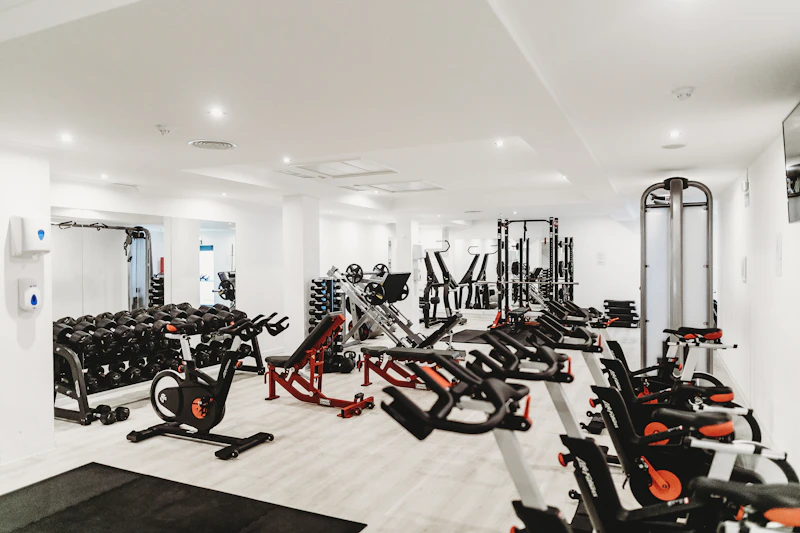
A well-designed cutting phase is science, not starvation. This guide is part of our complete body transformation science guide for Dubai. Here you'll find a complete, evidence-based 12-week cutting programme — with specific adjustments for Dubai's climate, lifestyle, and Ramadan considerations. Whether you're preparing for a special event, a beach holiday on Jumeirah, or simply want to reveal the muscle you've built, this programme gives you the structure to do it right.
Cutting Phase Principles
A cutting phase is a planned period of caloric restriction combined with maintained resistance training, designed to maximise fat loss while minimising muscle loss. The key word is "planned" — unlike random dieting, a structured cut has defined calorie targets, protein goals, a training protocol, a duration, and exit criteria.
The critical success factors for a cutting phase are:
- Caloric deficit size: 300–500 kcal below TDEE for most people; up to 600–750 kcal for those with higher body fat (>25% men, >33% women)
- Protein sufficiency: 2.0–2.4g/kg bodyweight to protect lean mass — this is even more important during a cut than during maintenance
- Resistance training: maintained at similar intensity as the building phase; reduce volume slightly if recovery suffers
- Cut duration: 8–16 weeks; longer cuts require diet breaks to counteract metabolic adaptation
- Deficit rate: targeting 0.5–1% bodyweight loss per week (0.4–0.8kg/week for most Dubai residents)
Setting Your Cutting Calorie Targets
Begin by calculating your TDEE. Use a multiplier based on your activity level and apply a 400–500 kcal deficit. For a Dubai office worker weighing 80kg who trains 4x per week:
| Metric | Calculation | Result |
|---|---|---|
| BMR (Mifflin-St Jeor) | 10×80 + 6.25×175 − 5×30 + 5 | ≈1,818 kcal |
| TDEE (Moderately Active ×1.55) | 1,818 × 1.55 | ≈2,818 kcal |
| Dubai summer NEAT adjustment (−12%) | 2,818 × 0.88 | ≈2,480 kcal |
| Cutting target | 2,480 − 450 | ≈2,030 kcal |
| Protein target | 80kg × 2.2g | 176g/day |
Reassess every 2 weeks. If losing more than 1% bodyweight/week, increase calories by 100 kcal. If no change after 2 weeks, reduce by 100 kcal. Never drop below 1,600 kcal for men or 1,400 kcal for women without medical supervision.
The 12-Week Cutting Programme
This programme is divided into three 4-week phases, each with a specific training focus and nutritional adjustment. The phased approach counteracts metabolic adaptation and prevents the plateau that derails most Dubai cutting attempts.
📅 Phase 1 — Weeks 1–4: Establishing the Deficit
- Calorie deficit: 400 kcal below TDEE
- Training: Upper/Lower 4-day split, 12–15 reps, moderate intensity (65–70% 1RM)
- Cardio: 2 × 30 min Zone 2 (60–70% max HR) per week
- Goal: establish dietary adherence, baseline measurements, identify problem areas
- Expected loss: 0.5–0.7kg/week (including initial water weight drop)
📅 Phase 2 — Weeks 5–8: Intensifying the Cut
- Calorie deficit: increase to 450–500 kcal below TDEE
- Training: maintain weight on all lifts; add rest-pause sets or drop sets on 1–2 exercises per session to maintain volume with lower total sets
- Cardio: increase to 3 × 35 min Zone 2; add one 15-min HIIT session on a non-training day
- Goal: maintain muscle while accelerating fat loss; address any nutritional compliance issues
- Expected loss: 0.4–0.6kg/week (rate slows as deficit requires more precision)
📅 Phase 3 — Weeks 9–12: Peak Cut
- Calorie deficit: maintain 450–500 kcal; consider adding a weekly refeed day at maintenance calories to restore leptin and glycogen
- Training: prioritise compound lifts; reduce accessory volume if fatigue is affecting performance
- Cardio: 3–4 × 30–40 min moderate intensity; focus on low-impact options (walking, cycling) to preserve joints and reduce cortisol
- Goal: achieve target body fat; prepare reverse diet plan for post-cut
- Expected loss: 0.3–0.5kg/week (increasingly challenging as body fat drops)
Need Expert Guidance on Your Cut?
A certified Dubai personal trainer can design your cutting programme, track your progress, and adjust your nutrition to ensure you lose fat — not muscle.
The 12-Week Cutting Training Split
Resistance training during a cut has one primary purpose: provide a sufficient hypertrophic stimulus to signal muscle retention. You are not trying to maximise muscle growth (that requires a surplus) — you are maintaining what you have. This changes how you approach training:
| Day | Focus | Key Exercises | Volume |
|---|---|---|---|
| Monday | Upper Push | Bench Press, Incline DB Press, OHP, Tricep Pushdown, Lateral Raises | 10–12 sets |
| Tuesday | Lower + Core | Back Squat, Romanian Deadlift, Leg Curl, Calf Raises, Plank variations | 10–12 sets |
| Wednesday | Zone 2 Cardio | 35–40 min treadmill walk/incline, bike, or swim | — |
| Thursday | Upper Pull | Barbell Row, Lat Pulldown, Cable Row, Face Pulls, Bicep Curls | 10–12 sets |
| Friday | Lower + Glutes | Deadlift, Bulgarian Split Squat, Hip Thrust, Leg Extension | 10–12 sets |
| Saturday | Zone 2 + HIIT | 20 min walk + 15 min HIIT (bike sprints or rower) | — |
| Sunday | Rest / Active | Walking, swimming, light stretching | — |
Cutting Phase Nutrition Protocol
Nutrition is 70–80% of cutting success. The training creates the signal to retain muscle; nutrition creates the deficit and provides the raw materials for muscle preservation. The body transformation science guide covers the underlying mechanisms in detail. Here's the practical protocol:
Daily Meal Structure
For a 2,000 kcal cutting day (180g protein, 180g carbs, 60g fat):
- Meal 1 (7:00am, pre-gym): 4 egg whites + 1 whole egg scrambled + 80g oats + banana = ~500 kcal, 40g protein
- Meal 2 (11:00am, post-gym): 150g chicken breast + 150g brown rice + large salad + olive oil = ~550 kcal, 45g protein
- Meal 3 (2:30pm): 200g Greek yoghurt (full fat) + 100g berries + 30g nuts = ~350 kcal, 20g protein
- Meal 4 (6:30pm): 150g salmon + 200g sweet potato + steamed broccoli = ~450 kcal, 38g protein
- Meal 5 (9:30pm, pre-sleep): 250g cottage cheese + cinnamon = ~200 kcal, 30g protein
Refeed Days: When and How
A refeed day involves eating at maintenance calories (no deficit) for 24 hours, with carbohydrates increased to 4–5g/kg. Refeeds restore muscle glycogen, temporarily elevate leptin, and provide a psychological break from restriction. During a 12-week cut, incorporate:
- No refeeds in weeks 1–4 (establishing the deficit)
- One refeed day every 2 weeks in weeks 5–8
- One refeed day every week in weeks 9–12
In Dubai's social context, plan refeed days to coincide with social events where higher food consumption is expected — making Friday brunch your weekly refeed in weeks 9–12 is a smart strategy that aligns diet compliance with social reality.
Cutting During Ramadan
For Muslim residents and others observing fasting in Dubai during Ramadan, the cutting phase requires specific modifications. Research on Ramadan fasting demonstrates that it can be an effective fat loss period if managed correctly — see our detailed analysis in the body transformation science guide.
Ramadan cutting modifications:
- Train 60–90 minutes after Iftar when energy and hydration are partially restored
- Front-load protein at Iftar (40–50g) and Suhoor (30–40g) to maximise daily MPS
- Reduce training volume by 20–30% — recovery is impaired by altered sleep and eating patterns
- Replace cardio with evening walks post-Tarawih if energy permits
- Prioritise hydration between Iftar and Suhoor: aim for 2.5–3L in the eating window
- Don't try to maintain a formal deficit — Ramadan eating often creates a natural deficit; focus on protein sufficiency and training quality
Common Cutting Mistakes in Dubai
These errors regularly derail otherwise well-designed cutting phases in Dubai. For a comprehensive analysis, see our article on body transformation mistakes in Dubai:
- Too aggressive a deficit: losing more than 1% bodyweight/week inevitably includes significant muscle loss — not just fat
- Cutting cardio AND calories simultaneously: creates excessive fatigue, elevated cortisol, and poor performance
- Weekend "cheat meals" that negate the week's deficit: one Dubai Friday brunch + Saturday pool party can easily add 3,000–5,000 kcal above maintenance, erasing 4–7 days of deficit
- Neglecting sleep: sleeping less than 7 hours during a cut significantly increases the ratio of muscle-to-fat lost (studies show 55% of weight lost during restricted sleep is lean mass vs 80% fat with adequate sleep)
- Abandoning progressive overload: the moment you start lifting lighter because you're "cutting," muscle loss begins
Dubai has several advantages for cutting: exceptional gym infrastructure open 24/7, abundant high-protein food options at restaurants and supermarkets, a culture of health and fitness that makes healthy food choices socially acceptable, and a year-round warm climate that increases baseline caloric expenditure through thermoregulation. Use these to your advantage.
Post-Cut: The Reverse Diet
Finishing your cut is not the end of the programme — it's the beginning of the maintenance phase. Returning abruptly to previous caloric intake after a cut (known as "reverse dieting incorrectly") is the most common cause of fat regain. See our guide to sustainable body change in Dubai for the complete reverse diet protocol.
After completing your 12-week cut, increase calories by 50–100 kcal per week over 8–12 weeks, reaching a new maintenance baseline. This gradual approach restores metabolic rate, normalises hunger hormones, and allows the body to settle at the new, leaner composition without significant fat regain.
Continue the Transformation Series
This cutting phase guide is part of our comprehensive body transformation cluster:
- Body Transformation Science Dubai — Complete Guide
- Body Recomposition Strategy Dubai
- Realistic Transformation Timeline Dubai
- Fat Loss Science Dubai 2026 — What Actually Works
- 12 Body Transformation Mistakes Dubai
- Sustainable Body Change Dubai
- Fat Loss vs Weight Loss: The Difference
- Weight Loss Dubai Transformation Guide
- Find a Personal Trainer in Dubai
- Gyms in Business Bay Dubai
Start Your Cutting Phase With Expert Support
Work with a certified Dubai personal trainer who can manage your cutting protocol, track body composition, and adjust your programme week by week.