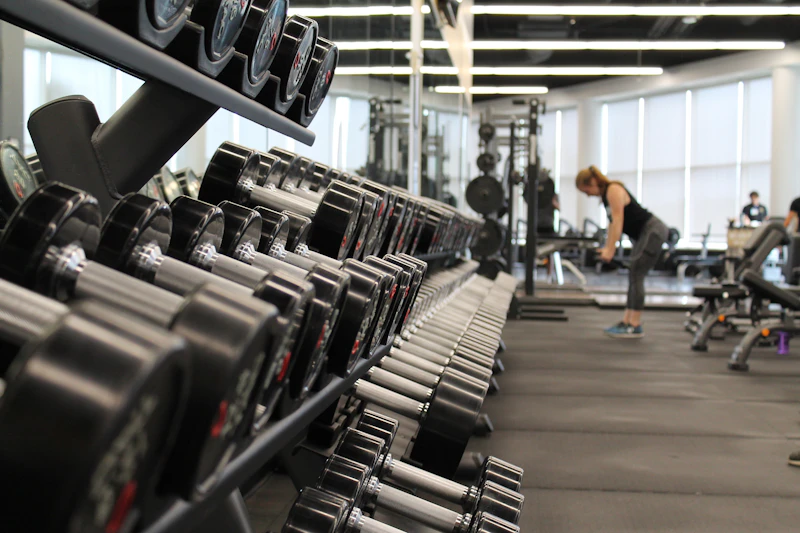
Body transformation in Dubai is not just about aesthetics — it's about understanding the evidence-based science behind how the human body actually changes. Whether your goal is fat loss, muscle gain, or complete physique recomposition, the principles of body transformation science remain the same regardless of where you train. What changes is how Dubai's unique environment — extreme heat, expat lifestyle, Ramadan cycles, and access to world-class fitness facilities — affects your strategy and execution.
📋 In This Guide
- The Energy Balance Equation: The Foundation of All Transformation
- Fat Loss Mechanisms: What Science Actually Says
- The Science of Building Muscle in Dubai
- Body Recomposition: Losing Fat and Building Muscle Simultaneously
- Hormones, Stress, and Body Transformation
- Dubai-Specific Factors That Affect Your Results
- Evidence-Based Training Protocols for Transformation
- Nutrition Strategy: What to Eat for Maximum Results
- Realistic Transformation Timelines and Expectations
- The Most Common Body Transformation Mistakes in Dubai
- Sustaining Your Results Long-Term
- Frequently Asked Questions
The Energy Balance Equation: The Foundation of All Transformation
Every body transformation — whether you want to lose 20kg of fat, add 10kg of lean muscle, or recompose your physique entirely — begins with understanding energy balance. This is the most fundamental principle in exercise science, and despite what supplement companies, Instagram influencers, or the latest diet book might claim, no programme can circumvent thermodynamics.
Energy balance is simply the relationship between calories consumed (energy in) and calories expended (energy out). When you consume more than you expend, you are in a caloric surplus, and your body stores the excess as fat or uses it to build muscle. When you consume fewer calories than you expend, you are in a caloric deficit, and your body draws on stored energy (primarily fat) to make up the difference.
The problem is that this simple equation is affected by dozens of interacting variables — metabolic adaptation, hormonal fluctuations, the thermic effect of different foods, non-exercise activity thermogenesis (NEAT), and more. This is why two people in Dubai can follow seemingly identical programmes and get very different results.
Calculating Your Total Daily Energy Expenditure (TDEE) in Dubai
Your TDEE is the total number of calories your body burns in a day. It has four components:
- Basal Metabolic Rate (BMR) — the calories your body burns at rest to maintain vital functions (typically 60–75% of TDEE)
- Thermic Effect of Food (TEF) — the energy cost of digesting and processing food (approximately 10% of calories consumed)
- Exercise Activity Thermogenesis (EAT) — calories burned during deliberate exercise
- Non-Exercise Activity Thermogenesis (NEAT) — calories burned through all movement that isn't formal exercise: walking, fidgeting, standing
NEAT is particularly important in Dubai because the extreme summer heat (May–September) dramatically reduces spontaneous movement. Air-conditioned cars, offices, and apartments mean Dubai residents often have very low NEAT compared to people in more temperate climates. This means your actual TDEE may be lower than a generic calculator predicts, and a slightly larger deficit may be needed to achieve the same rate of fat loss.
Standard TDEE calculators often overestimate expenditure for Dubai residents. During summer months (June–August), assume your NEAT is 10–15% lower than in cooler months due to reduced outdoor activity. Adjust your calorie targets accordingly — or increase your step count indoors using a treadmill or mall-walking.
Setting the Right Calorie Deficit for Fat Loss
A moderate deficit of 300–500 kcal per day is optimal for most people seeking fat loss while preserving muscle mass. This produces roughly 0.3–0.5kg of actual fat loss per week. Aggressive deficits (750–1,000+ kcal/day) may produce faster short-term results on the scale but accelerate muscle loss, increase cortisol, suppress testosterone, impair training performance, and trigger metabolic adaptation — all of which sabotage long-term transformation success.
Research by Helms et al. (2014) found that natural athletes achieve the best body composition outcomes when losing bodyweight at 0.5–1% per week. For someone weighing 80kg in Dubai, this means targeting 400–800g of weekly weight loss — not the 2–3kg per week that extreme diets promise.
Fat Loss Mechanisms: What Science Actually Says
Understanding fat loss science requires looking beyond "eat less, move more." While energy balance is the governing principle, the mechanisms through which your body actually mobilises and oxidises stored fat are nuanced and directly influence which strategies work best. For a deeper dive, see our dedicated article on fat loss science in Dubai 2026.
Lipolysis and Fat Oxidation
Fat loss occurs in two distinct phases. First, lipolysis: the breakdown of triglycerides stored in fat cells (adipocytes) into free fatty acids and glycerol, which are released into the bloodstream. Second, fat oxidation (beta-oxidation): these free fatty acids are transported to mitochondria in muscle cells and other tissues where they are burned for energy.
The key hormones governing lipolysis are:
- Catecholamines (adrenaline, noradrenaline) — stimulate fat breakdown, especially during exercise
- Insulin — powerfully inhibits lipolysis; keeping insulin levels moderate (not chronically elevated) supports fat mobilisation
- Glucagon — promotes fat release between meals
- Growth hormone — strongly lipolytic, especially during sleep and fasted exercise
- Cortisol — complex role; acute spikes support fat mobilisation but chronic elevation (common in Dubai's high-stress expat environment) promotes visceral fat accumulation
Does Fat Loss Have to Be Slow?
Research suggests that fat loss rate is limited by fat store size. Alpert's model (2005) established that the maximum rate of fat loss without muscle catabolism is approximately 69 kcal per kilogram of fat mass per day. For someone with 20kg of fat mass, this equates to roughly 1,380 kcal from fat stores — equivalent to losing about 150g of fat per day, or about 1kg per week.
In practice, this means that leaner individuals (<15% body fat for men, <22% for women) cannot lose fat as quickly as those with higher fat mass without sacrificing muscle. This is directly relevant to advanced cutting phase programmes in Dubai where athletes need to carefully manage their deficit rate as they approach competition condition.
The Role of Cardio vs. Resistance Training for Fat Loss
A persistent myth is that cardio is the primary tool for fat loss. The evidence tells a more nuanced story. Both cardio and resistance training create caloric deficits, but resistance training has two additional advantages:
- It elevates post-exercise oxygen consumption (EPOC) for up to 38 hours, increasing total caloric expenditure beyond the session itself
- It builds and preserves lean muscle mass, which increases basal metabolic rate long-term
A meta-analysis by Willis et al. (2012) found that resistance training plus aerobic exercise produced superior body composition results compared to either alone. The optimal fat loss protocol involves 3–4 resistance training sessions per week plus 2–3 moderate-intensity cardio sessions, with total weekly caloric deficit managed through nutrition.
Ready to Start Your Body Transformation in Dubai?
Connect with certified personal trainers who specialise in evidence-based body transformation. Browse verified PTs across all Dubai areas.
The Science of Building Muscle in Dubai
Building muscle (muscle hypertrophy) is a fundamentally different physiological process from fat loss, yet the two goals are intertwined in most body transformation programmes. Understanding the mechanisms of hypertrophy allows you to design smarter training protocols and manage the inevitable trade-offs between muscle gain and fat loss.
Mechanisms of Muscle Hypertrophy
Modern exercise science identifies three primary mechanisms driving muscle growth:
- Mechanical tension — the primary driver; high forces generated during resistance exercise activate mechanoreceptors in muscle cells, triggering anabolic signalling cascades (mTOR pathway)
- Metabolic stress — the "pump" effect; accumulation of metabolites (lactate, hydrogen ions) during high-rep training contributes to hypertrophy through cell swelling and hormonal responses
- Muscle damage — micro-tears in muscle fibres stimulate satellite cell activation and protein synthesis during the repair process
Current evidence suggests mechanical tension is the most important of these three. This means progressive overload — consistently increasing the mechanical demand on muscles over time — is the single most important training variable for building muscle, regardless of whether you train in a Fitness First in Business Bay or an independent studio in JLT.
How Much Muscle Can You Build?
Muscle gain is slow. The research consistently shows:
- Beginner men: 0.9–1.1kg of lean muscle per month (first 6–12 months of training)
- Intermediate men: 0.45–0.9kg per month
- Advanced men: 0.2–0.45kg per month
- Women build muscle at approximately 60–70% the rate of men due to lower testosterone levels
These figures assume optimised nutrition (caloric surplus of 200–300 kcal, high protein), consistent progressive overload training, and adequate sleep. In practice, many Dubai residents fail to gain muscle optimally because they train hard but under-eat protein, sleep poorly (common in the hospitality and nightlife industries), or train without progressive structure.
Protein Synthesis and Muscle Protein Balance
Muscle tissue is in a constant state of flux: muscle protein synthesis (MPS) builds new proteins, while muscle protein breakdown (MPB) degrades existing proteins. Net muscle gain occurs only when MPS exceeds MPB over time. Resistance exercise acutely elevates MPS for 24–48 hours. The key nutritional driver is dietary protein.
Research supports a protein intake of 1.6–2.2g per kilogram of bodyweight per day for maximising hypertrophy. For an 80kg individual, this means 128–176g of protein daily. Distributing this across 4–5 meals of 30–40g optimises MPS via leucine threshold mechanisms. Given Dubai's hot climate and dehydration risk, ensuring protein intake doesn't crowd out adequate carbohydrate and fluid consumption is also critical.
Body Recomposition: Losing Fat and Building Muscle Simultaneously
Body recomposition — simultaneously losing fat and gaining muscle — is the holy grail of physique transformation. For years it was considered impossible except in beginners, but emerging evidence supports recomposition as achievable for a wider population than previously thought. Our detailed guide on body recomposition strategy in Dubai covers this topic comprehensively.
Who Can Achieve Body Recomposition?
The candidates most likely to achieve meaningful recomposition are:
- Complete beginners — the "newbie gains" phenomenon; any resistance training stimulus drives hypertrophy, even in a deficit
- Those returning after a break — muscle memory effect; satellite cells and motor patterns remain, allowing rapid hypertrophy even at maintenance
- Individuals with higher body fat (>20% for men, >30% for women) — greater available energy from fat stores makes it easier to fuel muscle building while in a net caloric deficit
- Individuals with poor nutritional histories — correcting protein deficiency often triggers muscle growth regardless of caloric status
The Recomposition Strategy
True simultaneous fat loss and muscle gain requires:
- Eating at or very close to maintenance calories (within ±200 kcal)
- High protein intake (2.0–2.4g/kg bodyweight) to drive MPS
- Progressive resistance training 3–4x per week
- Sufficient sleep (7–9 hours) for growth hormone secretion and cortisol management
- Patience — recomposition is slower than a dedicated bulk or cut
In Dubai's expat population, recomposition is often the most practical starting strategy for time-pressed professionals who don't want to cycle between bulking and cutting phases, and don't have the patience for a 6-month dedicated cut.
Hormones, Stress, and Body Transformation
Hormones are the chemical messengers that orchestrate body composition, and understanding their role explains why two people can follow identical training and nutrition programmes with dramatically different results. Dubai's high-stress, high-stimulation lifestyle creates unique hormonal challenges for body transformation.
The Key Hormones for Body Composition
| Hormone | Role in Body Composition | Dubai-Specific Risk |
|---|---|---|
| Testosterone | Primary anabolic hormone; drives muscle protein synthesis, fat oxidation, motivation | Chronically suppressed by stress, sleep deprivation, alcohol (Dubai brunch culture) |
| Cortisol | Catabolic in excess; breaks down muscle, promotes visceral fat accumulation | Elevated by Dubai's high-pressure work culture, heat stress, poor sleep |
| Insulin | Drives glucose uptake; anabolic when timed around training, problematic when chronically elevated | High-carb restaurant meals, sugary drinks in the heat |
| Growth Hormone | Strongly lipolytic, promotes muscle repair; peaks during deep sleep | Disrupted by late nights, alcohol, blue light from screens |
| Leptin | Satiety hormone; regulates energy balance; drops with prolonged caloric restriction | Suppressed by aggressive cuts common in "quick fix" transformation challenges |
| Thyroid Hormones | Regulate metabolic rate; low T3/T4 slows metabolism, promotes fat gain | Iodine deficiency possible in expat diets; worth testing annually |
Managing Cortisol in Dubai
Cortisol is the stress hormone most likely to sabotage body transformation in Dubai. The city's unique stressors — demanding work schedules, traffic, financial pressure, social anxiety, and extreme heat — create a chronic low-grade cortisol elevation that promotes visceral fat storage (particularly around the abdomen), suppresses testosterone, impairs recovery, and increases cravings for high-calorie foods.
Evidence-based cortisol management strategies include: consistent sleep schedule (same bedtime and wake time), limiting caffeine after 2pm, incorporating 10–15 minutes of daily meditation or breathing exercises, maintaining social connections (proven to reduce cortisol), and limiting alcohol consumption. Regular physical exercise is paradoxically beneficial — acute exercise spikes cortisol but training adaptations reduce baseline cortisol over weeks.
Dubai-Specific Factors That Affect Your Transformation
Dubai presents a unique set of environmental and lifestyle variables that directly impact body transformation outcomes. Understanding these factors allows you to adjust your programme intelligently rather than blindly applying generic advice designed for temperate climates. See our Dubai fitness neighbourhoods comparison for area-specific training options.
The Heat Factor: Summer Training in Dubai
Dubai's summer (June–September) presents extreme heat: 38–48°C with high humidity. This has several important implications for body transformation:
- Increased caloric expenditure — thermoregulation in the heat burns additional calories (estimates range from 100–300 extra kcal on very hot days)
- Dehydration risk — even mild dehydration (2% bodyweight) impairs strength performance by up to 10% and increases rate of perceived exertion significantly
- Reduced NEAT — people move less outdoors, reducing daily caloric burn
- Altered sleep quality — heat disrupts sleep architecture, reducing growth hormone secretion and recovery
- Cardiovascular strain — outdoor cardio sessions become dangerous; smart Dubai residents shift to indoor training between May and October
The practical solution is to embrace indoor training facilities during summer. Dubai has exceptional gym infrastructure — Fitness First, GymNation, Warehouse Gym, and hundreds of boutique studios offer climate-controlled environments where you can train effectively year-round. Outdoor training is best reserved for the cooler months (November–April).
Ramadan and Body Transformation
For Muslim residents and many non-Muslim Dubai residents who choose to participate in some form of intermittent fasting during Ramadan, this month presents unique body transformation considerations. Research on Ramadan fasting shows:
- Caloric intake typically decreases by 15–25%, potentially accelerating fat loss
- Training timing must shift to post-Iftar or pre-Suhoor windows
- Protein distribution becomes harder to optimise with compressed eating windows
- Sleep quality often deteriorates, impacting recovery and muscle retention
- Dehydration risk is elevated, particularly for those training outdoors
Many Dubai fitness professionals design specific Ramadan training modifications for their clients. For those focused on body transformation, Ramadan can be an effective fat loss phase if protein intake is prioritised (>2g/kg/day in the eating window) and resistance training is maintained at moderate volume.
The Expat Lifestyle Challenge
Dubai's expat population faces specific lifestyle challenges that complicate body transformation: frequent restaurant dining (typical meals in Dubai are 600–1,200 kcal), a vibrant social scene centred on food and alcohol, irregular working hours, and the psychological pressure of a "showcase" culture where appearance is emphasised. These factors push caloric intake up while creating significant stress.
Successful body transformation in Dubai often requires developing specific strategies for social eating — learning portion control in restaurant settings, making better choices at brunches, and finding alcohol-free social activities. The good news is that Dubai has an increasingly excellent healthy food scene, with options like Comptoir 102, Wild & the Moon, and Organic Foods & Café making nutritious eating more accessible and enjoyable.
Evidence-Based Training Protocols for Transformation
The foundation of any effective body transformation programme is a structured, progressive resistance training protocol. For those interested in more advanced methodologies, see our guide to common body transformation mistakes in Dubai.
Volume, Intensity, and Frequency
Current evidence from meta-analyses supports the following training parameters for body transformation:
- Weekly volume: 10–20 working sets per muscle group per week for hypertrophy; beginners start at the lower end
- Intensity: 60–85% of 1RM (or 6–20 rep range) for hypertrophy; closer to 80–90% 1RM (3–6 rep range) for strength-focused phases
- Frequency: Each muscle group trained 2–3x per week for optimal MPS stimulation
- Progressive overload: Increasing load, reps, or volume over time is non-negotiable
- Rest periods: 2–3 minutes for heavy compound lifts; 60–90 seconds for isolation exercises
Recommended Training Splits for Dubai Residents
| Split | Sessions/Week | Best For | Sample Schedule |
|---|---|---|---|
| Full Body | 3 | Beginners, time-constrained professionals | Mon / Wed / Fri |
| Upper/Lower | 4 | Intermediate lifters, good for recomposition | Mon/Tue/Thu/Fri |
| Push/Pull/Legs | 6 | Intermediate-advanced with flexible schedules | Mon/Tue/Wed/Fri/Sat/Sun |
| Body Part Split | 5–6 | Advanced bodybuilders in cutting phase | One muscle group per day |
For most Dubai residents balancing demanding careers, the Upper/Lower 4-day split offers the best combination of training frequency, volume, and flexibility. It allows for two rest days (or active recovery days) per week and can be rearranged to accommodate business travel, Ramadan timing, or extreme heat days.
Download Our Free Dubai Fitness Transformation Guide
Get our evidence-based guide to body transformation in Dubai — covering nutrition, training protocols, and Dubai-specific strategies. Free download.
Nutrition Strategy: What to Eat for Maximum Results
Training is the stimulus for body transformation; nutrition is what makes it possible. Without optimal nutrition, even the best training programme will produce suboptimal results. This section covers the evidence-based nutritional principles underlying successful body transformation, while our article on realistic transformation timelines in Dubai helps you set appropriate expectations.
Macronutrient Targets for Body Transformation
The three macronutrients — protein, carbohydrates, and fat — each play specific roles in body transformation:
- Protein: 1.6–2.4g/kg bodyweight/day. The single most important macronutrient for transformation. Prioritise at every meal. Excellent sources available in Dubai include grilled chicken, fish (hammour, salmon), Greek yoghurt, eggs, halloumi, and legumes.
- Carbohydrates: 3–5g/kg bodyweight/day during training phases; reduce to 2–3g/kg during cutting. Primary fuel for high-intensity training. Prioritise complex sources: brown rice, oats, sweet potato, whole grain bread, quinoa — all available in Dubai supermarkets (Waitrose, Spinneys, Carrefour).
- Fat: 0.8–1.2g/kg bodyweight/day. Essential for hormone production (testosterone, oestrogen), fat-soluble vitamin absorption, and satiety. Emphasise unsaturated sources: avocado, olive oil, nuts, fatty fish.
Meal Timing and Frequency
The research on meal timing has evolved considerably. While the old "anabolic window" concept (eat protein immediately post-workout or miss out) has been largely debunked, strategic meal timing still matters for optimising MPS:
- Consume 0.4g/kg protein every 3–4 hours to maintain elevated MPS throughout the day
- Pre-workout meal: carbohydrate and protein 60–120 minutes before training
- Post-workout protein: consume within 2 hours of training (the "window" is wider than once thought, but sooner is still better)
- Pre-sleep protein: 30–40g of casein (cottage cheese, Greek yoghurt, casein powder) 30 minutes before bed supports overnight MPS
Hydration in Dubai's Climate
Hydration is often overlooked in body transformation but profoundly affects both performance and body composition. In Dubai's climate, dehydration is a constant risk that undermines training quality and recovery. Recommendations for Dubai residents:
- Baseline hydration: 35–40ml per kg bodyweight per day (3–4L for most adults)
- Add 500ml–1L per hour of exercise
- Monitor urine colour: pale yellow indicates adequate hydration; dark yellow means drink more
- During Ramadan fasting hours: front-load hydration before Fajr and between Iftar and sleeping
- Electrolyte supplementation (sodium, potassium, magnesium) is beneficial for anyone training intensely in Dubai's heat
Realistic Transformation Timelines and Expectations
One of the biggest reasons people fail at body transformation in Dubai is setting unrealistic timelines driven by before/after photos on social media or aggressive marketing from transformation challenge programmes. Understanding what is actually achievable prevents early dropout and enables long-term success. For detailed monthly breakdowns, see our guide on realistic transformation timelines in Dubai.
Fat Loss Timelines
At a sustainable rate of 0.5–1% bodyweight per week:
- Weeks 1–2: Predominantly water weight loss (especially if reducing carbohydrates); scale weight drops 1–3kg but actual fat loss is minimal
- Weeks 3–8: Genuine fat loss begins; 0.3–0.7kg per week; visible changes in the mirror start around week 6–8 for most people
- Weeks 9–16: Continued fat loss; body composition becomes noticeably different; training performance may plateau — this is normal
- Weeks 17–24: Advanced fat loss; becoming harder as body adapts; diet breaks or refeeds may be needed
Muscle Building Timelines
For a 25-year-old male beginner in Dubai starting resistance training:
- Month 1–3: Primarily neural adaptations (strength improves dramatically without visible muscle gain); some hypertrophy in the second half of this period
- Month 3–6: Visible muscle development; 1–2kg of lean mass gained; training performance improving significantly
- Month 6–12: Clear physique change; 3–6kg of lean mass gained over the year; often described as looking "athletic" rather than "just thinner"
- Year 2–3: Slower gains (0.5–1kg lean mass per month); but more visible due to lower body fat from ongoing effort
The Most Common Body Transformation Mistakes in Dubai
After working with hundreds of Dubai residents, common patterns of self-sabotage emerge. These mistakes are avoidable with the right knowledge. See our detailed analysis in 12 body transformation mistakes holding Dubai residents back.
The Top 5 Transformation Mistakes
- 1. Aggressive deficit without adequate protein — losing muscle alongside fat, resulting in a "skinny fat" physique rather than lean and athletic
- 2. Cardio-only approach — endless treadmill sessions without resistance training produce minimal body composition change and no long-term metabolic benefit
- 3. Weekend derailment — Monday–Thursday excellent, Friday–Sunday unrestricted. Dubai's social calendar (brunches, rooftop dinners, pool parties) can easily undo a week of effort in two days
- 4. Inconsistent sleep — late nights from Dubai's social scene crush growth hormone, elevate cortisol, increase hunger hormones (ghrelin), and impair training performance
- 5. Programme hopping — constantly switching training programmes every 4–6 weeks, never allowing progressive overload to compound into meaningful muscle growth
Many Dubai gyms run 6–8 week "transformation challenges" promising dramatic results. These often work through extreme deficits (1,200 kcal/day), high cardio volume, and dehydration protocols — producing impressive before/after photos but unsustainable results. Most participants regain the weight within 3–6 months. The evidence-based approach takes longer but delivers lasting change. For understanding sustainable approaches, read our guide on sustainable body change in Dubai.
Sustaining Your Results Long-Term
The hardest part of body transformation is not achieving the goal — it's maintaining it. Research consistently shows that 80% of people who lose significant weight regain it within 5 years. Understanding why this happens and how to prevent it is essential for lasting change. Our in-depth article on sustainable body change in Dubai provides comprehensive strategies.
Metabolic Adaptation: The Biological Opponent
When you lose body fat, your body doesn't passively accept the change. Several adaptive mechanisms kick in to restore lost weight:
- BMR decreases (adaptive thermogenesis) — your body becomes more metabolically efficient
- NEAT decreases — unconscious movement reduces significantly
- Hunger hormones (ghrelin) increase, while satiety hormones (leptin) decrease
- Muscle efficiency increases, so training burns fewer calories than before
These adaptations are collectively called metabolic adaptation (or "adaptive thermogenesis") and explain why maintenance after fat loss requires permanent lifestyle changes rather than returning to previous eating patterns.
The Reverse Diet: Rebuilding Metabolism After a Cut
Reverse dieting — gradually increasing caloric intake after a cutting phase — is a strategy to restore metabolic rate while minimising fat regain. By increasing calories by 50–100 kcal per week over 8–16 weeks, you allow NEAT, thyroid function, and leptin to normalise while the body acclimates to the new, leaner physique.
This approach is particularly relevant for Dubai residents who complete transformation programmes and want to return to a more social lifestyle without rebounding. Building a solid maintenance phase into your transformation journey from the start — planning your reverse diet before you even start cutting — significantly improves long-term outcome.
The most successful body transformations in Dubai share these characteristics: they are driven by intrinsic motivation (health, performance, longevity) rather than external pressure; they involve building genuine lifestyle habits rather than temporary restrictions; they include a social support network (training partner, PT, online community); and they measure success beyond the scale — energy levels, training performance, how clothes fit, blood markers. Connect with Dubai's thriving fitness community to find your support network.
Ready to List Your Transformation Services on GetFitDXB?
Are you a personal trainer, nutritionist, or body transformation coach in Dubai? Reach thousands of motivated clients actively looking for expertise like yours.
Explore the Complete Body Transformation Science Series
This pillar article is the foundation of our comprehensive body transformation science cluster. Each linked guide dives deeper into a specific aspect covered above:
- 📊 Body Recomposition Strategy Dubai — Advanced strategies for losing fat and building muscle simultaneously
- ✂️ Cutting Phase Programme Dubai — Complete 12-week fat loss training and nutrition plan
- 📅 Realistic Transformation Timeline Dubai — Month-by-month expectations for your journey
- 🔬 Fat Loss Science Dubai 2026 — What actually works vs what doesn't
- ❌ Body Transformation Mistakes Dubai — 12 things holding you back
- ♻️ Sustainable Body Change Dubai — How to keep your results long-term
Related Reading
Expand your knowledge with these related resources from GetFitDXB:
- Body Transformation Dubai: Before & After Stories
- Body Recomposition Dubai Guide
- Weight Loss Dubai Transformation Guide
- Fat Loss vs Weight Loss: The Difference Explained
- Maintaining Weight Loss Long-Term
- Progressive Overload Guide Dubai
- Find a Personal Trainer in Dubai
- Fitness in Business Bay Dubai
Frequently Asked Questions
How long does body transformation take in Dubai?
A meaningful body transformation in Dubai typically takes 12–24 weeks of consistent effort. Losing 0.5–1% of body weight per week is sustainable and evidence-based. Most people see visible changes in 8–12 weeks with proper nutrition and training, though significant transformation requires 6–12 months of dedicated work.
What is the most effective body transformation strategy in Dubai?
The most effective body transformation strategy combines a moderate calorie deficit (300–500 kcal/day), high protein intake (1.6–2.2g per kg bodyweight), progressive resistance training 3–4x per week, and adequate sleep (7–9 hours). Working with a certified personal trainer in Dubai dramatically improves accountability and results.
Does Dubai heat affect body transformation?
Yes — Dubai's extreme summer heat (40–48°C) increases passive calorie expenditure through sweating and thermoregulation, but also raises injury risk and dehydration. Smart transformation plans in Dubai account for seasonal training adjustments, increased hydration needs (3–4L/day), and indoor training during summer months.
Can I do body recomposition in Dubai?
Yes — body recomposition (losing fat and gaining muscle simultaneously) is achievable in Dubai, especially for beginners, those returning after a break, and individuals with higher body fat. It requires eating at maintenance calories, high protein intake, and consistent progressive overload resistance training. See our advanced recomposition strategy guide for detailed protocols.
How much does a body transformation programme cost in Dubai?
Body transformation programmes in Dubai range from AED 1,500–8,000+ for 12 weeks depending on the package. Gym membership costs AED 200–600/month, personal training sessions AED 200–500 each, and nutrition coaching AED 500–2,000/month. Many Dubai PTs offer combined packages. Contact us for personalised programme recommendations.
Conclusion: Your Body Transformation Journey Starts With Science
Body transformation is a science, not a mystery. Understanding energy balance, fat loss mechanisms, muscle hypertrophy, hormonal influences, and Dubai's unique environmental factors gives you the knowledge to design a programme that actually works — and sustain it long enough to see real, lasting change.
The most important variable isn't the perfect training split, the ideal macronutrient ratio, or the latest supplement. It's consistency over time. A moderately optimised programme executed consistently for 12 months will always outperform a perfectly optimised programme abandoned after 6 weeks.
Whether you're just starting your transformation journey, stuck at a plateau, or looking to sustain hard-won results, Dubai has world-class resources to support you. Browse our verified personal trainers, explore personal training services, and download our free fitness guide to take the next step. For personalised guidance, contact our team for a free consultation.