Progressive overload is the single most important principle in strength training. It is the reason you get stronger, build muscle, and continue making progress year after year. Without it, your body adapts to your workouts and you plateau. This comprehensive guide shows you exactly how to apply progressive overload correctly in Dubai's gyms and training environments, whether you are lifting alone or working with a coach.
1. What is Progressive Overload?
Progressive overload is the practice of gradually increasing the demands placed on your body during exercise. It means systematically making your workouts harder, whether by lifting heavier weight, performing more reps, adding more sets, or shortening rest periods. The core principle is simple: each week or training block should be slightly more challenging than the one before.
This is not about ego. It is about creating adaptation. When you challenge your muscles with increasing stimulus, they respond by getting stronger and larger. When you do the same workout week after week without progression, your body eventually stops adapting and progress stalls.
The Three Pillars of Progressive Overload
- Mechanical tension: Lifting progressively heavier loads creates micro-tears in muscle fibres, which repair stronger.
- Muscle damage: Training with sufficient volume and intensity causes controlled damage that stimulates adaptation.
- Metabolic stress: High-rep training and tight rest periods create "the pump", metabolic byproducts that trigger growth signalling.
A well-designed progressive overload programme hits all three of these mechanisms, which is why experienced lifters make continuous progress while beginners often plateau.
2. Why Progressive Overload Matters
Your body is an adaptation machine. When you place a demand on it, say, lifting 40kg for 8 reps, your nervous system and muscles learn to handle that demand. The first time feels hard. By your fourth or fifth workout, it feels manageable. That is adaptation. But if you keep doing the same 40kg for 8 reps indefinitely, your body has no reason to build more muscle or strength.
Progressive overload forces continued adaptation. It keeps your body in a state of productive stress, signalling: "I need to get stronger to handle this." The result is continuous improvement in strength, muscle size, power, and work capacity.
Without progressive overload, you will spend months and years in the gym with minimal results. With it, you can systematically build a strong, muscular physique that continues improving year after year.
3. The Science: How Your Muscles Adapt
Understanding the physiology of muscle growth helps you apply progressive overload more intelligently.
Muscle Hypertrophy and Adaptation
When you lift weights, you damage muscle protein. Over the next 24 to 48 hours, your body repairs this damage by synthesising new protein, a process called muscle protein synthesis (MPS). If repair exceeds breakdown, you gain muscle. Progressive overload ensures the damage signal is sufficient to trigger this response.
Three things need to happen for maximum growth:
- Mechanical tension (heavy loads): Lifts in the 6 to 12 rep range with progressively heavier weight.
- Metabolic stress (pump training): Higher-rep work (15 to 20 reps) with shorter rest periods.
- Muscle damage: Training with adequate volume (sets and reps) performed close to muscular failure.
Progressive overload ensures you continue generating all three of these signals. Advanced lifters alternate between heavy strength phases and higher-rep hypertrophy phases, progressively increasing the demands of each.
Beginners can progress by 5 to 10% per week due to rapid neuromuscular learning. Intermediate lifters progress 2 to 5% per week. Advanced lifters progress 0.5 to 2% per week. This is normal, do not compare your progression rate to others. Your job is simply to progress consistently within your level.
4. Six Methods of Progressive Overload
Progressive overload does not mean you must always add weight. There are six primary methods, and using them strategically is far more intelligent than only chasing heavier loads.
Method 1: Increase Weight
This is the most obvious method. When you can complete all prescribed reps with good form, add weight to your next workout. For compound barbell lifts (squats, deadlifts, bench press), aim to add 2.5 to 5kg per session. For dumbbells, add the next available increment. For cable and machine work, increase by 2.5 to 5kg. This method works best for lower-rep ranges (4 to 8 reps) where strength is the primary goal.
Method 2: Increase Reps
If you cannot add weight, add reps. If you hit 8 reps × 3 sets this week, target 9 reps × 3 sets next week, then 10, then 11, and so on. Once you reach your rep target (usually 12 to 15 for isolation work), reset weight and repeat. This method is particularly effective for muscle building because higher reps create metabolic stress.
Method 3: Increase Sets
Add an extra set to an exercise. If you were doing 3 sets of 8 reps, perform 4 sets. This increases total training volume, the total amount of work your muscles perform, which is one of the most reliable drivers of growth. Be cautious with this method; adding too many sets too quickly leads to overtraining and injury risk.
Method 4: Decrease Rest Time
Reduce the rest period between sets. Instead of resting 2 minutes between heavy compound sets, rest 90 seconds. Instead of 60 seconds between isolation sets, rest 45 seconds. Shorter rest creates more metabolic stress and makes your workouts more time-efficient. This method also builds work capacity, your ability to tolerate and recover from high training volumes, crucial in Dubai's competitive fitness environments.
Method 5: Improve Form and Range of Motion
Move weight through a greater range of motion or with better technique. Lower a weight more slowly on the eccentric (lowering) phase. Remove momentum and pause at peak contraction. Increase depth on squats or pull-ups. This method increases muscle time under tension and creates more growth stimulus from the same weight. Many lifters have "stalled" at a weight simply because they were using partial ranges of motion; returning to full ROM while reducing weight, then progressively adding weight back creates renewed progress.
Method 6: Increase Training Frequency
Train a muscle group more often per week. Instead of training chest once per week, train it twice per week. This increases total weekly volume for that muscle and creates more frequent growth stimuli. Beginners can progress faster with higher frequency; advanced lifters benefit from hitting muscles 2 to 3 times weekly to distribute volume and manage fatigue.
The best approach combines these methods. Week 1: increase weight by 2.5kg. Week 2: increase reps. Week 3: maintain weight/reps but reduce rest. Week 4: deload. This cyclical approach prevents plateaus and manages fatigue intelligently.
5. How to Track Your Progress
You cannot manage what you do not measure. Tracking is essential for consistent progressive overload. Without records, you forget what weight you lifted last week and cannot verify if you actually progressed.
The Strength Training Journal
The simplest method is a notebook where you record: exercise, weight, reps × sets, and how the session felt. Many lifters train better with a physical journal, the act of writing creates accountability. Write down your target numbers before the session begins; this creates a clear objective to chase.
Mobile Apps and Spreadsheets
Apps like Strong, JEFIT, or TrainHeroic automate tracking. You enter the exercise, weight, and reps after each set. The app charts your progress and reminds you of previous sessions. For serious lifters, Google Sheets allows complete customisation, creating simple spreadsheets where you track and chart your lifts is incredibly powerful.
Metrics to Track
- Primary lifts: Your main compound movements (squat, deadlift, bench press, overhead press). Track weight and reps weekly.
- Weekly volume: Total reps × weight across all sets. Increases in volume correlate strongly with muscle growth.
- Bodyweight: Weigh yourself weekly at the same time (morning, after bathroom, before food). Weight trends matter more than daily fluctuation.
- Measurements: Chest, arms, waist, and legs. Measure monthly rather than weekly to see meaningful changes.
- Subjective feedback: Energy levels, pump quality, soreness, sleep quality. These reveal if you are recovering properly.
6. Progressive Overload for Beginners vs Advanced Lifters
Beginners (First 6 to 12 Months)
Beginners experience "newbie gains", rapid strength and muscle growth due to neuromuscular learning. You can progress 5 to 10% per week on most lifts. Your primary focus should be learning proper form and establishing consistent training habits. Beginners often progress best using structured beginner programmes with simple progression: add 2.5 to 5kg to main lifts each week if you hit all reps with good form. Form quality matters far more than moving heavy weight.
Intermediate Lifters (1 to 3 Years)
Newbie gains slow down. You progress 2 to 5% per week. Here, you need more strategic programming: periodisation, varied rep ranges, and planned deloads. You might spend 4 to 6 weeks in a strength phase (3 to 6 reps), then 4 to 6 weeks in a hypertrophy phase (8 to 12 reps), then an endurance phase (15 to 20 reps). Each phase progresses systematically, then the cycle repeats at a higher baseline. This approach prevents plateaus.
Advanced Lifters (3+ Years)
Progress slows to 0.5 to 2% per week. At this level, "micro-loading", adding just 0.5 to 1kg per workout, becomes normal. You employ sophisticated periodisation, auto-regulation (adjusting volume based on daily recovery), and micro-cycles. Some advanced lifters only progress slightly within a given strength phase, but over a full 12-month training year make substantial gains.
7. Common Progressive Overload Mistakes to Avoid
Mistake 1: Too Much Too Soon (Overuse Injuries)
Increasing weight or volume by 20% in a single week often leads to injury. Your connective tissue (tendons, ligaments) adapts slower than muscles. Progress gradually: 5 to 10% per week for compound lifts, 2 to 5% for isolation work. This patience prevents injury and ensures long-term progress.
Mistake 2: Ego Lifting (Form Breakdown)
Adding weight with poor form defeats the purpose. Sloppy reps do not effectively overload the target muscle and increase injury risk. Prioritise form first, weight second. If you cannot maintain good form, the weight is too heavy. This is why many Dubai lifters benefit from working with a personal trainer, external feedback on form prevents ego-driven errors.
Mistake 3: Ignoring Deloads
Continually pushing harder leads to accumulated fatigue, overtraining, and burnout. Every 4 to 6 weeks, reduce volume by 40 to 50% for one week. During deload, lift lighter weight or perform fewer sets, but maintain movement quality. Deloads allow full recovery and supercharge the next training block. See: Complete Deload Week Guide.
Mistake 4: Not Tracking Data
Without written records, you forget if you actually progressed. Many lifters think they are getting stronger but perform the same weights and reps week after week. Tracking forces honesty and accountability.
Mistake 5: Changing Programmes Too Frequently
Switching to a new programme every 2 to 3 weeks prevents progressive overload from working. Pick a solid programme, commit for 8 to 12 weeks, progress systematically, then change. Consistency trumps programme choice every time.
Dubai's summer heat (June Sept, 45°C+) and Ramadan fasting significantly impact strength progression. During these periods, maintain rather than aggressively progress. Resume aggressive progression post-Ramadan and in autumn months (October April) when conditions are optimal.
8. 12-Week Progressive Overload Programme
Here is a sample 12-week upper/lower split for Dubai-based lifters. This programme cycles between strength and hypertrophy phases with a planned deload every 4 weeks.
Training Structure
- Week 1 to 4 (Strength Phase): Focus on heavy compound lifts, 3 to 6 reps, 3 to 4 minutes rest.
- Week 5 to 8 (Hypertrophy Phase): Moderate weight, 8 to 12 reps, 60 to 90 seconds rest.
- Week 9 to 11 (Endurance/Volume Phase): Lighter weight, 12 to 15 reps, 45 to 60 seconds rest.
- Week 12 (Deload): 50% volume reduction. Recover fully.
Upper Day Progression Example
| Week | Exercise | Reps × Sets | Load Strategy |
|---|---|---|---|
| 1 to 4 (Strength) | Barbell Bench Press | 5 × 3 | Add 2.5 to 5kg when you hit all reps cleanly |
| 5 to 8 (Hypertrophy) | Barbell Bench Press | 8 × 3 | Same weight as strength phase, but 8 reps. Then add weight next week. |
| 9 to 11 (Endurance) | Barbell Bench Press | 12 × 3 | Lighter weight, increase reps. Target 12+ reps, then reset. |
| 12 (Deload) | Barbell Bench Press | 5 × 2 | 50% volume reduction. Focus on movement quality only. |
The key principle: each week within a phase, you increase reps or weight. Every 3 to 4 weeks, you change rep range (moving from heavy to moderate to lighter) to hit different adaptation mechanisms. This structure provides continuous progression while managing fatigue.
9. Progressive Overload by Goal
Goal: Maximum Strength Gains
Focus on heavy compound lifts (squat, deadlift, bench press, overhead press) in the 3 to 6 rep range. Perform 4 to 5 sets. Rest 3 to 5 minutes between sets to allow CNS recovery. Progress by adding 2 to 5kg per session. Minimal isolation work. Total training volume is lower but intensity is very high.
Goal: Muscle Building (Hypertrophy)
Emphasise 8 to 12 rep ranges with moderate weight. Perform 3 to 4 sets per exercise. Rest 60 to 90 seconds. Use 1 to 2 isolation exercises per muscle group. Progress by increasing reps first (8 → 10 → 12), then resetting weight and repeating. Total weekly volume for each muscle should be 10 to 20 sets per week.
Goal: Fat Loss and Muscular Endurance
Use higher reps (12 to 15+) with shorter rest (45 to 60 seconds). This burns more energy per session and maintains muscle during a caloric deficit. Emphasise compound movements but with more volume than you would in a pure strength phase. Progressive overload here means increasing reps within a rep range, adding sets, or decreasing rest time.
10. How Heat and Ramadan Affect Progression in Dubai
Summer Heat (June September)
Dubai's summer temperatures exceed 45°C. Training intensity and strength often decline due to heat stress and increased cardiovascular demand for thermoregulation. Many lifters shift to early morning sessions (5 to 6 AM) or late evening training (8 PM+) to avoid peak heat. Strength progression often slows during summer months, this is normal. Instead of aggressively pushing for PRs, maintain your current strength and focus on technique refinement. Resume aggressive progression in autumn.
Hydration and Electrolytes
Heat dramatically increases sweat loss. During a 60-minute workout in summer, you may lose 2+ litres of fluid. Dehydration reduces strength performance by 5 to 20%. Drink 400 to 600ml water per 15 minutes of exercise. Consider electrolyte drinks (especially sodium) for sessions longer than 75 minutes. Many lifters dramatically improve summer performance simply by optimising hydration.
Ramadan Fasting
Ramadan requires modified training approaches. Many observant Muslims fast from dawn to sunset, significantly reducing available calories and creating sleep disruption. Progressive overload becomes maintenance-focused rather than aggressive. Recommendations for Ramadan training:
- Train after sunset when you have eaten. Energy and strength are best post-meal.
- Reduce training intensity by 20 to 30%. Maintain volume but lower weights.
- Expect slower progression or temporary plateaus. This is temporary.
- Prioritise recovery and sleep. Ramadan disrupts sleep; protect it fiercely.
- Resume aggressive progression post-Ramadan when calories and sleep normalise.
Many lifters gain strength rapidly in the weeks immediately post-Ramadan due to improved recovery and nutrition, do not be discouraged by Ramadan maintenance periods.
11. When to Deload and Reset
Deloading means intentionally reducing training volume and intensity for 1 to 2 weeks to allow full recovery. This sounds counterintuitive but is essential for long-term progress.
Signs You Need a Deload
- Strength has stalled for 2+ weeks despite pushing effort.
- You are feeling chronically fatigued or unmotivated to train.
- Sleep quality has declined or recovery feels sluggish.
- Minor aches and pains are accumulating without obvious cause.
- Every session feels harder than it should for the weight you are lifting.
How to Deload
Reduce volume by 40 to 50% for 7 to 10 days. Perform the same exercises but with fewer sets or reps. Reduce weight by 20 to 30%. Focus purely on movement quality and feeling good. A good deload week is one where you finish every session feeling energised, not exhausted. After the deload, you will return to training stronger and fresher.
12. Working with a Personal Trainer to Apply Progressive Overload Correctly
Many lifters apply progressive overload inconsistently or incorrectly without external guidance. A qualified personal trainer ensures you progress safely and systematically.
What a Good Trainer Does for Progression
- Programmes the progression path: Instead of randomly adding weight, the trainer creates a systematic plan with cycles, targets, and variation.
- Monitors form quality: As weight increases, form often breaks down. A trainer corrects this immediately, preventing injury.
- Adjusts based on recovery: A good trainer listens to your recovery status and adjusts volume and intensity accordingly, not just blindly following a programme.
- Prevents ego lifting: External accountability prevents you from sacrificing form for heavier weight.
- Prescribes deloads strategically: Trainers build deload weeks into your plan rather than waiting until you are overtrained.
📖 Related Guide: Advanced Training Techniques Dubai 2026, Cluster Sets, Wave Loading, BFR & More, once progressive overload stops working, these are the next tools to reach for.
Need Help with Progressive Overload?
A personal trainer specialising in strength training can programme your progression scientifically, ensuring you build strength and muscle consistently without plateauing or getting injured.
13. Frequently Asked Questions: Progressive Overload
Can I apply progressive overload while losing weight?
Yes, in fact, maintaining or even slightly increasing strength during a fat loss phase is one of the best predictors of retaining muscle mass. While muscle growth is harder in a caloric deficit, strength progression is definitely possible, especially for beginners and returning trainees. Focus on maintaining muscle through progressive overload while in a deficit.
What if I cannot add weight but can add reps, is that still progression?
Absolutely. Increasing from 8 to 10 reps at the same weight is genuine progression. It increases training volume and creates growth stimulus. Once you reach your target rep range (usually 12 to 15 for isolation work), reset weight and repeat the progression. The "rep progression" method is particularly effective for muscle building.
How does progressive overload apply to cardio training?
Progressive overload in cardio means: increasing distance covered, reducing time to cover a distance, increasing intensity (pace or resistance), or increasing duration. For example, run the same 5km but in 2 minutes less time. Or run for 40 minutes instead of 30. These create continued adaptation.
What if I missed several weeks of training due to illness or travel?
Return conservatively. Jump back to your previous weight and expect 50 to 80% of your previous performance initially. Reduce volume by 30 to 40% for the first 2 to 3 weeks, then gradually return to normal. Your strength returns much faster than it was built. Do not attempt to "catch up" by overtraining; this invites injury and setbacks.
How should I apply progressive overload if I train in a commercial gym with limited equipment?
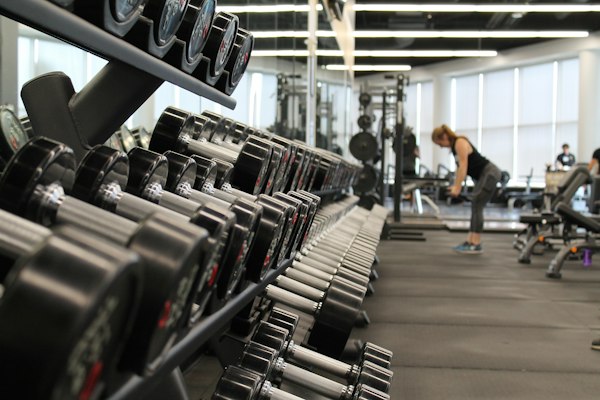
Use all six methods. Heavy commercial gyms have dumbbells with small increments (ideal for progressive load) and multiple machines (allowing exercise variation). If exact weight increments are unavailable, use rep or set progression. Gym machines are highly underrated for progression, they allow precise weight increments and are safer for heavy training.
- Progressive overload is systematically increasing training demands, the #1 driver of strength and muscle gains
- Six methods exist: increase weight, reps, sets, frequency, decrease rest time, or improve form/ROM
- Track your training to verify actual progression, without data, you cannot manage it
- Beginners progress 5 to 10% per week; intermediate 2 to 5%; advanced 0.5 to 2%, this is normal
- Avoid common mistakes: ego lifting, too much too soon, ignoring deloads, and no tracking
- Dubai's heat and Ramadan require seasonal adjustments; maintain during summer/Ramadan, progress hard in cooler months
- Personal trainers ensure scientifically-sound progression and injury prevention
- Consistency and patience beat intensity and haste, slow, steady progression wins long-term
Ready to Start Progressive Overload Training?
Find a certified strength coach to programme your progression correctly, no guesswork, no plateaus, continuous gains.
Find My Strength Coach → Browse All Trainers
✓ Free to browse · ✓ Certified professionals · ✓ Book in minutes