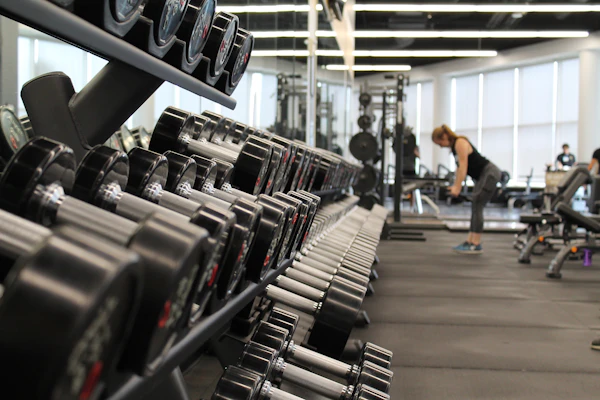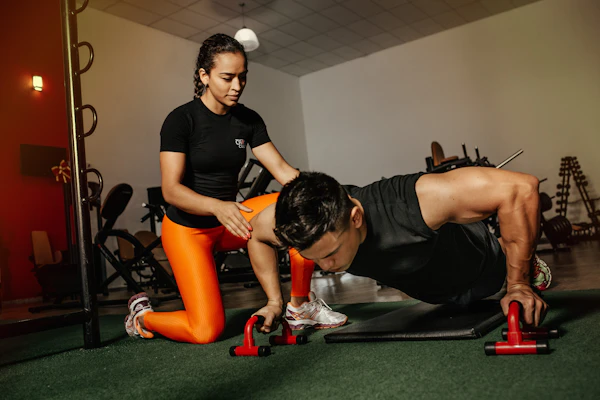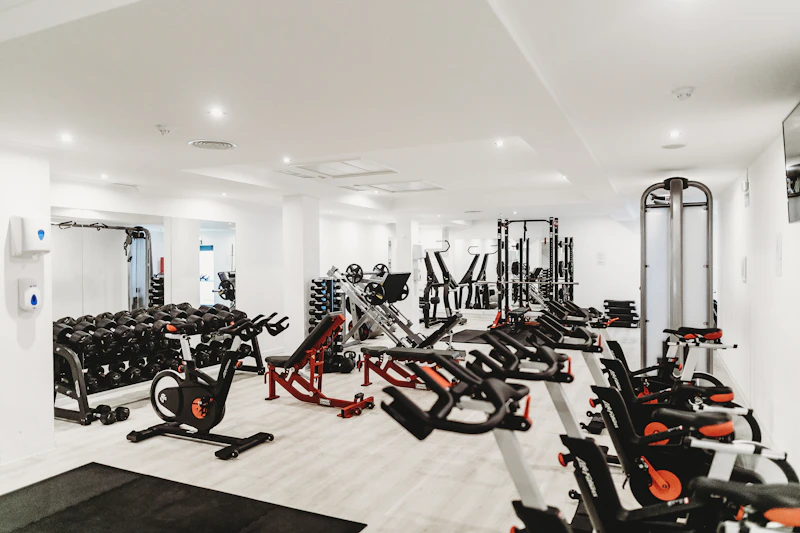
Walking into a Dubai gym as a complete beginner can feel intimidating. Rows of gleaming machines, experienced lifters moving with confidence, unfamiliar cables and levers everywhere — it is enough to send most new members straight back to the treadmill. But here is the truth: gym machines are your best friend when you are starting out. They provide structure, safety, and a clear path to building genuine strength. This complete guide explains every machine you will encounter, how to use it properly, and how to build your first week into a sustainable routine that works in Dubai's world-class gyms.
1. Why Machines Are Perfect for Beginners
Before we dive into individual machines, let us address the elephant in the room: should beginners even use machines? Absolutely. In fact, machines should be your primary focus in your first 4–8 weeks of training. Here is why.
Guided Motion Paths Keep You Safe
Unlike free weights, which require you to stabilise the weight throughout the movement, machines guide the weight along a fixed path. This means your body learns the correct movement pattern without having to balance the bar or dumbbells. For someone whose nervous system has never experienced heavy resistance, this safety margin is invaluable.
They Teach You the Right Form
Good form is everything in strength training. It determines not just how much you can lift, but whether you are actually building strength in the target muscle or just compensating with other muscles. Machines force good form because the path is predetermined — your body simply follows it.
Recovery is Easier
Free weights demand tremendous energy from your stabiliser muscles — the small muscles around your joints that keep you balanced. Machines bypass this, letting your major muscle groups do the work. This means you recover faster between sets and sessions, which is crucial when you are building a new training habit.
You Can Load Systematically
Dumbbells come in fixed weight increments. Machines typically have weight stacks where you can add or remove 2–5kg at a time. This precision is perfect for beginners because it lets you progress gradually rather than jumping from 20kg to 25kg and struggling.
Now, let us look at the machines you will actually use.
2. Cardio Machines Explained
Most beginner routines should include some cardiovascular conditioning. The good news: you probably already know how to use these machines. Here is how to use them properly as part of a structured programme.
The Treadmill
What it does: Simulates running or walking. You stand on a moving belt while holding the handrails lightly for balance.
Starting setup: Begin at a brisk walk (5–6 km/h) for 3–5 minutes to warm up. Once warm, you can increase to a light jog (8–10 km/h) or steady run (10–12 km/h) depending on your fitness. For beginners, a 20–30 minute steady-state session 2–3 times per week is ideal.
Common mistakes: Gripping the handrails too tightly (reduces arm movement and core engagement), looking down at your feet (creates neck strain), and running too fast too soon (leads to burnout and injury).
The Stationary Bike (Upright & Recumbent)
What it does: Provides low-impact cardio while seated. Upright bikes mimic outdoor cycling; recumbent bikes have a backrest for spinal support.
Starting setup: Adjust the seat so your knee is slightly bent at the bottom of the pedal stroke. Start at resistance level 3–5 (very easy) and pedal for 20–30 minutes at a sustainable pace where you can still talk.
Common mistakes: Setting the seat too high or low (causes knee pain), pedalling too hard (defeats the cardio purpose), and not adjusting the resistance as you adapt.
The Elliptical Machine
What it does: Combines the motion of running, cycling, and climbing into one smooth, low-impact movement.
Starting setup: Position the handles so your arms move naturally. Adjust resistance to moderate (level 5–7). Do a 20–30 minute session at a consistent pace. Beginners often find the elliptical easier on the joints than treadmill running.
Common mistakes: Leaning too heavily on the handles (reduces lower body work), going too fast (you should maintain steady, sustainable effort), and using it exclusively instead of mixing in other cardio.
The Rowing Machine
What it does: Full-body cardio machine that works legs, back, arms, and core in one fluid motion.
Starting setup: Sit with legs extended, feet secured in the footrests. Drive through your legs first, then pull the handle to your chest. The ratio is roughly 60% leg, 20% core, 20% arm. Start at a resistance of 5–6 and aim for steady strokes at 20–22 strokes per minute for 15–20 minutes.
Common mistakes: Starting with your arms (creates lower back strain), pulling with only your arms (misses the leg drive), and going too fast too soon (rowing is deceptively hard).
The Stair Climber
What it does: Simulates climbing stairs, working the glutes, quads, and calves intensely.
Starting setup: Maintain an upright posture. Step at a moderate pace (120–140 steps per minute) with consistent effort. Start with 10–15 minutes as the stair climber is very demanding. Gradually build to 20–30 minutes.
Common mistakes: Leaning heavily on the handrails (reduces glute activation), stepping too fast too soon (leads to premature fatigue), and expecting to see results from just 5 minutes (stair climbing requires commitment).
🏋️ Get Expert Guidance from Dubai Trainers
A qualified personal trainer can teach you proper machine form in just 2–3 sessions. Most Dubai gyms offer beginner inductions at no extra cost.
3. Upper Body Strength Machines
Upper body machines are where beginners build confidence and visible strength gains. These machines are standard in every Dubai gym — GymNation, Fitness First, and NAS all have complete sets.
The Chest Press Machine
What it does: Builds chest, shoulders, and triceps. The movement mimics pushing a weight away from your body.
Setup: Sit upright with your back against the pad. Grip the handles at roughly chest height. Your feet should be flat on the floor.
Starting weight: Beginners should start at 20–30kg. Perform 3 sets of 12–15 reps with 60–90 seconds rest between sets.
Common mistakes: Not sitting with your back fully against the seat (reduces chest activation), bouncing the weight (unsafe and reduces control), and going too heavy too soon.
The Lat Pulldown Machine
What it does: Strengthens the back (latissimus dorsi), which is crucial for posture. Mimics pulling a weight down toward your body.
Setup: Sit upright with your knees under the thigh pad. Grab the wide bar with hands slightly wider than shoulder-width. Pull the bar toward your chest, not your neck.
Starting weight: Start at 20–25kg for 3 sets of 12–15 reps.
Common mistakes: Pulling the bar behind your neck (this is outdated and increases shoulder injury risk), using momentum (swing the weight rather than controlling it), and not achieving a full range of motion.
The Seated Cable Row Machine
What it does: Builds back thickness, posterior shoulders, and biceps. Opposite movement from the chest press.
Setup: Sit upright with feet firmly planted on the footrest. Your back should be straight. Pull the handle to your chest, squeezing your shoulder blades together.
Starting weight: 25–30kg for 3 sets of 12–15 reps.
Common mistakes: Rounding your lower back (causes back strain), not retracting your shoulder blades (misses back activation), and pulling too high (you want the handle at chest height, not neck height).
The Shoulder Press Machine
What it does: Builds shoulder strength and stability. Presses weight overhead in a controlled motion.
Setup: Sit upright with your back against the pad. Feet flat. Grip the handles at shoulder height. Press upward until your arms are nearly straight (not locked).
Starting weight: 15–20kg for 3 sets of 12–15 reps. This is surprisingly demanding.
Common mistakes: Arching your lower back excessively (reduce the weight if you need to arch to complete the rep), pressing with your neck forward (decreases shoulder activation), and locking your elbows completely (increases joint stress).
4. Lower Body Strength Machines
Lower body strength is critical for everyday function — climbing stairs, carrying groceries, playing with kids. Machines make this safe and accessible.
The Leg Press Machine
What it does: Builds quads, glutes, and hamstrings. You push a weighted platform away from your body while seated.
Setup: Sit with your back and head against the pad. Feet on the platform about shoulder-width apart. Lower the weight by bending your knees until they are at roughly 90 degrees. Push back to the starting position without locking your knees.
Starting weight: Beginners can often handle 60–80kg here (machines are forgiving). 3 sets of 12–15 reps.
Common mistakes: Lowering too deep so your lower back rounds off the pad (increases injury risk), locking your knees at the top (stresses the joint), and placing feet too low on the platform (shifts stress to knees rather than glutes).
The Leg Extension Machine
What it does: Isolates the quadriceps. You straighten your legs by lifting a weight while seated.
Setup: Sit upright. Position the pad against the front of your shins. Extend your legs upward in a controlled motion until nearly straight, then lower with control.
Starting weight: 20–30kg for 3 sets of 12–15 reps.
Common mistakes: Locking your knees completely (joint stress), jerking the weight up (momentum over muscle), and not controlling the descent (you should take 2–3 seconds lowering).
The Leg Curl Machine
What it does: Isolates the hamstrings (back of thigh). You bend your legs by lifting a weight with your heels while lying down.
Setup: Lie face-down with the pad against the back of your ankles. Curl your legs upward, bringing your heels toward your glutes, then lower with control.
Starting weight: 20–25kg for 3 sets of 12–15 reps.
Common mistakes: Lifting your hips off the pad (creates lower back strain), moving too fast (use controlled tempo), and not achieving a full range of motion.
The Hip Abductor & Adductor Machines
Abductor: Strengthens the outer hip and glute medius. You push your legs apart against resistance.
Adductor: Strengthens the inner thigh. You bring your legs together against resistance.
Starting weight: 30–40kg for 3 sets of 15–20 reps on each machine.
Note: These are not primary strength builders but valuable for hip stability and injury prevention. Include them 1–2 times per week.
5. Cable Machines & Functional Training
Cable machines offer incredible versatility. A single cable column can be adjusted to hundreds of different exercises, making it the most functional piece of equipment in the gym.
The Cable Column: A cable machine consists of a weight stack with an adjustable pulley that you can position at different heights — high, middle, or low.
Common Cable Exercises for Beginners
- Cable Chest Fly: Stand in the middle of the cable station with both cables at shoulder height. Pull the handles together in front of your chest. 3 sets of 12–15 reps, 15–20kg per side.
- Cable Woodchop: Stand sideways to the cable with it at mid-height. Rotate your torso, pulling the handle diagonally across your body. Excellent for core and obliques. 3 sets of 12 reps per side, 15–20kg.
- Cable Pushdown (Triceps): Stand facing the cable with the rope attachment at shoulder height. Push downward to straighten your arms. 3 sets of 12–15 reps, 15–20kg.
- Cable Bicep Curl: Stand facing the cable with the handle at hip height. Curl the weight upward. 3 sets of 12–15 reps, 15–20kg.
One of the best cable articles is our complete cable machine workout guide, which covers advanced techniques as you progress.
6. Machines vs. Free Weights: When to Use Each
A common misconception is that machines are "inferior" to free weights. The truth is more nuanced — each has a role.
✅ When to Use Machines
- Your first 4–8 weeks of training
- Learning the basic movement patterns
- If you are recovering from injury
- When training without a spotter
- For isolation work (targeting one muscle)
- To build confidence in the gym
⚡ When to Progress to Free Weights
- After 4–8 weeks on machines
- You understand basic movement patterns
- You have built foundational strength
- When a trainer can supervise early sessions
- For compound movements (engaging multiple muscles)
- To increase training versatility
For detailed guidance on free weight training, see our articles on dumbbell training and barbell training for beginners.
7. Gym Etiquette & Machine Safety
Being a good gym citizen matters. Dubai gyms are busy and respectful places. Here is how to behave professionally.
Machine Safety Rules
- Adjust the machine to fit your body: Take 30 seconds to adjust seat height, back pad position, and handle distance. Wrong adjustments cause injury and reduce effectiveness.
- Use a controlled tempo: Lift the weight in 2 seconds, pause for 1 second, and lower over 2–3 seconds. No bouncing, no jerking.
- Respect the weight stack: Ensure the pin is securely in the weight you want. Loose pins cause sudden shifts in resistance.
- Wipe down after use: Every machine should be wiped down with a towel. Most gyms have antibacterial spray and paper towels available.
- Return weights to the stack: Never leave a machine with the weight plate off or the pin in the wrong position.
- Do not talk loudly on machines: This is not the time for long conversations. A quick "how many sets do you have?" is fine. Extended socialising should be off the machines.

8. Your First 3-Day Machine Routine
Here is a practical 3-day routine you can start this week. This routine can be done at any Dubai gym with standard machines. Perform this routine Monday, Wednesday, Friday with at least one rest day between sessions.
Day 1: Chest & Back Focus
| Exercise | Sets x Reps | Starting Weight | Rest Between Sets |
|---|---|---|---|
| Treadmill Warm-up | 1 x 5 min | Brisk walk/light jog | N/A |
| Chest Press Machine | 3 x 12 | 25kg | 90 sec |
| Lat Pulldown | 3 x 12 | 20kg | 90 sec |
| Seated Cable Row | 3 x 12 | 25kg | 90 sec |
| Cable Chest Fly | 3 x 12 | 15kg each side | 60 sec |
| Rowing Machine | 1 x 15 min | Resistance 5 | N/A |
Day 2: Legs & Core
| Exercise | Sets x Reps | Starting Weight | Rest Between Sets |
|---|---|---|---|
| Stationary Bike Warm-up | 1 x 5 min | Easy pace | N/A |
| Leg Press Machine | 3 x 12 | 70kg | 90 sec |
| Leg Extension | 3 x 12 | 25kg | 60 sec |
| Leg Curl Machine | 3 x 12 | 20kg | 60 sec |
| Hip Abductor | 2 x 15 | 35kg | 60 sec |
| Stair Climber | 1 x 15 min | Moderate pace | N/A |
Day 3: Shoulders & Arms
| Exercise | Sets x Reps | Starting Weight | Rest Between Sets |
|---|---|---|---|
| Elliptical Warm-up | 1 x 5 min | Easy pace | N/A |
| Shoulder Press Machine | 3 x 12 | 18kg | 90 sec |
| Cable Pushdown (Triceps) | 3 x 12 | 17kg | 60 sec |
| Cable Bicep Curl | 3 x 12 | 17kg | 60 sec |
| Cable Lateral Raise | 3 x 12 | 12kg each side | 60 sec |
| Rowing Machine | 1 x 20 min | Resistance 5 | N/A |
Important: These weights are starting points. If a weight feels too easy, increase by 5kg next session. If it is too hard, drop by 5kg. Progress is not about ego — it is about consistent, sustainable improvement.
9. Common Beginner Mistakes to Avoid
- Starting too heavy. Most beginners lift 50–100% more than they should. Week 1 discomfort leads to Week 2 soreness that prevents Week 3 consistency. Start light and progress.
- Skipping the warm-up. Five minutes on a cardio machine before strength training prepares your nervous system and joints. It only takes 5 minutes but prevents injury.
- Not adjusting the machine to your body. Machines have adjustment settings. Use them. If the handles do not align with your body, the movement feels wrong and you get injured.
- Doing too much volume too fast. Three days a week with 4–5 exercises per day is perfect for beginners. Twelve days a week leaves no time for recovery. You build muscle during rest, not during the workout.
- Inconsistency. Training three days one week and one day the next destroys progress. Commit to three sessions per week, every week, for 8 weeks minimum before expecting visible results.
- Ignoring nutrition. You cannot out-train a bad diet. Beginners often expect machines alone to deliver results without adjusting what they eat. Read our nutrition guide to optimise eating.
- Not tracking progress. Keep a simple notebook noting what weight and how many reps you did each session. Without tracking, you do not know if you are actually progressing.
- Comparing yourself to experienced lifters. The person squatting 200kg on the leg press has been training for years. You are in Week 1. Do not let their strength intimidate you — everyone started where you are.
10. Frequently Asked Questions: Gym Machines for Beginners
How much weight should a beginner start with on machines?
A good rule: if you cannot complete 12 reps with good form, the weight is too heavy. Start with a weight where you can comfortably do 12–15 reps with perfect form. In your first week, this might feel very light — that is the point. Your body is learning the movement, not testing maximum strength yet.
How often should I train as a beginner?
Three days per week is ideal for beginners. This provides enough stimulus to build strength while giving your body adequate recovery time. More than three days is often counterproductive because you do not recover properly. Less than three days means insufficient stimulus. After 8–12 weeks, you can consider increasing to four days per week.
Can I use machines if I am recovering from injury?
Yes, with caution. Machines are actually excellent for injury rehabilitation because of their guided motion and adjustability. However, you must work with a physiotherapist or qualified trainer first to ensure the movement does not re-aggravate the injury. Many Dubai physiotherapy clinics recommend machines as part of rehabilitation protocols.
Should I use machines or free weights first?
Always machines first. Machines teach you movement patterns in a safe environment. After 4–8 weeks, introduce free weights gradually. Most structured programmes combine both — machines for safety and isolation, free weights for functional strength. See our complete strength training guide for beginners.
How long before I see results from machine training?
Energy and confidence improvements appear within 2–3 weeks. Visible muscle definition typically appears within 6–10 weeks of consistent training combined with reasonable nutrition. Strength gains (ability to lift more weight) appear within 2–3 weeks. Remember: the first 6 weeks are about building a habit, not chasing results.
What is the best gym in Dubai for beginners?
GymNation, Fitness First, and NAS Sports Club all have excellent beginner-focused programmes. GymNation (AED 99–149/month) is the most affordable and very beginner-friendly. Fitness First (AED 350–500/month) has premium facilities and expert staff. NAS (AED 400–600/month) is particularly good for strength training. See our guide to the best gyms for beginners in Dubai for full comparisons.
Should I hire a personal trainer to learn machines?
Not essential, but highly valuable. Most gyms provide an induction session at no cost. If you want accelerated learning and personalised programme design, hiring a trainer for 3–4 sessions (AED 250–500 per session) to teach you proper form is excellent value. After that, you can train independently. Browse personal trainers in Dubai who specialise in beginner strength training.
Ready to Start Your Machine Training Journey?
Join thousands of Dubai fitness beginners who have transformed their strength and confidence using gym machines. Get expert guidance from a qualified trainer to accelerate your progress and avoid common mistakes.
- Machines are perfect for beginners — they are safe, teach proper form, and require less stabiliser muscle activation
- Start with very light weights (50% of what you think you can lift) — Week 1 discomfort leads to Week 2 soreness that kills consistency
- Cardio machines (treadmill, bike, elliptical, rower) provide excellent conditioning for a complete programme
- Upper body strength (chest press, lat pulldown, rows, shoulder press) is crucial for posture and functional strength
- Lower body training (leg press, extensions, curls) builds the largest muscles and burns the most calories
- Cable machines offer incredible versatility and should be part of every beginner's routine
- Follow the 3-day routine provided — consistency matters more than perfection
- Expect visible progress within 6–10 weeks with consistent training and reasonable nutrition
- Dubai gyms offer excellent beginner support — use the induction services provided
- Most importantly: track your progress and trust the process. Results come to those who show up consistently