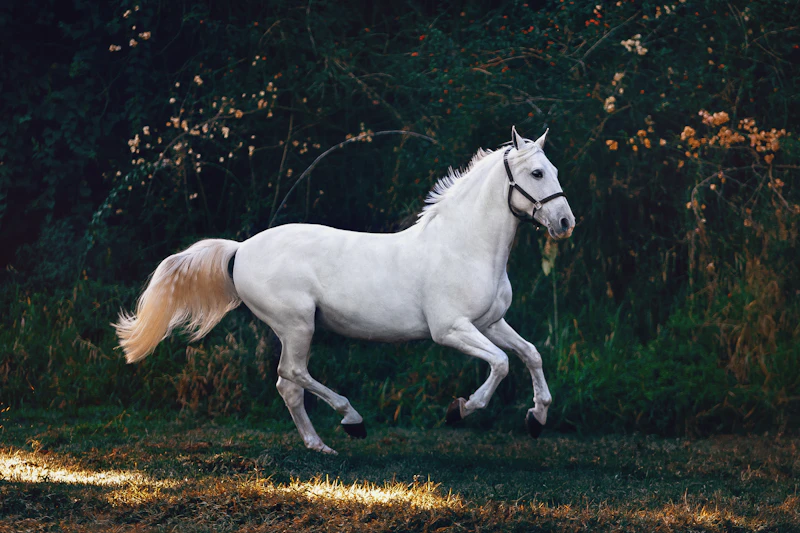
Introduction: Equestrian Heritage & Modern Sport in Dubai
Horse riding holds a special place in Dubai's cultural identity. For centuries, Arabian horses were integral to Bedouin life, essential for desert navigation, trade, and survival. Today, this heritage thrives through competitive equestrian sports and recreational riding experiences that blend tradition with modern fitness and wellness. Dubai's equestrian scene has evolved into a world-class destination, hosting international competitions and offering premium facilities for riders of all levels.
Whether you're seeking a challenging cardiovascular workout, a serene connection with nature, or competitive sport, horse riding in Dubai delivers on all fronts. The city's prime location—bordered by desert landscapes and strategic equestrian centres—makes it an ideal hub for riders who want to combine athletic training with the tranquility of outdoor recreation. This guide explores the best riding centres, lesson options, costs, competitive opportunities, and the profound fitness and wellness benefits of equestrian training.
The Physical Fitness Benefits of Horse Riding
Horse riding is far more demanding physically than many people realise. When you're in the saddle, your entire body is engaged in a dynamic exercise that builds strength, endurance, flexibility, and proprioceptive awareness. Understanding these benefits helps explain why equestrian training is increasingly recognised as legitimate athletic conditioning.
Core Engagement & Stability
Every movement your horse makes—walk, trot, canter, gallop—requires your core muscles to stabilise your body. Your abdominal muscles, lower back, and obliques work continuously to maintain proper posture and absorb the horse's motion. This dynamic stabilisation is far more effective than static core work because it demands real-time proprioceptive adjustment. Advanced riders develop exceptional core strength comparable to dedicated fitness athletes.
Inner Thigh & Hip Strength
Gripping the horse with your legs to maintain position and control builds intense inner thigh strength. The adductors, located on the inside of the thigh, are constantly engaged during riding. This targeted work strengthens muscles that often receive inadequate attention in typical gym training, improving hip stability and reducing injury risk in other sports. Many riders report improved thigh definition and power after consistent training.
Balance & Proprioception
Staying centred on a moving animal demands exceptional balance and body awareness. Your nervous system must constantly monitor your position relative to the horse's movement, making micro-adjustments in real time. This proprioceptive development enhances athletic performance across all disciplines and can significantly improve injury resilience. The cerebellum—your brain's centre for balance—becomes notably more efficient with regular riding.
Posture & Spinal Health
Classical riding technique emphasises upright, aligned posture with shoulders back and spine neutral. Consistent training ingrains excellent postural habits that carry over into daily life, reducing back pain and improving overall spinal health. This is particularly valuable for office workers and those suffering from poor posture-related conditions. The postural demands of riding develop back extensors and upper back muscles that are often weakened by sedentary work.
Cardiovascular Conditioning
Riding at faster gaits—particularly canter and gallop—elevates your heart rate into training zones similar to running or cycling. Extended desert trail rides in Dubai can provide Zone 2 and Zone 3 cardio training, building aerobic capacity and cardiovascular resilience. The variable nature of riding (alternating between walk, trot, and faster gaits) creates interval-like conditioning effects.
Mental Wellness & Stress Relief
The profound connection between rider and horse creates a meditative state that significantly reduces cortisol and stress hormones. The animal's presence, the rhythmic motion, and the focus required to ride effectively induce a flow state similar to meditation. Many riders report improved mental clarity, reduced anxiety, and enhanced emotional resilience. The discipline required to work with such a large, powerful animal builds psychological confidence that extends beyond riding.
Top Equestrian Centres in Dubai
Dubai and surrounding emirates offer several world-class equestrian facilities. Each centre has distinct characteristics, specialisations, and price points. Here are the premier options:
Emirates Equestrian Centre (Abu Dhabi)
Located near the Abu Dhabi border—approximately 45 minutes from central Dubai—the Emirates Equestrian Centre is one of the most prestigious facilities in the region. The centre offers professional coaching in show jumping, dressage, eventing, and western disciplines. Their horses are meticulously maintained, and lessons are conducted by FEI-certified instructors. This facility is ideal for serious riders seeking competition preparation.
Jebel Ali Equestrian Club
Situated in the Jebel Ali area of southern Dubai, this club provides both recreational and competitive riding opportunities. They offer lessons for beginners through advanced riders, maintain livery facilities, and host regular competitions. Their arena facilities are excellent, and the coaching staff is experienced in working with riders of all levels. The location is convenient for many South Dubai residents.
Dubai Polo & Equestrian Club
This premium facility combines polo, dressage, show jumping, and recreational riding. Located in the Meadows area, it's one of Dubai's most exclusive equestrian venues. The club hosts international polo tournaments and offers coaching from world-class instructors. Membership is required, and costs reflect the elite standard of the facility. This is ideal for experienced riders and those interested in polo.
Desert Palm Equestrian
Nestled in a more remote desert setting, Desert Palm offers a unique experience with emphasis on trail riding and desert experiences. They provide lesson packages, horse hire for experienced riders, and guided sunset/sunrise rides through pristine desert landscapes. This facility is perfect for those seeking adventure and connection with Dubai's natural environment alongside riding instruction.
Al Habtoor Polo Resort
Al Habtoor is synonymous with polo in Dubai, hosting the prestigious Dubai Gold Cup and other major tournaments. Beyond polo, the resort offers top-tier coaching in various disciplines, livery services, and facilities that meet international standards. The venue regularly hosts world-class players and instructors, making it ideal for serious competitors.
Sharjah Equestrian Club
Just a short drive from Dubai (approximately 30-40 minutes), Sharjah Equestrian Club offers excellent facilities at slightly lower prices than some central Dubai options. They provide lessons, training packages, and competitive opportunities. The facility is well-maintained and the coaching is professional. Sharjah remains a viable option for Dubai residents seeking good value.
Beginner Riding Lessons: What to Expect
If you've never ridden before, your first experience should be with a qualified instructor at a reputable facility. Professional facilities always prioritise safety and proper foundational technique. Here's what a typical beginner lesson entails:
Initial Assessment & Mounting: Your instructor will assess your fitness level and any physical limitations. You'll learn proper mounting technique—a skill that seems simple but requires correct form to avoid injury and establish the right relationship with the horse. The instructor will ensure your stirrup length is correct, your seat is secure, and your position is balanced.
The Four Gaits: You'll progress through walk, trot, canter, and potentially gallop. Each gait requires different balance, leg position, and hand coordination. Walk is the most relaxed and allows you to focus on basic balance. Trot is more challenging—the two-beat diagonal motion requires you to find rhythm with the horse. Canter is smoother and faster, introducing you to the flowing motion of three-beat rhythm. Most beginners need 4-8 lessons before attempting canter.
Safety Emphasis: Professional instructors will continuously reinforce safety—proper helmet fit, emergency dismounting, how to respond if a horse spooks, and ground handling procedures. Never skip helmet wearing, regardless of your experience level. Modern riding helmets are protective equipment designed to save lives.
Fitness Challenge: Many newcomers are surprised by the physical demand. Your legs will likely be fatigued after your first lessons, and you may feel soreness in muscles you didn't know you had. This is completely normal and improves rapidly as your body adapts.
Trial Session Cost: Most facilities offer introductory trial sessions ranging from AED 150–250, allowing you to experience riding without significant financial commitment. These sessions are often 45–60 minutes including pre-ride instruction and post-ride feedback.
Lesson Packages & Membership Costs
Equestrian training costs vary significantly depending on the facility, instructor level, and lesson type. Here's a comprehensive breakdown of typical pricing in Dubai:
| Lesson Type / Package | Duration | Typical Cost (AED) |
|---|---|---|
| Single Trial Lesson (beginner) | 45-60 min | 150–250 |
| Single Group Lesson (4-6 riders) | 60 min | 180–300 |
| Single Private Lesson | 45-60 min | 350–600 |
| 4-Lesson Package (group) | 4 × 60 min | 600–1,000 |
| 8-Lesson Package (group) | 8 × 60 min | 1,100–1,800 |
| Monthly Unlimited Group Lessons | Unlimited access | 800–1,400 |
| 4-Lesson Package (private) | 4 × 60 min | 1,200–2,000 |
| Monthly Unlimited Private Lessons | Unlimited access | 2,000–3,500 |
| Full Livery (horse boarding per month) | 24/7 care | 2,500–5,000 |
| Part Livery (shared care) | Daytime care | 1,200–2,500 |
Monthly Membership: Premium facilities like Dubai Polo & Equestrian Club may require membership fees (AED 3,000–10,000+) plus lesson costs. Al Habtoor Polo Resort similarly operates on a membership model. These memberships provide access to facilities, priority booking, and sometimes discounted lessons.
Livery Services: If you own a horse or are leasing one long-term, livery costs are significant. Full livery (where the facility provides all care) ranges from AED 2,500–5,000 monthly depending on facility standard. Part livery—where you provide some care yourself—is typically AED 1,200–2,500. These costs include feed, water, veterinary care, and facility access.
Children's Riding Lessons & Pony Camps
Equestrian training is wonderful for children, developing confidence, responsibility, discipline, and physical fitness. Most facilities accommodate children from age 4 onwards, though riding maturity varies by individual.
Typical Costs
- Single group lesson (children): AED 100–200
- Single private lesson (children): AED 250–400
- 4-lesson package: AED 350–700
- Monthly unlimited group lessons: AED 600–1,000
- Summer pony camps (2-week intensive): AED 3,500–6,000
Pony Camps & Summer Programmes
Many Dubai facilities offer summer pony camps during school holidays. These typically run 2–4 weeks, with children attending daily morning sessions. Camps include riding lessons, horse care education, ground handling, basic first aid, stable management, and often culminate in a show or demonstration. Costs range from AED 3,500–6,000 for a two-week programme. These camps are excellent for building confidence and developing genuine horsemanship skills beyond just riding technique.
Safety for Children
Reputable facilities enforce strict safety protocols for young riders: properly fitted helmets, mounting blocks to prevent falls, smaller horses suitable for children's size and experience, and close instructor supervision. Parental observation is typically welcome, allowing you to monitor your child's progress and ensure they're comfortable.
Desert Horse Riding Experiences
Beyond formal riding lessons, Dubai offers memorable desert riding experiences that combine fitness training with adventure and natural beauty. These guided rides are suitable for riders with basic experience and provide a completely different dimension to equestrian activity.
Sunrise & Sunset Trail Rides
Several operators offer guided rides through Dubai's desert, typically departing early morning (around 6 AM) or late afternoon (3–4 PM) to avoid peak heat. These rides usually last 60–90 minutes and traverse varied terrain—sand dunes, rocky outcrops, and wadi beds. The physical demand is moderate to high as you manage your horse through sandy, uneven terrain while maintaining balance and control. Costs range from AED 200–350 per ride.
Hatta Mountain Rides
For more advanced riders, guided rides in the Hatta mountains (approximately 90 minutes from Dubai) offer spectacular scenery and greater physical challenge. These rides traverse rocky trails with elevation changes and require solid riding ability. The breathtaking mountain landscape, cooler temperatures than the desert, and challenging terrain make Hatta rides highly rewarding. Expect to pay AED 300–500 for a 2–3 hour ride, often including transportation from Dubai.
Wadi Rides & Water Crossings
Some operators offer wadi (valley) rides that include water crossings, banks, and technical terrain. These rides build confidence and horse-sense skills as you navigate natural obstacles. They're particularly popular in cooler months (October–April) when wadis may have flowing water. Physical demand is high, and basic to intermediate riding ability is required.
Competitive Equestrian Sports in Dubai
Dubai has become a hub for competitive equestrianism at international standards. If you progress beyond recreational riding, numerous competitive pathways exist.
Show Jumping
Show jumping competitions are held regularly at various facilities. Riders and horses navigate courses of fences and obstacles, scoring based on clear rounds, time, and consistency. Competition levels range from beginner classes (small jumps, forgiving courses) to advanced Grand Prix events. Dubai hosts regional and international show jumping competitions, particularly during winter months when visiting international riders compete. Training with a qualified show jumping coach is essential for competitive success.
Dressage
Dressage—often described as "dancing with horses"—emphasises precise, elegant movement and harmony between rider and horse. Competitors perform set movements in a rectangular arena, judged on execution, balance, and beauty. Dubai hosts regular dressage competitions across all levels. Dressage training develops exceptional horsemanship and is valuable even for riders focused on other disciplines. Many riders find dressage the most challenging but rewarding competitive discipline.
Polo
Dubai is world-famous for polo. The Dubai Gold Cup tournament is one of international polo's most prestigious events, attracting top players globally. Al Habtoor Polo Resort and Dubai Polo & Equestrian Club are the primary competition venues. Polo requires aggressive horsemanship, hand-eye coordination, and excellent fitness. Learning polo typically requires prior riding experience and significant commitment. Beginner polo lessons are available but expect intensive training.
Endurance Riding
Endurance competitions test horse and rider fitness over long distances (50–160 km) across natural terrain. The UAE hosts several endurance events annually. These competitions require dedicated training but offer an incredible challenge for serious riders. Endurance riding builds exceptional cardiovascular fitness and deep horsemanship.
What to Wear for Horse Riding
Proper attire isn't just about tradition—it's about safety, comfort, and function. Here's what you need:
- Helmet: Non-negotiable safety equipment. Invest in a certified helmet (ASTM, PAS 015, or similar standard). Costs range AED 250–600. Your life depends on it.
- Riding Jacket or Shirt: Breathable, close-fitting clothing that doesn't restrict movement. In Dubai heat, lightweight fabrics are essential. AED 150–400.
- Riding Breeches: Fitted trousers designed to prevent chafing and provide grip. Quality matters for comfort on longer rides. AED 200–500.
- Riding Boots: Proper riding boots provide ankle support and prevent your foot slipping through the stirrup. Tall boots (covering the calf) or short boots with chaps are common. AED 300–800.
- Gloves: Essential for grip and protection, especially in hot weather when sweating increases slipperiness. AED 80–200.
- Underwear & Socks: Seamless synthetic materials prevent chafing. AED 50–150 per pair.
- Chaps (optional): Provide additional leg protection and grip. Useful for desert riding and longer sessions. AED 150–400.
Most facilities loan helmets for lessons, though many riders eventually buy their own. For casual recreational riding, facilities may allow casual riding apparel. For competitive riding or regular training, proper attire is essential for both safety and performance.
Safety Tips for Beginning Riders
Horse riding carries inherent risks. Minimise these through proper technique and awareness:
- Always wear a helmet: No exceptions. Riding accidents happen to all riders, from beginners to professionals.
- Ride only with qualified instructors: Never attempt independent riding without proper supervision initially.
- Understand basic horse behaviour: Horses spook at unexpected stimuli. Your instructor will teach you safe responses.
- Maintain proper posture: Good position prevents strain and allows you to stay secure when unexpected movement occurs.
- Respect the horse's limits: Never force a horse beyond its comfort zone. Horses communicate discomfort through behaviour.
- Warm up and cool down: Don't jump straight into faster gaits. Proper warm-up prepares the horse's muscles and your balance.
- Keep emergency numbers: Know the facility's emergency protocol and have relevant contact numbers.
- Stay hydrated: Dubai heat is intense. Bring water and drink regularly, even in cooler months.
- Report physical limitations: Tell your instructor about any injuries, mobility issues, or physical concerns before your lesson.
- Never ride after alcohol consumption: You need full coordination and decision-making ability while riding.
Are you an equestrian instructor or coach in Dubai?
List your riding lessons, coaching services, or stable facilities on GetFitDXB and connect with hundreds of fitness enthusiasts looking for equestrian training.
List Your Equestrian ServicesHorse Care & Stable Volunteering Opportunities
Beyond riding, many facilities welcome volunteers interested in horse care and stable management. Volunteering offers:
- Hands-on horse care education: Learn grooming, tacking up, feeding, and basic veterinary care.
- Reduced lesson costs: Many facilities offer discounted lessons in exchange for volunteer hours.
- Deeper horse understanding: Time around horses builds genuine horsemanship that directly improves your riding.
- Physical fitness: Stable work is surprisingly demanding—mucking stalls, carrying hay and water, and grooming are genuine cardiovascular activities.
- Community connection: Meet other horse enthusiasts and become part of the equestrian community.
Contact your local equestrian facility directly to ask about volunteer opportunities. Most have formal volunteer programmes, particularly during peak seasons.
Equine Therapy & Mental Health Benefits
Beyond physical fitness, equestrian activity delivers profound mental health benefits. Equine therapy—structured therapeutic riding programmes—is increasingly recognised by mental health professionals as effective intervention for anxiety, depression, PTSD, and trauma.
Why Horses Heal
Horses are incredibly perceptive animals sensitive to human emotions and nervous system states. Research shows that being around horses reduces cortisol (stress hormone), decreases heart rate variability, and increases oxytocin (bonding hormone). The animal's large, calm presence is inherently soothing. The responsibility of caring for and controlling such a large animal builds psychological confidence. The focus required to ride effectively shifts attention away from anxiety and rumination—essentially creating mindfulness through engagement with the horse.
Therapeutic Riding Programmes
Some Dubai facilities now offer structured therapeutic riding for individuals managing mental health conditions, trauma, or emotional challenges. These programmes differ from recreational riding by emphasising the therapeutic relationship with the horse. Sessions often include groundwork (working with the horse without riding), grooming, and therapeutic riding with specific psychological goals. If you're interested in equine therapy, discuss this with your facility's instructors—they can potentially adapt your programme to include therapeutic elements.
Even recreational riding delivers these mental health benefits. Many riders report that their most challenging depression, anxiety, or stress episodes improved significantly after beginning regular equestrian training. The combination of physical activity, fresh air, animal connection, and skilled focus creates a potent therapy that complements professional mental health care.
Combining Equestrian Training with Other Fitness Modalities
Horse riding complements other outdoor training and fitness approaches beautifully. Consider:
- Strength training: Complement riding with targeted core work, leg strengthening, and upper back training to improve performance.
- Flexibility work: Yoga and stretching improve hip and hamstring flexibility, enhancing riding comfort and effectiveness.
- Cardiovascular training: Running or cycling supplements equestrian training, building additional aerobic capacity.
- Recovery activities: Massage, foam rolling, and wellness retreats aid recovery from the physical demands of riding.
- Nutrition focus: Riders benefit from structured nutrition planning to fuel both riding sessions and recovery.
Frequently Asked Questions About Horse Riding in Dubai
What age can children start riding lessons?
Most facilities accept children from age 4 onwards, though riding readiness varies by individual maturity and coordination. Some children as young as 3 can begin, while others benefit from waiting until age 5–6. Speak with facility staff about your child's readiness. Pony clubs and group classes are ideal starting points for young riders.
How long does it take to become a competent rider?
Basic competence—comfortable walking and trotting with a qualified instructor, demonstrating balance and basic control—typically takes 10–15 group lessons over 2–3 months of regular training. Cantering usually requires 15–20 lessons. Independent riding and intermediate skills take 6–12 months of consistent training. Advanced skills and competition readiness require 1–3 years or more, depending on natural ability and training frequency.
Is horse riding safe for older adults or people with mobility limitations?
Yes, within appropriate limitations. Riding can improve mobility, balance, and strength in older adults. Individuals with arthritis, previous injuries, or mobility concerns should discuss their specific situation with riding instructors. Modified lessons focusing on walk and gentle gaits can be highly beneficial. However, individuals with severe balance disorders, certain spinal conditions, or unstable health should obtain medical clearance before beginning.
Do I need to own a horse to ride regularly?
Absolutely not. Most recreational riders lease or ride facility horses. Owning a horse in Dubai is expensive (purchase price AED 20,000–500,000+, plus livery and care costs). Leasing a horse is more affordable (AED 2,000–4,000 monthly) and provides more control over your training schedule. Most beginners benefit from riding various horses with facility instructors before considering ownership or leasing.
What's the difference between English and Western riding?
English riding (dressage, show jumping, eventing) emphasises a balanced seat, lightweight contact with the horse's mouth, and precise control. Western riding (typically recreational, ranch-based) uses heavier saddles, looser reins, and a deeper seat. Dubai facilities primarily teach English disciplines, though some offer Western instruction. English is generally recommended for beginners as it develops finer horsemanship skills.
Expand Your Dubai Fitness Journey
Horse riding is just one incredible fitness avenue available in Dubai. Explore expert trainers who can develop comprehensive fitness plans combining equestrian training with complementary modalities. Discover fitness classes that build the strength and flexibility that enhance riding performance. Check out outdoor training options that pair beautifully with equestrian activity, and investigate wellness retreats for recovery and rejuvenation after intense riding sessions. For mental health support alongside your physical training, learn about fitness and mental health.
Ready to transform your fitness through equestrian training? Join GetFitDXB today to connect with riding instructors, discover the best facilities, and begin your equestrian journey. Whether you're seeking competitive coaching, recreational lessons, or transformative wellness through horses, Dubai's equestrian community awaits.
Final Thoughts: The Transformative Power of Horses
Horse riding transcends typical fitness activity. It's a complete system—physical conditioning, mental wellness, skill development, and spiritual connection intertwined. Dubai's unique blend of desert landscape, world-class facilities, and equestrian heritage makes it an exceptional location to discover or deepen your equestrian journey. Whether you ride competitively, recreationally, or therapeutically, the horse offers lessons about presence, responsibility, courage, and partnership that extend far beyond the stable.
Begin with a single trial lesson. Feel the horse beneath you, experience that profound balance challenge, sense the animal's presence and power. Most riders report that this first experience changes them—opening a dimension of fitness and wellness they never anticipated. Dubai awaits. The saddle is ready.