Horse riding in Dubai is far more than a recreational activity — it's one of the most comprehensive full-body fitness experiences available, combining cardiovascular conditioning, core strength, balance development, and mental wellbeing in a single sport. Whether you're exploring Dubai's desert trails, training for competition, or seeking a holistic alternative to traditional gym workouts, equestrian fitness offers unparalleled benefits rooted in 2,000+ years of horsemanship tradition. This complete guide covers everything you need to know about getting started with horse riding in Dubai, from finding the right riding school to understanding the physical and mental transformation it delivers.
In This Guide
- Introduction to Equestrian Fitness in Dubai
- Fitness Benefits of Horse Riding
- Best Riding Schools in Dubai
- Beginner Lessons & Getting Started
- Complementary Fitness Training for Riders
- Competition & Dressage in Dubai
- Seasonal Riding & Dubai Climate
- Costs, Equipment & Horse Livery
- Frequently Asked Questions
Introduction to Equestrian Fitness in Dubai
Dubai has emerged as a premier equestrian destination in the Middle East, with a vibrant riding community spanning from casual recreational riders to professional athletes competing at international levels. The emirate's equestrian culture is deeply rooted in Emirati heritage — horse riding has been integral to Arab identity for millennia — and modern facilities now blend traditional horsemanship with contemporary training methodologies and sports science.
The fitness benefits of riding have been scientifically validated for decades. A single hour of riding engages over 600 muscles, burns 300–500 calories depending on the discipline, and builds functional strength that translates directly to improved athletic performance across all domains. Unlike isolated gym exercises, equestrian fitness develops the entire kinetic chain — core, legs, glutes, back, shoulders, and even grip strength — while simultaneously enhancing proprioception, balance, and coordination.
Dubai's strategic location, modern facilities, and year-round access to professional instruction make it an ideal location to develop serious equestrian skills. The city boasts multiple world-class riding schools, a thriving competitive circuit, and access to diverse riding environments from sand arenas to coastal trails.
Fitness Benefits of Horse Riding
Core Strength & Stability
Maintaining proper posture and balance on a horse requires constant micro-adjustments from your core musculature. Riding engages your transverse abdominis, rectus abdominis, obliques, and deep spinal stabilizers in ways that static ab exercises cannot replicate. The dynamic, unstable surface of the horse's back forces your core to work continuously, building functional stability that improves your posture, reduces back pain, and enhances performance in every other sport and activity.
Leg & Glute Strength
Every stride of the horse requires active engagement from your leg muscles to maintain position and communicate with your mount. Riding develops exceptional strength in your quadriceps, hamstrings, glutes, and hip stabilizers. Extended training sessions at various gaits — walk, trot, canter, and gallop — build muscular endurance and explosive power. Riders often experience dramatic improvements in leg tone and strength within weeks of regular training.
Balance & Proprioception
The constant adjustment required to stay balanced on a moving horse trains your vestibular system and proprioceptors with unmatched effectiveness. This translates to improved balance in daily life, enhanced athletic performance across all sports, and reduced injury risk from falls and accidents. Young riders particularly benefit from this development, which establishes neural pathways for life.
Cardiovascular Fitness
Cantering and galloping provide excellent cardiovascular conditioning equivalent to running or cycling, yet with significantly lower impact on joints. Riders can achieve heart rate zones conducive to fat burning and aerobic fitness while remaining supported by the horse, making it an excellent option for those with joint concerns or those seeking lower-impact alternatives to running.
Posture & Spinal Alignment
Proper riding technique requires correct spinal alignment, shoulder positioning, and head carriage. Regular riding naturally corrects postural deviations and builds awareness of body position. Many riders report improved posture in daily life after consistent equestrian training, reducing neck and shoulder tension from desk work and improving respiratory function.
Mental Wellbeing & Stress Relief
The mental health benefits of horse riding are profound. Interacting with horses activates the parasympathetic nervous system, reduces cortisol (the stress hormone), and increases oxytocin (the bonding hormone). The meditative focus required during riding provides a complete mental break from daily stressors. Studies show that equestrian athletes report significantly lower anxiety and depression rates compared to non-riders, along with improved self-confidence and emotional regulation.
Ready to Transform Your Fitness Through Riding?
Connect with certified equestrian trainers and find riding schools in your Dubai area. Start your journey toward stronger core stability, better balance, and mental clarity.
Best Riding Schools in Dubai
Dubai Equestrian Centre
Located in a prime Dubai location, Dubai Equestrian Centre is one of the emirate's leading facilities, hosting professional instruction, competitive events, and livery services. The facility features multiple arenas, including a covered arena for year-round training, professional staff, and a well-maintained horse population. They offer group and private lessons for all levels, from absolute beginners to advanced competitive riders.
Emirates Equestrian Centre
Emirates Equestrian Centre provides comprehensive equestrian services including riding instruction, horse boarding, and competition facilities. Known for their professional instructors and well-kept facilities, they cater to recreational riders and serious athletes alike. The centre is particularly noted for their dressage and show jumping programmes.
Jebel Ali Equestrian Club
Jebel Ali Equestrian Club offers professional riding instruction in a well-established facility with good access from Dubai's south. They specialize in both English and Western riding disciplines and offer lessons for beginners through advanced riders. The club atmosphere is welcoming for those seeking a community-oriented riding experience.
Al Marmoom Heritage Village
Al Marmoom Heritage Village, located in the Dubai desert, offers a unique riding experience in a heritage setting. They provide lessons, desert trail rides, and endurance training in an authentic Arabian setting. This is an excellent choice for those seeking to connect with traditional Emirati equestrian culture while developing modern riding skills.
Arabian Ranches Equestrian Community
Arabian Ranches, a residential development in Dubai, maintains excellent equestrian facilities and is home to numerous riders and horses. The community offers riding instruction, trail riding opportunities, and livery services. Living in or having access to Arabian Ranches provides unparalleled opportunities for daily riding practice.
Beginner Lessons & Getting Started
What to Expect in Your First Lesson
Your first riding lesson will typically begin with a safety briefing and introduction to equestrian etiquette. You'll be matched with an appropriate horse based on your size, weight, and temperament. The instructor will teach you how to mount (get on) the horse safely, the correct seat position, how to hold the reins, and basic commands for walking and stopping. Most first lessons focus on walk only — cantering comes later as you develop confidence and muscle memory.
Progression Timeline
After 4–6 lessons, you should be confidently walking on your own and beginning trotting work. By 12–15 lessons, most beginners can walk, trot, and canter, maintain proper position, and handle basic maneuvers. This progression depends heavily on individual fitness, coordination, and practice frequency. Riding twice weekly accelerates learning compared to once-weekly lessons.
What You'll Learn
Professional riding instruction covers horse safety, handling, and welfare; mounting and dismounting; basic seat, leg, and hand position; forward and stopping aids; basic flatwork; introduction to jumping (for interested riders); and proper care and maintenance of tack (saddles, bridles, and equipment).
Group lessons (typically 3–5 riders) cost less than private lessons (AED 250–400 vs. AED 450–600 per session) and provide a supportive learning environment. Many riders transition to private lessons once they've mastered basics, as private instruction accelerates skill development and allows customized programming for specific goals.
Complementary Fitness Training for Riders
Pilates for Core Stability
Pilates training is perhaps the single best complementary activity for equestrian athletes. Pilates develops the deep core stability, neutral spine alignment, and body awareness that directly transfer to better riding position. Many riders combine weekly Pilates sessions with riding to accelerate strength development and injury prevention.
Yoga for Balance & Flexibility
Yoga improves hip flexibility, hamstring length, and spinal mobility — all critical for effective riding. Additionally, the mental focus and breathing techniques in yoga enhance the meditative aspects of riding. Styles like vinyasa and yin yoga complement equestrian training well.
Strength Training for Leg Development
Targeted strength training focusing on squats, lunges, calf raises, and hip abduction/adduction exercises accelerates leg strength development. Riders who combine riding with 1–2 weekly strength sessions develop noticeably better stability and control.
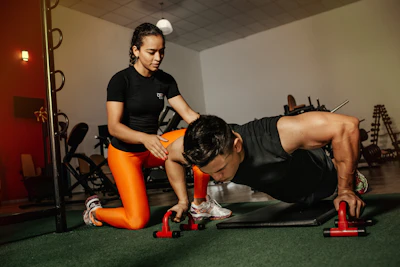
Personal Training for Functional Fitness
Working with a personal trainer familiar with equestrian demands can create a customized programme addressing individual weaknesses. A trainer can assess your riding mechanics and design strength, flexibility, and stability work to improve your performance.
Optimize Your Riding Performance
Combine equestrian training with complementary fitness work. Browse Pilates studios, yoga classes, and personal trainers on GetFitDXB who specialize in athletic performance and functional fitness.
Competition & Dressage in Dubai
Dubai hosts a thriving competitive equestrian circuit with regular national and international competitions. The emirate is particularly known for its dressage and show jumping competitions, attracting riders from across the Gulf region and beyond. Major events include national championships, international Grand Prix competitions, and specialized endurance riding events that celebrate the UAE's desert heritage.
Dressage — the art of training a horse to execute precise, coordinated movements — is growing rapidly in Dubai. Riders progress through levels of increasing difficulty, from walk-trot-canter basics to advanced movements like piaffe, passage, and flying changes. Competitive dressage requires exceptional rider fitness, balance, and the ability to communicate subtle cues to the horse.
Show jumping competitions range from beginner-friendly courses to advanced 1.3m+ courses requiring significant skill and athleticism. These events test a rider's balance, timing, and ability to adjust a horse's stride and energy over obstacles.
Endurance riding, deeply rooted in Emirati and Arabian traditions, involves covering long distances (40–160km) at controlled speeds. Riders competing at high levels need exceptional cardiovascular fitness, mental toughness, and the ability to maintain proper position for extended periods.
Seasonal Riding & Dubai Climate
Ideal Season (October–April): Pleasant temperatures (18–28°C), low humidity, and comfortable outdoor riding conditions. Peak season runs November–February.
Hot Months (May–September): Daytime temperatures exceed 40°C and can reach 48°C+. Outdoor riding is not recommended during these months due to extreme heat risk to both horse and rider. Dehydration, heat exhaustion, and heatstroke are serious concerns.
Indoor Training: Many facilities offer air-conditioned or covered arenas for summer training, allowing year-round skill development if desired.
Dubai's extreme summer heat is the primary seasonal consideration for riders. Horses overheat quickly in extreme temperatures, and riders face serious health risks. The October–April window provides ideal conditions for outdoor riding, trail work, and competition.
During summer months, most serious riders shift to early morning sessions before sunrise heat, utilize indoor facilities, or reduce training intensity. Proper hydration, electrolyte replacement, and heat acclimatization are critical for summer riding.
Costs, Equipment & Horse Livery
Riding Lesson Costs
| Lesson Type | Duration | Price (AED) | Notes |
|---|---|---|---|
| Group Lesson (Beginner) | 1 hour | 200–300 | 3–5 riders, shared instruction |
| Group Lesson (Intermediate) | 1 hour | 250–350 | 3–4 riders, focused skill work |
| Private Lesson (1 Rider) | 1 hour | 450–600 | Personalized instruction, flexible scheduling |
| Semi-Private (2 Riders) | 1 hour | 350–450 | Good balance of cost and attention |
| Trail Ride (Guided) | 1–2 hours | 250–400 | Desert or scenic routes, beginners welcome |
| Monthly Package (8 lessons) | Group | 1,400–2,000 | 10–20% discount vs. single lessons |
Equipment & Gear
Most riding schools provide horses, saddles, bridles, and basic tack for lessons. However, serious riders typically invest in personal equipment including riding helmet (AED 200–600), riding boots (AED 400–1,200), riding pants or jeans (AED 150–400), and gloves (AED 50–150).
If you purchase a horse or board at a facility, you may invest in a personal saddle (AED 2,000–8,000+), bridle (AED 400–2,000), and various other equipment. Facilities typically provide shared equipment for lesson students, reducing initial investment.
Horse Livery & Boarding Costs
| Livery Type | Monthly Cost (AED) | Included Services |
|---|---|---|
| Full Livery | 4,000–6,500 | Stabling, feed, hay, water, farrier, vet, turnout, schooling |
| Part Livery | 2,500–3,800 | Stabling, feed, basic care, turnout |
| Pasture Only | 1,200–1,800 | Paddock space, basic facilities |
| Working Livery | 800–1,500 | Reduced cost in exchange for allowing facility to use horse for lessons |
Frequently Asked Questions
Is horse riding suitable for all ages?
Yes — riding can be adapted for riders from age 3 or 4 (with specialized children's programmes) through 80+. Many facilities offer age-appropriate lessons. Children develop balance, coordination, and confidence, while adults benefit from the comprehensive fitness and stress relief aspects.
Do I need to be fit to start riding?
You don't need to be fit to start, but you will become fitter. Riding itself builds fitness rapidly. If you have significant health concerns or physical limitations, inform your instructor, who will adapt lessons accordingly. Many people begin riding at various fitness levels and improve dramatically within weeks.
What's the difference between English and Western riding?
English riding (dressage, jumping, eventing) emphasizes balance, technical precision, and collection. Western riding (ranch work, trail riding) emphasizes comfort and practicality. Dubai facilities primarily offer English disciplines, though some offer Western options.
How often should I ride to see fitness improvements?
Riding once weekly maintains basic skills. Twice weekly produces noticeable fitness improvements within 6–8 weeks. Three or more times weekly combined with complementary strength training produces dramatic changes in core strength, leg power, and overall fitness within 4–6 weeks.
Can I ride year-round in Dubai?
Outdoor riding is primarily October–April. Many facilities have indoor or covered arenas for summer training, though intense outdoor riding during summer heat is not recommended. Winter months offer the best conditions for serious training and outdoor activities.
What health benefits does horse riding provide beyond fitness?
Research demonstrates significant mental health benefits including reduced anxiety and depression, improved self-confidence, enhanced emotional regulation, and lower cortisol levels. The human-animal bond formed with horses provides therapeutic benefits. Equestrian therapy programmes help individuals with PTSD, autism, cerebral palsy, and other conditions.
Are there beginner-friendly trail rides in Dubai?
Yes — many facilities offer guided trail rides suitable for beginners. Desert rides near Al Marmoom and coastal trails provide scenic options. Trail riding is more relaxed than arena work and allows you to enjoy Dubai's landscape while building riding skills.