This guide is part of our complete men's hormonal health and fitness guide for Dubai. Male infertility affects roughly 10-15% of couples attempting conception, and male factors account for about 40% of infertility cases. Yet male fertility is dramatically underaddressed in health conversations — far more focus is placed on female fertility. This is a critical gap. The good news is that male fertility is highly responsive to lifestyle factors. Exercise, nutrition, heat management, sleep, and stress control can dramatically improve sperm parameters within 74+ days (the time it takes to produce new sperm). This comprehensive guide covers everything every Dubai man should know about optimising fertility.
1. Sperm Basics: What You Need to Know
Sperm are produced continuously in the testes through a process called spermatogenesis. This process takes approximately 74 days from start to finish. Unlike women, who are born with a fixed number of eggs, men continuously produce new sperm throughout their entire lives.
The sperm production process is exquisitely sensitive to lifestyle factors. Heat, stress, poor nutrition, oxidative stress, and hormonal imbalances directly disrupt sperm production and function. This is actually good news — it means that positive lifestyle changes can improve fertility relatively quickly.
Sperm are not just about swimming — they have to be capable of surviving the journey through the female reproductive tract, recognising the egg, penetrating its outer membrane, and fusing with the nucleus. This requires not just motility (movement) but also morphology (shape) and metabolic health.
2. Male Infertility in Dubai: The Numbers
Dubai's population faces specific fertility challenges. Obesity rates in the UAE are among the highest globally at 70%+ of adults overweight or obese. Obesity significantly impairs sperm production. Additionally, Dubai's extreme heat affects male fertility — scrotal temperature is normally 1-2°C below core body temperature, and Dubai's summer temperatures disrupt this delicate balance.
The expatriate community brings its own challenges. High stress from demanding careers, irregular working hours, sedentary lifestyles in air-conditioned offices, and travelling back and forth to home countries all disrupt reproductive health.
The positive news: Dubai has world-class fertility clinics. Couples have access to the latest diagnostic and treatment technologies. And lifestyle changes work quickly — men often see improvement in sperm parameters within 3-4 months of implementing proper exercise, nutrition, and heat management protocols.
- Male factors account for 40-50% of couple infertility
- Obesity reduces sperm count by up to 20%
- Heat exposure acutely reduces sperm motility
- Moderate exercise improves sperm parameters in 74+ days
- Antioxidants improve sperm motility by 20-30%
- Excessive exercise (overtraining) can suppress fertility
- Stress significantly reduces sperm production
3. Semen Analysis: Parameters & Normal Ranges
Semen analysis is the primary test for male fertility. It measures several parameters that collectively indicate sperm health. The WHO 2021 criteria define normal ranges as follows:
| Parameter | Normal Value (WHO 2021) | What It Means |
|---|---|---|
| Semen Volume | ≥1.4 mL | Total amount of semen produced. Low volume may indicate retrograde ejaculation or blockage. |
| Sperm Concentration | ≥16 million/mL | Number of sperm per millilitre. Lower = oligozoospermia (low count). |
| Total Sperm Number | ≥39 million per ejaculate | Total sperm in entire ejaculation. Critical for conception. |
| Sperm Motility (Progressive) | ≥42% moving forward | Percentage with forward motion. Higher = better chance of reaching egg. |
| Sperm Viability | ≥54% alive | Percentage of living sperm. Dead sperm cannot fertilise. |
| Sperm Morphology | ≥4% normal shape | Percentage with normal structure. Shape affects fertilisation ability. |
| pH | ≥7.2 | Acidity. Affects sperm survival in female reproductive tract. |
Advanced Testing Parameters
Beyond basic analysis, advanced testing can measure:
- DNA fragmentation: Percentage of sperm with damaged DNA. High fragmentation impairs fertility even if basic parameters are normal. Advanced labs in Dubai can measure this (AED 300-500).
- ROS (Reactive Oxygen Species): Measure of oxidative stress. High ROS damages sperm and reduces motility.
- Antisperm antibodies: Immune system attacking sperm. Can reduce motility and fertilisation.
4. Exercise & Sperm Quality: The Science
Exercise has a U-shaped relationship with male fertility. The sweet spot is moderate-to-vigorous exercise, while both sedentary lifestyles and excessive training impair fertility.
The Exercise-Fertility Curve
Sedentary (0-90 min/week vigorous activity): Increased obesity, poor hormonal profile, high oxidative stress, reduced sperm quality.
Optimal (150-300 min/week moderate-vigorous activity + 2 days strength training): Improved body composition, optimal testosterone, reduced inflammation, superior sperm parameters, increased motility and morphology, lower DNA fragmentation.
Excessive/Overtraining (>5 hours/week vigorous activity for extended periods): Reduced testosterone, elevated cortisol, increased oxidative stress, reduced sperm count and motility, potentially suppressed fertility. This is particularly concerning for endurance athletes training in Dubai's heat.
Why Exercise Helps Sperm
- Improves insulin sensitivity and glucose metabolism
- Reduces systemic inflammation
- Optimises testosterone and hormonal balance
- Improves body composition (reduces fat, increases muscle)
- Enhances antioxidant defences
- Reduces oxidative stress
- Improves blood flow to reproductive organs
- Reduces stress and cortisol
5. Optimal Training Protocol for Fertility
Based on current research, this is the ideal training protocol for men optimising fertility:
The Fertility-Optimised Training Week
Monday: Moderate Aerobic (40 minutes)
Steady-state running, cycling, or swimming at 60-70% max heart rate. Not too intense. In Dubai, this must be early morning (6-7am) or indoors during summer months.
Wednesday: Strength Training (50 minutes)
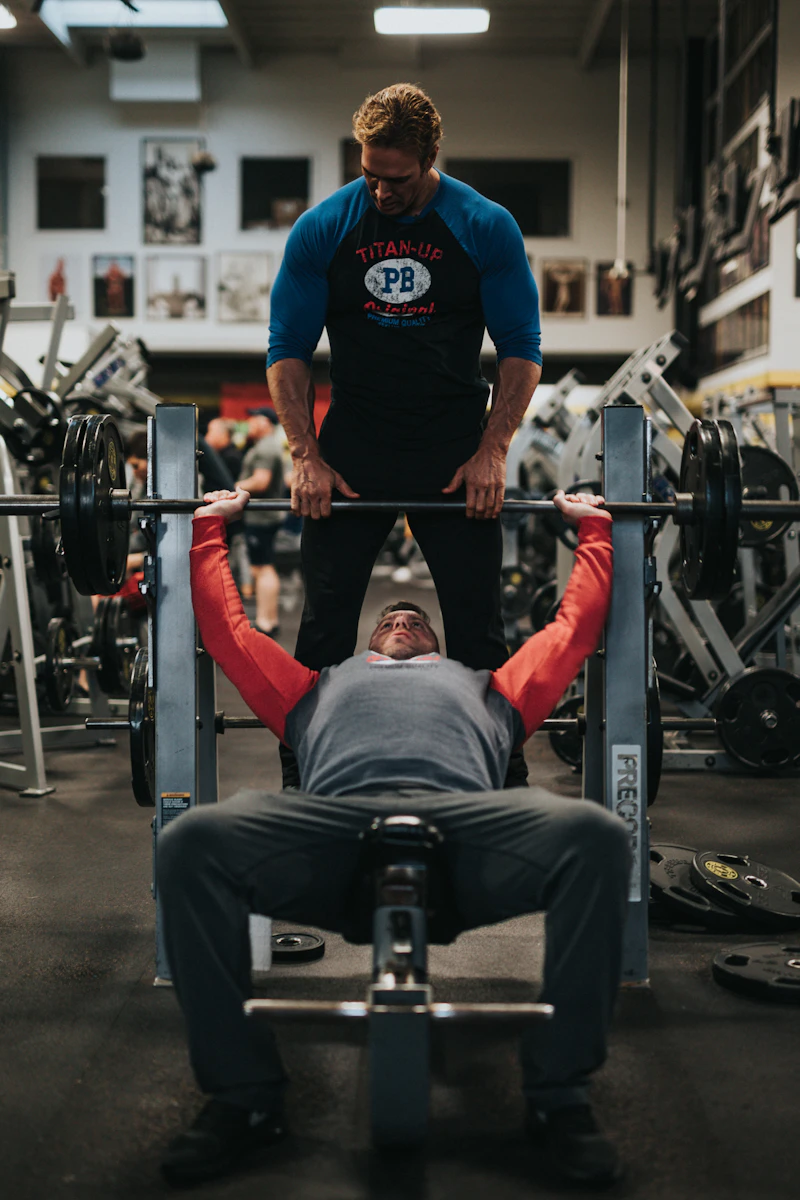
Full-body resistance: squats, deadlifts, bench press, rows. 6-10 reps per set, 3-4 sets. Rest 2-3 minutes between heavy sets. Focus on building and maintaining lean muscle mass.
Friday: Moderate Aerobic (30-40 minutes)
As Monday. Recovery pace.
Sunday: Easy Movement (30 minutes)
Walking, light yoga, or stretching. No intensity. Focuses on recovery.
Total: ~150-180 minutes moderate-vigorous activity weekly + strength training 1-2x weekly.
Long endurance sessions (3+ hours) in Dubai's heat are extremely harmful to fertility. Intense cycling, ultra-running, or prolonged vigorous training elevates scrotal temperature and suppresses testosterone. If you love endurance training, move to early morning (5-6am start) or switch to indoor venues (air-conditioned gyms, indoor pools) during the hot months.
6. Dubai Heat Management: Critical for Sperm
This is perhaps the most underaddressed factor in Dubai male fertility. Heat directly damages sperm production and motility. The scrotum is designed to be 1-2°C cooler than core body temperature. Dubai's summer temperatures (45°C+) make this impossible naturally.
Heat Damage Timeline
Acute heat exposure (hot bath, sauna, tight clothing) reduces sperm motility for 24-48 hours. Chronic heat exposure over weeks/months reduces sperm production. Since sperm take 74+ days to produce, heat exposure during this entire window affects fertility.
Practical Heat Management Strategies
Clothing: Wear loose, breathable boxer shorts (not tight briefs or compression shorts). Cotton and linen are superior to synthetic. Avoid tight pants and jeans. Loose trousers and shorts are ideal.
Avoid Heat Sources: No saunas, hot tubs, hot baths, or steam rooms during fertility attempts. If you exercise, shower with cool (not hot) water immediately afterward. In the car, use air conditioning aggressively.
Workplace Cooling: If your job involves prolonged sitting in an office, try to sit with good air circulation. Avoid direct sun exposure on the lap. Use a laptop stand to keep computers away from your lap.
Night Cooling: Sleep in cool environment (air-conditioned room, light bedding). This is not just for fertility but also improves testosterone which supports fertility.
Laptop Heat: This is a serious fertility issue. Laptops in the lap generate significant heat directly over the scrotum. Use a laptop stand, desk, or cooling pad. Avoid lap use.
Exercise Timing: During summer (June-September), exercise in air-conditioned gym, pool, or outdoors before 6am. Evening outdoor exercise in summer is counterproductive due to heat storage.
7. Nutrition for Sperm Health
Sperm are exquisitely sensitive to nutritional status. Deficiencies in key micronutrients directly impair sperm production and function.
Critical Nutrients for Fertility
Zinc: Essential for sperm production. Deficiency reduces sperm count and motility. Men require 11-15 mg daily. Excellent sources: oysters (1 oyster = 5-10 mg), beef, pumpkin seeds, chickpeas, cashews, lentils. Easy to become deficient if diet lacks red meat or legumes.
Selenium: Protects sperm from oxidative damage. Acts as cofactor for antioxidant enzymes. Required for motility. Brazil nuts are exceptionally rich (2-3 nuts daily = adequate intake). Also in fish, eggs, chicken.
Folate (B9): Critical for DNA synthesis and sperm production. Deficiency reduces sperm count and increases DNA damage. Dark leafy greens, legumes, asparagus, avocado. Men require 400 mcg daily.
Vitamin C: Potent antioxidant. Improves sperm motility and reduces oxidative damage. 500-1,000 mg daily from food sources (citrus, berries, peppers, broccoli) or supplement.
Vitamin E: Fat-soluble antioxidant protecting sperm membrane. 400 IU daily. Found in nuts, seeds, oils, leafy greens.
Omega-3 Fatty Acids: Support sperm membrane integrity and function. Fatty fish (salmon, mackerel, sardines) 2-3x weekly, or supplement 1,000-2,000 mg EPA/DHA daily.
Lycopene: Red pigment in tomatoes, watermelon, pink grapefruit. Reduces oxidative stress. 10-20 mg daily from food (cooked tomatoes — cooking increases bioavailability).
Foods to Prioritise
- Oysters and shellfish (zinc, selenium)
- Fatty fish (salmon, mackerel, sardines) — omega-3s, selenium
- Beef and red meat (zinc, carnitine, iron)
- Dark chocolate (antioxidants, arginine)
- Nuts and seeds (zinc, selenium, vitamin E)
- Pumpkin seeds (zinc, magnesium)
- Leafy greens (folate, minerals)
- Berries (antioxidants)
- Citrus fruits (vitamin C)
- Tomatoes, watermelon (lycopene)
- Legumes (folate, zinc, arginine)
8. Supplements & Antioxidants
While whole food is always preferred, targeted supplementation can improve sperm parameters. Research supports these supplements for male fertility:
Evidence-Based Fertility Supplements
CoQ10: Mitochondrial antioxidant. 200-400 mg daily improves sperm motility by 20-30% in multiple studies. Particularly important over age 40. Three-month trial minimum.
L-Arginine: Amino acid that improves blood flow and sperm motility. 2,500-5,000 mg daily. Effective when combined with other antioxidants.
L-Carnitine: Supports sperm energy production. 1,000-2,000 mg daily improves motility, particularly in men with low motility. Meat-based, so vegetarians often deficient.
Vitamins C & E: Antioxidant combination. Vitamin C 500-1,000 mg daily + Vitamin E 400 IU daily. Improves sperm motility and reduces DNA fragmentation.
Zinc: If dietary intake is inadequate, 15-30 mg supplemental zinc daily (do not exceed 40 mg without medical supervision). Test baseline levels first.
Folate (B9): 400-800 mcg daily for men with low sperm count or DNA fragmentation.
For men attempting conception: CoQ10 (300 mg daily) + Vitamin C (500 mg daily) + Vitamin E (400 IU daily) + L-Carnitine (1,500 mg daily). Take for minimum 3-4 months before reassessing sperm parameters. This combination has strong evidence and is cost-effective (AED 50-80/month total).
9. Toxins to Avoid
Many environmental and lifestyle toxins directly impair sperm production and function. Awareness and avoidance can improve fertility significantly.
Chemical Toxins
BPA (Bisphenol A): Found in some plastics (especially #3, #6, #7 marked plastics). Mimics oestrogen and impairs sperm production. Avoid: plastic water bottles, food containers, cling wrap. Use: glass, stainless steel, ceramic containers. Never heat food in plastic.
Phthalates: Plasticisers in PVC and cosmetics. Associated with reduced sperm quality. Avoid: fragrances (often contain phthalates), cologne, plastic personal care products.
Pesticides & Heavy Metals: Accumulate in body and damage sperm. Choose organic produce when possible, especially for: strawberries, spinach, apples, grapes, peaches. Drink filtered water.
Lifestyle Toxins
Smoking: Dramatically reduces sperm count, motility, and morphology. Decreases fertility by 50%. If you smoke, quitting is the single most impactful change for fertility.
Alcohol: Heavy drinking (3+ drinks daily) reduces testosterone and sperm production. Moderate use (1-2 drinks daily) appears safe, but abstinence improves fertility fastest.
Cannabis: Reduces sperm count and motility. Regular users show 28% lower sperm count.
Recreational drugs: All impair sperm production through various mechanisms.
Recreational lubricants: Many commercial lubricants (even "fertility-friendly" ones) reduce sperm motility. Coconut oil is a natural alternative that does not impair sperm.
10. Fertility During Ramadan
For men observing Ramadan who are trying to conceive, special considerations apply:
Heat Stress: Ramadan (2026: Feb 29 - Mar 30) occurs during cooler Dubai months, but dehydration increases heat stress on the body. Ensure adequate hydration post-sunset.
Sleep Disruption: Suhoor (pre-dawn meals) and Iftar (sunset meals) disrupt normal sleep. Poor sleep reduces testosterone by 25-30%. Prioritise sleep quality even during Ramadan through naps if possible.
Nutrition: Maintain zinc and nutrient intake despite fasting. Focus Suhoor and Iftar meals on nutrient-dense foods (dates, nuts, fish, legumes).
Exercise: Moderate exercise is safe during Ramadan, but avoid intense training. Light exercise post-Iftar when hydrated is ideal.
Fasting & Hormones: Short-term fasting (12-14 hours during Ramadan) does not significantly harm fertility, but ensures proper nutrition during eating windows.
Optimise Your Health With Professional Guidance
Fertility optimisation requires comprehensive lifestyle management. Our certified trainers specialise in men's health, hormonal optimisation, and designing training programmes for reproductive wellness.
11. Dubai IVF Clinics & Treatment Options
If natural conception attempts are unsuccessful after 12 months (or 6 months for men over 40), fertility evaluation is recommended. Dubai has excellent fertility clinics offering comprehensive treatment options.
Semen Analysis & Fertility Testing
| Test / Service | Typical Cost (AED) | Where |
|---|---|---|
| Basic Semen Analysis | 150-250 | Most private clinics |
| Advanced Analysis (morphology + viability) | 250-350 | Fertility clinics, IVF centres |
| DNA Fragmentation Test | 300-500 | Specialised fertility labs |
| Fertility Specialist Consultation | 300-500 | All major clinics |
| Full Hormonal Panel (testosterone, LH, FSH) | 250-400 | Private labs, hospitals |
Top Fertility Clinics in Dubai
- Emirates Fertility Centre (EFSC): One of the region's most established IVF centres. Expertise in male factor infertility. Dubai Healthcare City. Phone: +971 4 394 8888
- Mediclinic Fertility: Part of Mediclinic network. Modern facilities, experienced andrology team. Phone: +971 4 309 5000
- American Hospital Dubai (IVF Centre): International standard care. Specialised male infertility programmes. Phone: +971 4 336 7777
- Jawhara Hospital Fertility Centre: Dedicated fertility centre with strong reputation. Phone: +971 4 304 3333
Treatment Options for Male Factor Infertility
IUI (Intrauterine Insemination): Places concentrated, prepared sperm directly in the uterus. Effective for low sperm count or motility issues. Cost: AED 2,000-3,500 per cycle.
IVF with ICSI (Intracytoplasmic Sperm Injection): Injects single sperm directly into egg. Used when sperm quality is significantly compromised. Cost: AED 10,000-15,000 per cycle.
TESE/PESE (Sperm Extraction): For men with no sperm in ejaculate due to vasectomy or other issues. Extracts sperm directly from testis. Cost: AED 3,000-5,000.
Lifestyle & Medical Optimization: First-line approach. 3-4 months of proper exercise, nutrition, heat management, and sometimes medical treatment (testosterone therapy, infection treatment) can improve sperm parameters significantly before pursuing invasive treatments.
12. Frequently Asked Questions
How long should we try before seeking help?
If under 35 with no known issues, try for 12 months before fertility evaluation. If over 35, try 6 months. If you have specific risk factors (obesity, sedentary lifestyle, heat exposure history), seek evaluation at 6 months regardless of age. Starting lifestyle optimization sooner never hurts.
Can tight underwear really affect fertility?
Yes. Tight briefs and compression shorts elevate scrotal temperature. Loose boxer shorts are associated with better sperm parameters. This is a free, simple change with evidence.
Does masturbation frequency affect fertility?
No. Frequent ejaculation (daily or multiple daily) does not deplete sperm production or harm fertility. In fact, some studies suggest frequent ejaculation may improve sperm quality by clearing out older sperm. Abstinence before testing is recommended only for standardised semen analysis (usually 2-5 days abstinence).
What if my semen analysis is normal but my wife can't conceive?
Normal semen analysis does not guarantee fertility. Factors like sperm DNA fragmentation, advanced paternal age (over 45), or female-factor infertility could still prevent conception. Couples should pursue comprehensive evaluation including female reproductive assessment.
Disclaimer: This guide is for educational purposes only and does not replace professional medical advice. Fertility challenges are complex and individual. Always consult with a qualified fertility specialist for personalised evaluation and treatment recommendations. Results vary based on individual circumstances.