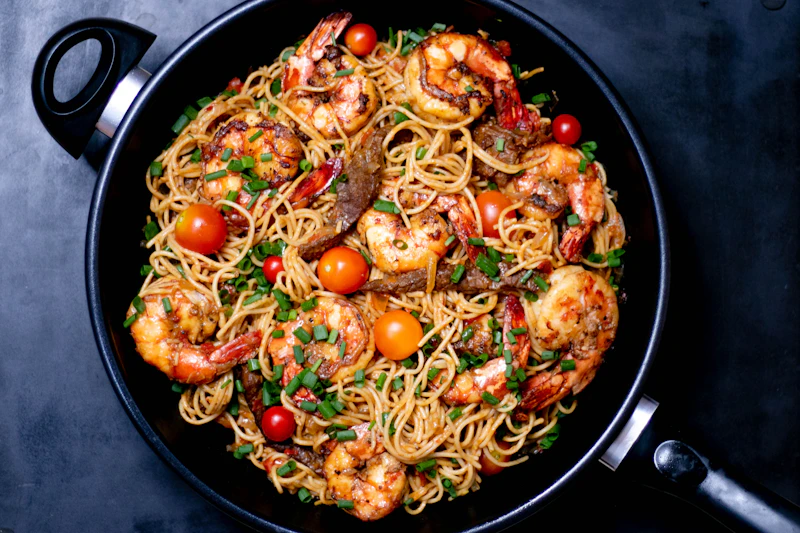
Nutrition is the single most important variable controlling your body composition, strength preservation, and recovery outcomes during Ramadan. Unlike regular training months where you can get away with casual eating habits and still see progress, Ramadan demands precision. You have fewer than 10 hours to consume all your nutrition, and every calorie, gram of protein, and micronutrient matters. This comprehensive guide provides science-backed meal plans, macro targets, and practical strategies for achieving your fitness goals while respecting the spiritual significance of the month.
1. Why Nutrition Strategy Is Critical During Ramadan
The fundamental challenge of Ramadan fitness is this: your body must function, recover, and potentially build muscle across 24 hours while being fully nourished for only 8–10 hours. This compressed nutritional window means that poor food choices — too much fried food, insufficient protein, excessive sugar, inadequate hydration — create compounding negative effects on your physique, strength, and wellbeing.
Research from the Journal of Sports Medicine and Physical Fitness shows that athletes who adopt a structured meal plan during Ramadan maintain muscle mass and strength far better than those eating ad-hoc. The difference between achieving your fitness goals and losing muscle comes down to intentional nutrition decisions made at iftar and suhoor.
For context, read our pillar article on complete Ramadan fitness strategies to understand training timing and recovery protocols alongside nutrition.
2. Understanding Your Eating Window in Dubai
In Dubai, the typical Ramadan fasting window is approximately 13–14 hours, with iftar (breaking the fast) occurring around 6:15–6:45pm depending on the date in the lunar calendar. Suhoor (the pre-dawn meal) happens 3:30–4:30am. This creates an eating window of roughly 8–10 hours across two meals — a dramatically compressed timeline compared to eating across your waking day.
The consequences are significant: your insulin sensitivity is heightened, your body becomes highly efficient at nutrient partitioning, and the foods you consume have outsized impacts on recovery and body composition. A single high-calorie iftar can represent 30–40% of your daily target. One afternoon spent training without adequate suhoor can result in significant muscle catabolism.
Understanding this psychological reality — that every meal choice carries weight — helps you commit to consistent, intelligent nutrition planning rather than relying on hunger cues or traditional iftar customs that may not support your fitness goals.
3. Iftar Sequencing: Breaking the Fast Correctly
How you break your fast matters as much as what you eat. After 13+ hours without food or water, your digestive system is dormant and your blood sugar is low. Eating the wrong foods in the wrong order triggers blood sugar spikes, digestive distress, and aggressive fat storage.
The Optimal Iftar Sequence
Phase 1 (0–15 minutes): Dates, Water, and Light Soup
Begin with 3–5 dates and 500ml of water (preferably room temperature to avoid digestive shock). Dates provide fast-acting carbohydrates, potassium to restore electrolytes, and natural fibre. Follow with a light vegetable or chicken broth to rehydrate further and prepare your digestive system. This phase resets blood sugar without overwhelming your gut.
Phase 2 (30–60 minutes): The Main Nutritional Meal
After your digestive system has begun functioning again, consume your main iftar plate. This is where you prioritise protein, complex carbs, and whole foods. Your body is now ready to properly digest and absorb these nutrients.
Phase 3 (60–90 minutes post-iftar): Post-Workout or Bedtime Snack
If training post-iftar, consume a protein shake or light protein-carb meal within 30 minutes of finishing your workout to maximise muscle protein synthesis. If not training, you may have eaten enough at Phase 2 and can skip this step or enjoy a small snack if still hungry.
This three-phase approach prevents digestive discomfort, optimises nutrient absorption, and supports steady energy levels throughout the evening.
4. The Ideal Iftar Plate for Fitness Goals
Your iftar plate should be structured around these four pillars:
Protein: 40–60g Per Main Meal
Protein is your most important macronutrient during Ramadan for muscle preservation. Aim for a minimum of 40g and ideally 50–60g per main iftar meal. This drives muscle protein synthesis and keeps you satiated throughout the evening. Best sources include grilled chicken breast, fish (salmon, white fish), lean lamb or beef, eggs, and legumes (lentils, chickpeas). Avoid deep-fried proteins — prioritise grilled, baked, or lightly sautéed options.
Complex Carbohydrates: 60–100g
Complex carbs restore muscle glycogen depleted during your fasting period and training. Brown rice, quinoa, sweet potato, whole-wheat bread, and oats are superior to white rice, regular bread, and sugary options. The fibre in complex carbs supports digestion and sustains energy levels. If training post-iftar, prioritise carbs to fuel your session.
Vegetables: Fill Half Your Plate
A generous salad or cooked vegetable serving (spinach, broccoli, cauliflower, zucchini, carrots) provides micronutrients, fibre for digestive health, and volume without excessive calories. This allows you to feel full and satisfied without overeating calorie-dense foods.
Healthy Fats: 10–20g
Healthy fats support satiety, hormone production, and nutrient absorption. Olive oil, avocado, nuts, and seeds are excellent choices. A drizzle of olive oil on your salad, a small handful of almonds, or 1/4 of an avocado provides sufficient fat without excessive calories.
Sample Ideal Iftar Plate
200g grilled chicken breast + 150g brown rice + large mixed salad with olive oil dressing + 100g steamed broccoli. Macros: 52g protein, 85g carbs, 18g fat = approximately 680 calories.
5. Sample Iftar Meal Plans for 3 Fitness Goals
Goal 1: Fat Loss
Target calories: 1,700–1,900 daily. Moderate calorie deficit (300–500 below maintenance) for body recomposition.
Iftar Meal (Main): 180g grilled white fish + 120g sweet potato + large cucumber salad with lemon dressing + 60g green vegetables = 480 calories (45g protein, 55g carbs, 8g fat)
Light Evening Snack: Greek yogurt (150g) + berries + 1 tbsp almond butter = 180 calories (18g protein, 14g carbs, 8g fat)
Daily iftar + suhoor total: ~1,800 calories, 1.8g protein per kg bodyweight (for 80kg person: 144g protein across both meals)
Goal 2: Muscle Maintenance / Recomposition
Target calories: 1,900–2,200 daily. Slight deficit or maintenance calories to preserve muscle while potentially improving body composition.
Iftar Meal (Main): 220g grilled chicken breast + 180g brown rice + large salad with olive oil + roasted vegetables = 620 calories (50g protein, 80g carbs, 12g fat)
Post-Workout Shake (if training post-iftar): Protein powder (30g) + banana + 250ml milk = 320 calories (32g protein, 38g carbs, 8g fat)
Daily total: ~2,100 calories, 2g protein per kg bodyweight (for 80kg: 160g protein across two meals)
Goal 3: Athletic Performance / Endurance
Target calories: 2,200–2,600 daily. Adequate energy for high-intensity training and performance maintenance.
Iftar Meal (Main): 250g lean lamb + 250g white rice + large mixed salad + chickpea side = 750 calories (55g protein, 110g carbs, 16g fat)
Post-Workout Meal: 2 whole eggs + 100g oatmeal + banana + honey = 480 calories (20g protein, 75g carbs, 12g fat)
Daily total: ~2,400 calories, 1.8–2g protein per kg bodyweight (for 80kg: 144–160g)
| Meal Example | Calories | Protein | Carbs | Fat | Best For |
|---|---|---|---|---|---|
| Grilled Chicken + Brown Rice + Salad | 620 | 50g | 80g | 12g | All goals |
| Fish + Sweet Potato + Vegetables | 480 | 45g | 55g | 8g | Fat loss focus |
| Lamb + White Rice + Salad + Chickpeas | 750 | 55g | 110g | 16g | High-intensity training |
| Eggs + Oatmeal + Banana | 480 | 20g | 75g | 12g | Post-workout |
| Protein Powder + Milk + Banana | 320 | 32g | 38g | 8g | Quick recovery |
6. Post-Iftar Snack Strategy for Gym-Goers
If you train post-iftar (the most common window), the 30-minute window immediately following your workout is critical for recovery. Consume a protein-carb snack to spike insulin and drive amino acids into muscle tissue.
Best Post-Workout Snacks (within 30 minutes of finishing training):
- Protein shake (25–30g) + banana or 40g white rice
- 3 whole eggs + 2 slices whole-wheat toast + jam
- 200g grilled chicken + small portion white rice or bread
- Greek yogurt (200g) + granola (50g) + honey
- Cottage cheese (200g) + fruit + almonds
The key is simplicity and speed. You want easily digestible carbs and fast-absorbing protein immediately post-workout. Complex carbs and fats (healthy though they are) digest slower and can delay nutrient delivery during this critical window.
7. Suhoor: The Pre-Dawn Performance Meal
Suhoor is your metabolic foundation for the entire day. This meal determines your energy levels, hunger intensity, and ability to train. Yet many people skip suhoor or eat minimal amounts — a critical mistake for anyone serious about maintaining fitness during Ramadan.
Think of suhoor as a slow-release fuel deposit. Every calorie, gram of protein, and sip of water consumed at 3:30–4:30am directly influences your physical performance, mental clarity, and recovery at 6:00pm. Studies show that athletes who consume adequate suhoor maintain 15–20% more strength during fasted training compared to those who skip or minimise this meal.
The Optimal Suhoor Structure
Protein (30–40g): Eggs, Greek yogurt, labneh, cottage cheese, or chicken. Protein at suhoor slows muscle breakdown during the long fast and maintains amino acid availability throughout the day.
Complex Carbohydrates (60–80g): Oatmeal, whole-wheat bread, brown rice, or sweet potato. These digest slowly and provide sustained energy release, stabilising blood sugar and preventing the mid-afternoon energy crash that plagues most people during Ramadan.
Healthy Fats (15–25g): Nut butter, avocado, olive oil, or whole nuts. Fats slow digestion further and extend the satiating effect, reducing hunger cravings throughout the morning.
Water and Electrolytes (500–750ml water + electrolyte drink): Pre-loading hydration is critical. Drink steadily at suhoor rather than chugging large amounts, which can cause nausea and frequent urination throughout the fast.
8. Sample Suhoor Meal Plans for Different Goals
Option 1 (Sweet): Oats + Nut Butter
75g oatmeal (dry) cooked with 250ml milk + 2 tbsp almond butter + banana + 1 tsp honey. Macros: 38g protein, 65g carbs, 20g fat = 580 calories. Add 500ml water.
Option 2 (Savoury): Eggs + Bread
3 whole eggs (any preparation) + 2 slices whole-wheat toast with olive oil + slice of tomato + cucumber. Macros: 32g protein, 50g carbs, 18g fat = 500 calories. Add 500ml water.
Option 3 (Middle East Traditional): Labneh + Grains
200g labneh (strained yogurt) + 80g whole-wheat bread + 1 tbsp olive oil + dates (3–4) + cucumber. Macros: 35g protein, 58g carbs, 16g fat = 520 calories. Add 500ml water.
Option 4 (High-Carb for Training Days): Sweet Potato + Eggs
200g sweet potato (baked) + 2 eggs + 30g almonds + vegetables. Macros: 28g protein, 72g carbs, 18g fat = 580 calories. Add 500ml water.
The ideal suhoor provides 30–40g protein, 60–80g complex carbs, 15–25g healthy fats, and approximately 500–600 calories with 500–750ml water. This combination sustains energy and minimises hunger throughout the fast.
9. Foods to Prioritise vs Foods to Minimise
Prioritise These Iftar Foods
- Proteins: Grilled chicken, fish, lean lamb, eggs, legumes (lentils, chickpeas, black beans)
- Carbohydrates: Brown rice, quinoa, sweet potato, whole-wheat bread, oatmeal
- Vegetables: Leafy greens, broccoli, cauliflower, zucchini, carrots, peppers
- Healthy Fats: Olive oil, avocado, nuts, seeds, nut butters
- Hydration: Water, herbal tea, coconut water, electrolyte drinks
Minimise or Limit These Foods
The traditional iftar spread often contains foods that, while culturally significant, work against fitness goals when consumed in large quantities:
- Deep-fried foods: Samboosa, spring rolls, pakoras, fried halloumi. These are calorie-dense (400+ calories per serving), nutrient-poor, and easy to overeat. Limit to 1–2 servings per week maximum.
- Sugary drinks: Vimto, fresh juices, Tang, soft drinks. These spike blood sugar, trigger fat storage, and provide zero nutritional value. Replace with water, herbal tea, or diluted juice.
- White refined carbohydrates: White rice, white bread, pastries, desserts. While acceptable in moderation, these lack fibre and nutrients. Swap for brown rice, whole-wheat bread.
- High-sugar desserts: Kunafa, baklava, date-filled pastries consumed immediately after main meals spike blood sugar aggressively. Enjoy as occasional treats, not daily staples.
- Excessive oil and ghee: While these add flavour to traditional dishes, minimal amounts suffice. One tablespoon olive oil provides 120 calories — large quantities quickly exceed daily targets.
Strategy: Attend iftar gatherings and enjoy traditional foods mindfully. Eat your planned grilled protein and carbs first, then enjoy 1–2 servings of traditional dishes. This approach respects cultural traditions while maintaining nutritional discipline.
10. Caloric Targets During Ramadan
For Fat Loss
Aim for a 300–500 calorie deficit below your maintenance level. For an 80kg person with moderate activity, this typically translates to 1,700–2,000 calories daily. This modest deficit allows fat loss while preserving muscle with adequate protein intake (1.6–2g per kg bodyweight) and resistance training.
Avoid extreme deficits (1,200–1,400 calories) during Ramadan, which accelerate muscle loss and create unsustainable hunger and fatigue. The psychological and spiritual demands of Ramadan already create stress — extreme calorie restriction compounds this unnecessarily.
For Muscle Maintenance / Recomposition
Eat at maintenance calories (no deficit, no surplus) — roughly 2,000–2,300 calories daily for an average 80kg individual. Maintenance calories combined with adequate protein (2g per kg) and resistance training allow body recomposition: simultaneous fat loss and muscle preservation or gain during Ramadan.
This approach is ideal for fitness-focused individuals who want to emerge from Ramadan leaner and more muscular despite the fasting challenge.
For Athletic Performance
Active athletes and those training at high intensity should eat at a slight surplus or maintenance to fuel performance. Target 2,200–2,600 calories daily depending on bodyweight and training volume. This ensures adequate glycogen restoration, recovery capacity, and strength maintenance during challenging training.
Practical Calorie Tracking Tip
Use a tracking app (MyFitnessPal, Cronometer) for the first 7 days of Ramadan to establish awareness of typical meal calorie content. This educates you on portion sizes and typical meal composition. After this initial phase, you can track more loosely using the hand-portion method: 1 palm of protein, 1 fist of carbs, 2 cupped hands of vegetables, 1 thumb of fat per meal.
11. Supplement Timing: Protein Powder, Creatine, Electrolytes
Protein Powder
When: Within 30 minutes post-workout (post-iftar training window). Consume 25–30g as part of your post-workout meal.
Why: Whey or casein protein provides rapid amino acid delivery to muscles when protein synthesis is elevated post-training. This optimises muscle recovery and preservation.
Creatine Monohydrate
Dose: 5g daily, consumed during your eating window (at iftar, with carbs and protein for better absorption).
When: Continue throughout Ramadan — fasting does not negate creatine's benefits.
Why: Creatine supports muscle strength, power output, and cognitive function. Research shows no negative effects during Ramadan fasting when hydration is adequate.
Electrolyte Drinks
When: During your eating window, particularly immediately at iftar and at suhoor. Aim for 500–1000mg sodium across your eating window plus adequate potassium sources (bananas, dates, coconut water).
Why: Dubai's heat and extended fasting deplete electrolytes significantly. Electrolyte drinks improve hydration retention and reduce cramping risk during training.
Multivitamin
When: Once daily during your eating window (at iftar or suhoor with food for absorption).
Why: Compressed eating windows can create micronutrient gaps. A basic multivitamin provides insurance, ensuring you meet daily requirements for vitamins D, B12, iron, and minerals.
Avoid taking supplements during the fasting hours. While technically some supplements might not technically break the fast, consuming anything during fasting can psychologically disrupt your fast and introduce unnecessary complexity.
12. Traditional Ramadan Foods Made Healthier
Samboosa: Instead of deep-fried versions, prepare baked samboosa filled with lean meat and vegetables. Brush with minimal oil before baking. Saves ~150 calories per piece.
Harees (wheat and meat dish): Prepare with lean meat instead of fatty lamb. Reduce ghee by half. Add spinach or other vegetables. Maintains flavour while reducing calorie density.
Kunafa Dessert: Instead of traditional kunafa dripping with syrup and ghee, prepare a lighter version using shredded phyllo with honey glaze (rather than sugar syrup) and minimal ghee. Enjoy small portions (1–2 pieces) as occasional treats rather than daily staples.
Tabbouleh and Fattoush Salads: These are naturally nutritious — emphasise the vegetable components. Replace regular bread croutons with baked whole-wheat pita. These salads should form a significant portion of your iftar plate.
Grilled Meats: Shawarma, kebab, and grilled meats are excellent protein sources. Choose grilled over fried preparations. Control portion sizes (150–200g serving) and pair with salad rather than excessive bread or rice.
Fresh Juices: Replace high-sugar commercial juices with fresh-pressed juice mixed with water (50/50 ratio) to reduce sugar concentration. Even better: eat whole fruit (oranges, apples, berries) to retain fibre.
Find Dubai Nutritionists for Ramadan Meal Planning
Work with certified nutrition specialists who understand Ramadan protocols and Dubai's food culture. Personalised meal plans tailored to your goals, preferences, and lifestyle.
13. Frequently Asked Questions
Q: How many calories should I eat during Ramadan for fat loss?
A: For moderate fat loss, aim for a 300–500 calorie deficit below your maintenance level, translating to approximately 1,700–2,000 calories daily for most individuals. This modest deficit preserves muscle while promoting fat loss. Eating within your eating window should feel natural — avoid extreme hunger, which triggers overeating and metabolic stress. Calculate your baseline: use an online calculator or track intake for 1–2 weeks pre-Ramadan, then subtract 300–500 from that number.
Q: What is the best iftar meal for muscle building?
A: The ideal muscle-building iftar includes 50–60g of protein (grilled chicken, fish, or lean lamb), 70–100g of complex carbohydrates (brown rice, quinoa, sweet potato), plenty of vegetables for micronutrients, and 10–20g of healthy fats. This meal should provide 600–800 calories and be followed by a post-workout protein shake (25–30g) if training post-iftar. The high protein intake combined with resistance training preserves muscle despite the fasting challenge.
Q: Can I eat fried foods during Ramadan if I'm training?
A: Occasional fried foods are acceptable if you stay within your calorie and macro targets. However, deep-fried samboosa and pakoras are calorie-dense (300–450 calories per serving) and nutrient-poor, easily pushing you over your daily targets. Limit fried foods to 1–2 servings per week maximum. Prioritise grilled or baked proteins and carbs instead. Ensure at least 70–80% of your food comes from whole, unprocessed sources.
Q: Should I take protein powder during Ramadan?
A: Yes, protein powder is highly useful during Ramadan. A protein shake (25–30g protein) within 30 minutes of finishing a post-iftar workout optimises muscle recovery. Protein powder also helps you hit daily protein targets (1.6–2g per kg bodyweight) within the compressed eating window without requiring excessive whole food volume, which can be uncomfortable given the large meals typical of iftar. Quality whey protein isolate is ideal for fast absorption post-workout.
Q: What should I eat for suhoor to avoid hunger during the fast?
A: Suhoor should include slow-digesting foods: oats with nut butter and banana, eggs with whole-wheat toast, Greek yogurt with granola and berries, or savoury options like labneh with olive oil and whole grains. Include protein (30–40g), complex carbs (60–80g), and healthy fats (15–25g) plus 500–750ml of water. Avoid high-sodium foods and simple sugars, which accelerate hunger and thirst throughout the morning. The combination of protein, complex carbs, and healthy fats creates a slow, sustained energy release lasting 12–14 hours.
Get a Personalised Ramadan Nutrition Plan
Dubai trainers and nutritionists specialising in Ramadan protocols can create custom meal plans matching your exact goals, dietary preferences, and cultural traditions.