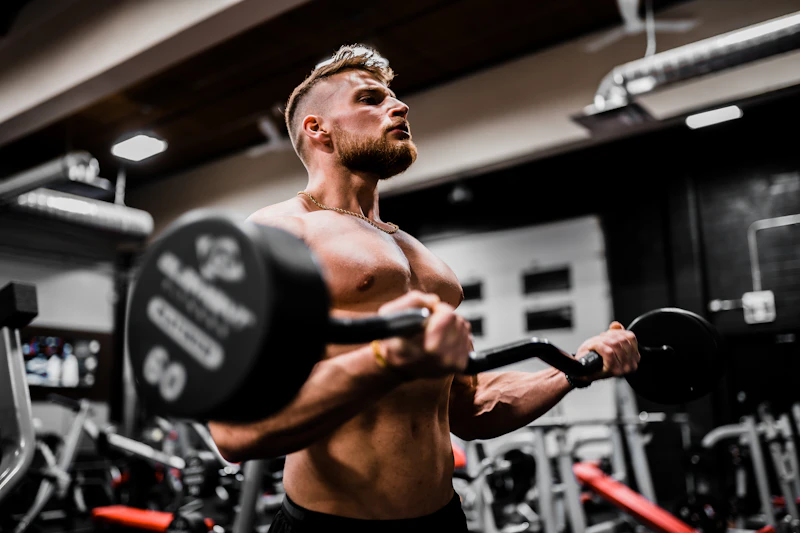
Blood Flow Restriction (BFR) training is revolutionizing how athletes, rehabilitation patients, and fitness enthusiasts build muscle and recover from injury in Dubai. By strategically restricting venous blood flow while maintaining arterial circulation, BFR allows you to achieve strength and hypertrophy gains comparable to heavy weightlifting—all while lifting just 20-40% of your one-rep maximum. This comprehensive guide covers everything you need to know about BFR training in Dubai, from the underlying science to finding certified professionals near you.
What is Blood Flow Restriction Training?
Blood Flow Restriction training, also called occlusion training or vascular occlusion training, involves temporarily restricting venous blood flow from the working muscles while allowing arterial blood flow to continue. This is achieved using specialized occlusion cuffs, elastic bands, or knee wraps applied above the muscle being trained (typically just below the shoulder or hip). The restriction creates a unique metabolic environment that triggers rapid muscle adaptation with minimal mechanical tension.
The fundamental principle of BFR is elegantly simple: instead of creating mechanical damage through heavy loads (the traditional hypertrophy stimulus), BFR creates metabolic stress through blood pooling, lactate accumulation, and cellular swelling. This metabolic pathway is so effective that research consistently demonstrates muscle growth nearly identical to traditional heavy resistance training—despite loads 50-80% lighter.
In Dubai's fitness landscape, BFR training has gained significant traction among three distinct populations: elite athletes seeking performance gains without overuse injuries, post-surgical rehabilitation patients recovering at physiotherapy clinics, and recreational fitness enthusiasts wanting rapid results without the joint stress of heavy compound movements. The warm Dubai climate actually makes BFR particularly appealing, as heavy training in summer heat accelerates fatigue and dehydration—BFR delivers intensity without this disadvantage.
BFR doesn't require moving heavy weight. You can build muscle with just 20-40% of your one-rep maximum, making it perfect for injury recovery, time-limited workouts, and low-joint-impact training.
The Science Behind BFR: Why It Works
Understanding the mechanism of BFR helps explain why it's so effective. Traditional strength training builds muscle through three primary pathways: mechanical tension (lifting heavy), muscle damage (eccentric movements), and metabolic stress (high reps or short rest periods). BFR primarily exploits the metabolic stress pathway, but it does so with extraordinary efficiency.
When you apply an occlusion cuff and perform light exercise (typically 20-40% of your 1RM), several physiological events occur in rapid succession. First, lactate accumulates quickly in the muscle tissue because the restriction prevents its normal clearance into the bloodstream. This lactate accumulation triggers the release of growth hormone and activates mTOR signaling—one of the most important pathways for muscle protein synthesis. Second, the restricted venous return causes cell swelling (an "pump" or hyperemia), which initiates anabolic signaling and activates protein synthesis directly.
Perhaps most intriguingly, BFR activates fast-twitch muscle fibers despite using light loads. Normally, fast-twitch fibers (responsible for growth and power) are only recruited when lifting heavy or moving explosively. BFR bypasses this recruitment threshold through the metabolic stress created by blood pooling and lactate accumulation, meaning your fast-twitch fibers get stimulated without heavy loading on your joints, tendons, or nervous system.

Research conducted at universities across the globe (including studies from Exercise & Sports Science Australia) demonstrates that BFR-induced muscle growth mirrors heavy-load training across multiple measures: thickness gains, strength increases, and functional performance. A landmark meta-analysis published in Sports Medicine found that BFR training produced muscle hypertrophy 1.3 times faster than traditional low-load training without occlusion, and nearly equivalent to heavy-load training over 8-12 weeks.
The recovery advantage is equally significant. Because BFR uses light loads, it creates minimal joint stress, cartilage wear, and connective tissue inflammation. This means faster recovery between sessions—many BFR protocols recommend training the same muscles every 24 hours, compared to the 48-72 hours typical for heavy lifting. For Dubai's fitness professionals juggling multiple clients or athletes managing high training volumes, this recovery advantage is transformative.
Benefits of BFR Training in Dubai's Context
While BFR offers universal benefits, its advantages are particularly pronounced in Dubai's unique fitness environment. Here's why BFR has become increasingly popular among Dubai's athletes and fitness enthusiasts:
Heat and Humidity Management
Dubai's summer temperatures regularly exceed 45°C (113°F), with humidity often surpassing 80%. Heavy resistance training in these conditions accelerates cardiovascular stress, depletes glycogen faster, and increases dehydration risk. BFR training achieves comparable muscle-building results with significantly lower cardiovascular demand, making summer training sustainable without compromising performance or health. You can complete an effective BFR session in 20-30 minutes, compared to 60+ minutes for traditional hypertrophy training.
Injury Recovery and Rehabilitation
Dubai's booming expatriate population means many residents are dealing with travel-related injuries, overuse syndromes from sedentary office work, or post-surgical rehabilitation. Physiotherapy clinics across Dubai (particularly in DIFC, where the Dubai Physiotherapy & Rehabilitation Centre is located) increasingly incorporate BFR for ACL recovery, meniscus rehabilitation, and post-operative strengthening. BFR allows patients to build strength in weak limbs while the healing tissues avoid heavy loading—critical for successful return-to-sport.
Training Efficiency for Busy Professionals
Dubai's high-achieving professional population often struggles with time constraints. BFR delivers serious results in minimal time—15-20 minute sessions produce muscle-building stimulus comparable to 45-minute traditional workouts. This efficiency explains why BFR has become popular at Dubai's boutique fitness studios in Marina, Business Bay, and Downtown Dubai, where clients often have only 30-minute appointment windows.
📖 Related Guide: Advanced Training Techniques Dubai 2026 — BFR, Cluster Sets, Wave Loading & More — see how BFR fits within a complete advanced programming framework.
Find BFR-Certified Trainers in Dubai
Ready to experience BFR training? Connect with verified BFR specialists and physiotherapy professionals across Dubai's premium training hubs.
Joint Health and Longevity
For Dubai's growing population of older adults and aging athletes, BFR provides a safe pathway to maintain muscle mass and strength without arthritis flare-ups or joint degradation. Osteoarthritis is increasingly common in the Gulf region due to sedentary air-conditioned lifestyles, and BFR allows continued strength training when traditional heavy lifting becomes contraindicated.
Who Should (and Shouldn't) Use BFR Training
BFR training is remarkably safe and effective for most populations, but several groups should exercise caution or avoid it entirely. Understanding who benefits most from BFR—and who should avoid it—ensures optimal results and safety.
Ideal Candidates for BFR Training
- Post-surgical patients: Recovery from ACL reconstruction, knee arthroscopy, shoulder surgery, or hip replacement benefits tremendously from BFR's low-load muscle-building capacity
- Rehabilitation clients: Athletes and active individuals returning from injury can rebuild strength without compromising healing tissues
- Older adults: Sarcopenia (age-related muscle loss) responds exceptionally well to BFR, which preserves bone density and functional capacity without fall risk
- Elite athletes: Competitive athletes use BFR for off-season hypertrophy, overuse injury prevention, and recovery between high-intensity training blocks
- Time-constrained populations: Busy professionals and shift workers get maximum results from minimal training time
- Individuals with joint conditions: Those with osteoarthritis, tendinopathy, or previous injuries can train safely around pain
- Deconditioned individuals: Previously sedentary people or those returning after long breaks build confidence and early strength without heavy loads
Contraindications and Cautions
Certain medical conditions warrant medical clearance before BFR training:
- Deep Vein Thrombosis (DVT) or pulmonary embolism history: Blood clots represent the primary contraindication to BFR training
- Severe, uncontrolled hypertension: BFR temporarily elevates blood pressure; uncontrolled hypertension (>180/110) is unsafe
- Pregnancy: The physiological changes during pregnancy and potential impacts on circulation make BFR inadvisable
- Significant varicose veins: Compromised venous return makes occlusion training problematic
- Lymphedema or history of lymph node removal: These conditions affect fluid dynamics and make BFR unsuitable
- Active cancer or cancer treatment: Metabolic and circulatory effects may interfere with treatment
- Unhealed wounds or skin conditions: The occlusion cuff placement area must be healthy
If you have any cardiovascular condition, clotting disorder, or are taking anticoagulant medications, consult your physician before starting BFR training. When working with a professional BFR trainer in Dubai, always disclose your complete medical history.
Best BFR Exercises: Upper and Lower Body
BFR is most effective with exercises targeting large muscle groups. While nearly any movement can be performed with BFR, certain exercises produce superior results due to their muscle recruitment patterns and ease of occlusion placement.
Lower Body BFR Exercises
The legs contain the body's largest muscle mass and respond exceptionally well to BFR. Occlusion cuffs are applied just above the knee or mid-thigh:
- Leg Press: Typically 20-30% 1RM, 4 sets of 30/15/15/15 reps—the cornerstone of leg BFR programs
- Leg Extensions: Isolates the quadriceps; excellent for ACL recovery protocols
- Leg Curls: Targets hamstrings and posterior chain
- Squat (bodyweight or light load): Functional compound movement; remarkably effective at light loads with occlusion
- Walking Lunges: 30-40% normal load, performed with metronome pacing to manage metabolic stress
- Glute Bridges: Excellent for glute activation and strength without spinal compression
Upper Body BFR Exercises
Upper body cuffs are applied just below the shoulder. While the upper body's smaller muscle mass means longer training times for equivalent stimulus, upper body BFR is excellent for shoulder rehabilitation and bench press strength building:
- Bicep Curls: The classic BFR exercise; 20-30% normal load, 30/15/15/15 rep scheme
- Tricep Extensions: Builds arm size and pressing strength
- Bench Press (light load): 40% 1RM with occlusion produces substantial strength gains
- Lateral Raises: Excellent for shoulder health and shoulder press strength building
- Push-ups (elevated or wall): Low-load chest and shoulder stimulus
- Face Pulls: Superior for rotator cuff health and shoulder stability

The Gold-Standard BFR Protocol
The most research-backed BFR protocol follows this structure:
- Load: 20-40% of one-rep maximum (or 50% of 10RM for safety)
- Sets and Reps: 4 sets of 30/15/15/15 (30 reps in set 1, 15 reps in sets 2-4)
- Tempo: 2-second concentric, 1-second eccentric, minimal rest between reps
- Rest between sets: 30-45 seconds (keep the pump)
- Frequency: Each muscle group 1-2x per week (BFR recovery is faster than heavy training)
- Session duration: 15-25 minutes per session
A typical 20-minute BFR leg session targeting quadriceps might look like: leg press 4 sets (30/15/15/15), leg extensions 2 sets (15/15), followed by a 5-minute metabolic finisher. This delivers equivalent hypertrophy stimulus to a 60-minute traditional leg day.
Beginners should start with 2-3 exercises per session, 2-3x per week, focusing on learning proper cuff pressure and movement quality before adding volume. Most trainers recommend "walk-in" sessions or consultations to establish your personalized arterial occlusion pressure.
BFR Training in Dubai: Where to Find It
While BFR remains less mainstream than traditional training in Dubai, several world-class facilities now offer certified BFR training. Understanding where to find qualified professionals ensures safety and results.
Physiotherapy and Sports Medicine Clinics
Dubai's most established BFR programs operate within medical settings, where certified physiotherapists and sports medicine physicians oversee training. The Dubai Physiotherapy & Rehabilitation Centre in DIFC is widely recognized for incorporating BFR into ACL and post-operative rehabilitation. These clinics offer the highest safety standards because they evaluate medical history, test your arterial occlusion pressure with Doppler ultrasound, and tailor protocols to your specific condition.
Insurance coverage for physiotherapy-based BFR is excellent in Dubai, particularly for post-surgical rehabilitation. Most health insurance plans covering physiotherapy (DAFZA, DMCC, Dubai government plans) reimburse BFR sessions when prescribed by a physician.
Advanced Personal Training Studios
Business Bay and Dubai Marina host several high-end personal training studios now offering certified BFR training. These boutique facilities typically employ trainers with NASM (National Academy of Sports Medicine) BFR certification or equivalent qualifications. They offer more flexibility in scheduling than medical settings and work well for non-rehabilitative BFR (hypertrophy, strength, athletic performance).
Premium Gym Chains
Some locations of Dubai's major gym chains (particularly Fitness First's premium tiers and select luxury gym locations) now feature BFR equipment. However, availability of certified BFR specialists varies—verify trainer qualifications before purchasing packages.
Corporate and Sports Performance Centers
Elite sports facilities serving Dubai's professional sports clubs and expatriate populations increasingly offer BFR. Dubai Marina and Business Bay professional training centers often incorporate BFR into athletic performance programs.
Book Your First BFR Session Today
Experience the science-backed benefits of occlusion training with a certified Dubai specialist. Achieve muscle growth and strength gains in minimal time.
Safety, Pressure, and Protocol Guidelines
Proper pressure application is the critical safety variable in BFR training. Unlike resistance training where form errors can cause acute injuries, BFR pressure errors create subtle risks—particularly venous insufficiency if pressure is too high, or inadequate stimulus if pressure is too low.
Understanding Arterial Occlusion Pressure (AOP)
Your Arterial Occlusion Pressure (AOP) is the minimum pressure required to completely stop arterial blood flow to a limb. Proper BFR uses 40-60% of your AOP, meaning you're restricting venous return while maintaining arterial flow. Finding your personal AOP should be the first step in any BFR program.
Determining AOP: A trained professional uses a Doppler ultrasound or specialized pressure cuff to measure the exact pressure at which your pulse disappears. This typically ranges from 100-200 mmHg depending on limb size, age, and vascular health. Your pressure cuff then uses a percentage of this number (commonly 40-50% for upper body, 50-80% for lower body due to larger muscle mass).
Safe Pressure Guidelines
Without professional AOP testing, generic safety guidelines suggest:
- Upper body cuffs: 40-60% AOP, typically 50-100 mmHg
- Lower body cuffs: 50-80% AOP, typically 100-200 mmHg (leg cuffs require higher pressure due to larger circumference)
- Sensation check: You should feel tightness and a mild "pump" but never pain, numbness, or inability to make a fist (upper body) or wiggle toes (lower body)
- Skin color: Slight discoloration is normal; severe darkening or mottling indicates excessive pressure
DIY BFR using elastic bands or knee wraps is possible but risky without training. If you're using bands: apply moderate, even pressure that restricts the pump but doesn't cut off sensation; reduce time to 10-15 minutes; skip the extended rest periods; and prioritize safety over intensity.
Session-to-Session Safety Considerations
- Cuff placement: Always apply cuffs high on limbs (just below shoulder, just above elbow for arms; just above knee for legs)
- Skin integrity: Never apply occlusion cuffs over open wounds, sunburn, or rashes
- Daily monitoring: Discontinue if you notice swelling lasting >2 hours post-session, unusual bruising, or nerve symptoms
- Session duration: Keep individual sessions under 30 minutes with occlusion to minimize metabolic stress
- Frequency: Rest at least 24 hours before training the same limb again
- Reporting: Communicate any discomfort immediately to your trainer

Red Flags—When to Stop
Stop BFR training immediately and consult a healthcare provider if you experience: severe cramping or pain during the session, numbness or tingling lasting >10 minutes post-exercise, bruising beyond normal mild discoloration, swelling that doesn't resolve within hours, or signs of rash/allergic reaction to cuff materials.
Cost of BFR Training in Dubai
BFR training pricing in Dubai reflects the level of expertise, equipment quality, and medical oversight involved. Here's what to expect:
| Service Type | Setting | Cost (AED) | Details |
|---|---|---|---|
| Standalone BFR Session | Physiotherapy Clinic | 350–500 | Professional assessment, pressure testing, complete session |
| BFR Add-on to Physio | Physiotherapy Clinic | +150–250 | BFR component within 45-minute physio session |
| BFR Personal Training Session | Boutique Studio | 350–500 | Trainer-led 30-minute session; requires prior AOP testing |
| BFR Package (6 sessions) | Boutique Studio | 1,800–2,400 | 10-15% discount; includes equipment and expertise |
| BFR Assessment Only | Sports Medicine | 300–400 | AOP testing, form evaluation, personalized protocol |
| Group BFR Class | Specialty Fitness Studio | 150–200 | Classes of 6-8 people; most affordable option |
| DIY BFR Equipment | Purchase | 800–2,500 | Calibrated pressure cuffs; one-time investment |
Cost-Effectiveness Analysis
For post-surgical rehabilitation: a typical 6-week protocol (2x per week) ranges from AED 2,100–6,000. Insurance coverage through major UAE providers typically reimburses 50-70% of physiotherapy-based BFR when referred by a physician. This compares very favorably to the 8-12 week heavy-lifting programs many post-op patients follow.
For hypertrophy/strength training: standalone BFR sessions cost slightly more than standard personal training (AED 400-500 vs. AED 300-400) because trainers must maintain calibrated equipment and BFR-specific certifications. However, sessions are often 5-10 minutes shorter (20-25 minutes vs. 45-60 minutes for traditional training), and frequency can be higher, making weekly costs comparable.
Group BFR classes represent the most affordable entry point at AED 150-200 per session, though they may not include personalized pressure testing or individual form cuing.
Frequently Asked Questions
What pressure should I use for BFR training?
BFR pressure varies by individual and should be personalized through professional assessment. Typically, practitioners use 40-60% arterial occlusion pressure (AOP) on the upper body and 50-80% AOP on the lower body. Professional assessment using Doppler ultrasound or pressure cuff testing is recommended to determine your specific AOP, then your training pressure is calculated as a percentage of that number.
Is BFR training safe for everyone?
BFR training is generally safe for most people, but contraindications include deep vein thrombosis history, severe hypertension, pregnancy, varicose veins, and certain cardiovascular conditions. Always consult with a healthcare provider before starting BFR training, especially if you have pre-existing health conditions. Medical clearance is particularly important if you take anticoagulant medications or have a personal/family history of blood clots.
Can I do BFR training at home with DIY cuffs?
While DIY BFR using elastic bands or knee wraps is possible with elastic bands or knee wraps, professional BFR using calibrated pressure cuffs is safer and more effective. DIY approaches risk improper pressure application, which can reduce effectiveness or cause complications. Working with a certified BFR professional ensures optimal results and safety. If budget constraints require DIY BFR, keep sessions short (10-15 minutes), use moderate, even pressure, and prioritize safety over intensity.
How long does it take to see results from BFR training?
Most people notice initial strength gains within 2-3 weeks of consistent BFR training. Visible muscle growth typically appears within 4-6 weeks when combined with proper nutrition and sleep. Metabolic benefits and improved recovery can be felt within the first 1-2 weeks. Strength increases (1RM improvements) typically appear by week 3-4 of consistent training.
Can I use BFR training while recovering from an injury?
BFR training is excellent for injury recovery because it stimulates muscle growth at very low loads, reducing stress on healing tissues. However, you should only use BFR under the guidance of a physiotherapist or sports medicine professional who can ensure the exercise doesn't compromise your recovery. BFR is particularly effective for post-ACL reconstruction, post-operative strength building, and rehabilitation from tendon injuries where avoiding heavy loading is critical.


