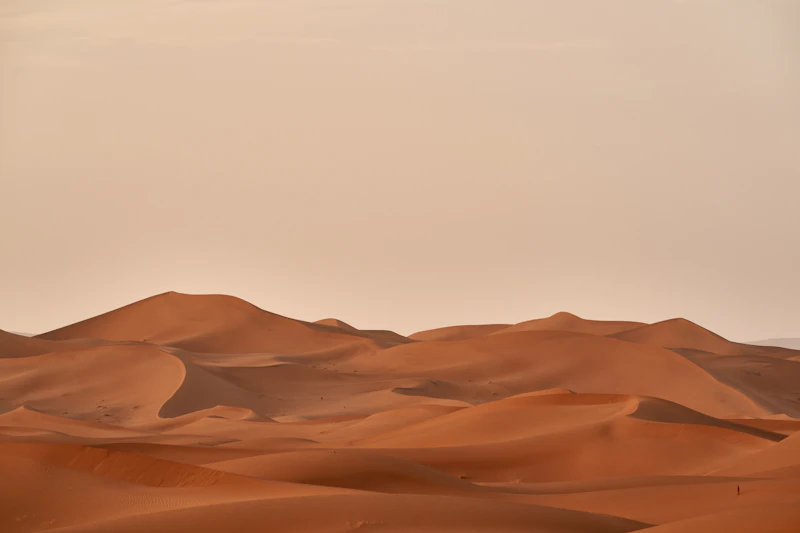
A desert fitness retreat is the ultimate escape from Dubai's urban chaos. Imagine waking to the sound of silence in the golden morning light, practicing yoga as the sun rises over crimson dunes, hiking through pristine landscapes, and ending your day with meditation under star-filled skies. This is what desert fitness retreats offer—a complete physical and mental reset. Part of our Outdoor & Adventure Fitness series, this guide will help you understand what desert retreats offer, how to choose one, and how to maximize the health benefits.
1. What is a Desert Fitness Retreat?
A desert fitness retreat is a structured wellness experience that combines outdoor adventure, fitness training, nutrition coaching, and mindfulness practices in an isolated natural setting. Unlike a typical gym session or spa day, a desert retreat is immersive—typically lasting 1–7 days—and involves total reset of your physical and mental patterns.
Core Elements of a Desert Retreat
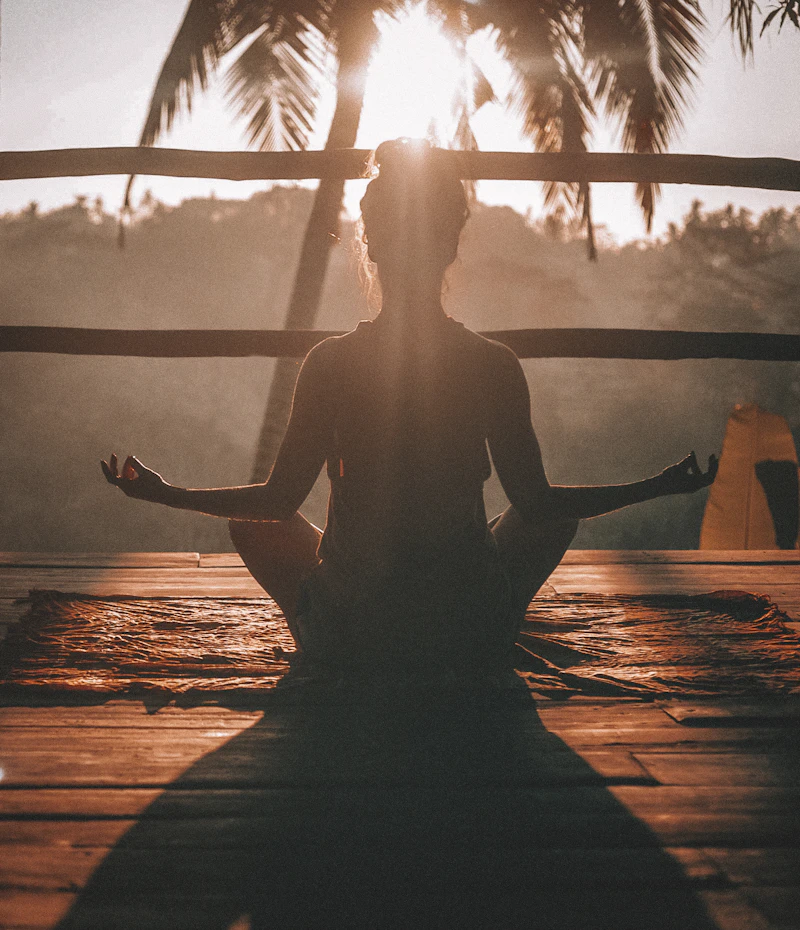
- Sunrise yoga: Usually 90–120 minutes of yoga or movement practice before breakfast, capitalizing on the peaceful early morning energy.
- Desert hiking or trail running: Guided outdoor adventure with scenic exploration and cardiovascular training.
- Fitness bootcamp sessions: Small group training with resistance, functional, or high-intensity exercises.
- Nutrition workshops: Meal planning, hydration strategy, and understanding nutrition for desert fitness.
- Meditation & mindfulness: Guided sessions, often combined with nature immersion and breathwork.
- Recovery modalities: Massage, sauna, cold plunges (at luxury retreats), stretching sessions.
- Community building: Group meals, social activities, accountability partnerships with other retreat participants.
Why Desert Retreats Work
The isolated desert environment creates powerful neurological and physiological shifts. Away from phones, emails, and urban stress, your nervous system begins to downregulate—heart rate variability improves, cortisol (stress hormone) decreases, and mental clarity increases. Combined with structured physical activity, proper nutrition, and group support, desert retreats create measurable fitness and wellbeing improvements in just days.
2. Top Desert Retreat Locations Near Dubai
Dubai's desert hinterland offers several world-class retreat destinations. Each has distinct characteristics, accessibility, and experience quality.
Hatta (60–90 km from Dubai)
Best for: Adventure, hiking, accessible luxury. Terrain: Dramatic mountain desert with wadis (dry riverbeds), date palms, and scenic water features. Accessibility: One-hour drive from downtown Dubai. Facilities: Multiple retreat operators, adventure sports facilities, wellness studios.
Hatta Dam and the surrounding Hajar Mountains provide spectacular scenery. Numerous retreat operators base themselves here, and the area supports everything from budget camping to luxury glamping experiences.
Al Maha Desert Resort
Best for: Luxury all-inclusive retreats. Experience: Five-star resort in pristine desert with private pool villas, professional spa, gourmet dining, and guided wellness programs. Cost: AED 2,500–6,000+/night. Distance: Approximately 45km from downtown Dubai.
Al Maha is Dubai's premier luxury desert destination. It caters to corporate groups, couples' retreats, and individual high-end wellness experiences. The resort offers curated fitness and wellness packages with world-class instructors.
Bab Al Shams Desert Resort
Best for: Mid-to-luxury retreats combining culture and fitness. Experience: Traditional Arabian fort-style architecture merged with modern amenities, spa services, cultural experiences, and fitness programming. Cost: AED 1,200–3,000/night. Distance: 45km from downtown.

Bedouin-Style Glamping Camps
Best for: Authentic desert experience, budget-conscious retreats. Experience: Traditional Bedouin-style tents with modern amenities, communal fires, authentic meals, and guide-led group activities. Cost: AED 400–1,000/night. Locations: Multiple sites in the desert south of Dubai.
These camps offer authentic desert living without the four-star price tag. Many now incorporate wellness programming with yoga instructors, fitness coaches, and nutrition workshops.
3. Types of Activities & Programs
Desert retreats offer extraordinary variety in fitness, wellness, and adventure activities. Most multi-day retreats combine several activities into structured daily schedules.
Movement & Fitness Activities
Yoga & Mobility
- Sunrise vinyasa flow
- Yin/restorative practices
- Mobility & flexibility work
- Breathwork (pranayama)
- Alignment-based training
High-Intensity Training
- Fitness bootcamp sessions
- High-intensity interval training
- Obstacle course training
- Functional fitness circuits
- Group fitness challenges
Adventure & Exploration
- Desert hiking: Guided walks ranging from leisurely 5km nature walks to challenging 15–20km trekking.
- Trail running: Structured runs on desert paths, suitable for varying fitness levels.
- Rock climbing & rappelling: Adventure activities available at some retreat locations (Hatta specifically).
- Camel trekking: Traditional desert transportation combined with cultural immersion.
- Desert photography: Guided walks with focus on capturing landscapes and personal reflection.
Mindfulness & Recovery
- Guided meditation: Morning and evening sessions, often combined with nature immersion.
- Sound baths: Healing sound therapy sessions under the open desert sky.
- Massage & bodywork: Professional therapeutic massage, trigger point release, and myofascial techniques.
- Cold water immersion: Cold plunges and contrast hydrotherapy (at luxury facilities).
- Sauna & steam: Thermal therapies for muscle recovery and detoxification.
5:30–7:00 am: Sunrise yoga. 7:00–8:00 am: Breakfast. 9:00–11:00 am: Desert hiking or adventure activity. 11:00 am–12:30 pm: Nutrition workshop or strength training. 12:30–1:30 pm: Lunch & rest. 3:00–4:30 pm: Massage, sauna, or meditation. 5:00–6:30 pm: Optional fitness session or nature walk. 7:00–8:30 pm: Dinner & group time. 8:30–9:30 pm: Evening meditation or stargazing.
4. Luxury vs Budget Desert Escapes: What's the Difference?
Desert retreats span an enormous price range—from AED 400/night budget glamping to AED 6,000+/night luxury all-inclusive experiences. Understanding the differences helps you choose based on your needs and budget.
| Factor | Budget (AED 400–800) | Mid-Range (AED 800–2,000) | Luxury (AED 2,000–6,000+) |
|---|---|---|---|
| Accommodation | Shared tents, basic amenities | Private rooms, ensuite bathrooms | Private villas, luxury finishes |
| Meals | Basic communal meals | Quality meals with options | Gourmet multi-course dining |
| Instructors | Qualified but limited selection | Certified professionals | World-class specialists |
| Spa/Recovery | Basic stretching only | Massage services available | Full spa, hydrotherapy, sauna |
| Group Size | 15–50 people | 8–20 people | Private groups, 4–10 people |
| Best For | Budget-conscious, social | Balanced value & quality | Premium experience, privacy |
📖 Related Guide: Wellness Retreats Dubai — Complete Guide — our comprehensive resource on spas, detox programmes, Ayurveda and more in Dubai.
Work with a Wellness Coach to Plan Your Retreat
Personal trainers and wellness specialists in Dubai can customize a pre-retreat training programme and post-retreat nutrition plan to maximize your results.
5. Health Benefits of Desert Retreats
Structured research on retreat outcomes shows measurable physical and mental health improvements. A week in the desert can create lasting benefits that persist for months after returning to urban life.
Physical Health Benefits
- Cardiovascular improvement: Sustained aerobic activity (hiking, yoga) improves heart function and VO2 max.
- Metabolic reset: Structured nutrition + activity creates metabolic adaptation that can persist weeks after the retreat.
- Muscular strength: Bootcamp sessions and resistance training build functional strength.
- Joint mobility: Extensive stretching and yoga improve range of motion and reduce joint pain.
- Sleep quality: Desert air, darkness, and absence of artificial light dramatically improve sleep quality and duration.
Mental & Neurological Benefits
- Stress reduction: Isolation from technology and urban stress downregulates the nervous system, reducing cortisol.
- Mental clarity: Absence of cognitive load from phones/emails improves focus and decision-making for weeks.
- Mood elevation: Combination of exercise, nature immersion, and sunlight exposure increases serotonin and dopamine.
- Anxiety reduction: Meditation practice and breathing techniques provide tools for long-term anxiety management.
- Enhanced neuroplasticity: New experiences and learning in retreat environments strengthen neural connections.
6. What to Pack & What to Expect
Essential Packing List
- Fitness clothing: Yoga pants, shorts, athletic shirts (quick-dry), sports bra (if applicable)
- Footwear: Trail hiking shoes, sandals, yoga socks
- Sun protection: High-SPF sunscreen (critical), hat, sunglasses, light layers
- Toiletries: Deodorant, shampoo, toothbrush (many retreats provide basics)
- Medications: Any personal medications, basic pain relievers, electrolyte packets
- Accessories: Water bottle (many provide), yoga mat (usually provided), journal for reflection
- Sleep items: Comfortable pillow, warm layers (desert nights are cold)
Sun exposure in the desert is intense—SPF 50+ is minimum. Hydration requirements are 3–4 litres daily minimum. Wear closed-toe hiking shoes (scorpions and sharp rocks). Tell someone your exact retreat location and dates. Check weather forecasts; dust storms can occur seasonally.
What to Expect During Your Retreat
Day 1–2: Arrival fatigue and adjustment. Your body may feel sore from unaccustomed activity. Sleep may be disrupted due to new environment and physical exertion.
Day 3–4: Breakthrough moment. By mid-retreat, most participants report mental clarity, improved energy, and emotional processing. This is where transformative insights often emerge.
Day 5–7: Deepening and integration. Physical fitness gains become apparent (improved endurance, reduced muscle soreness). Meditation practice deepens. Group bonds strengthen.
7. Best Desert Retreat Providers in Dubai 2026
Luxury All-Inclusive
- Al Maha Desert Resort & Spa: Curated wellness packages, world-class instructors, five-star amenities. AED 2,500–6,000+/night.
- Bab Al Shams Desert Resort: Cultural immersion + fitness, traditional architecture, professional spa. AED 1,200–3,000/night.
Mid-Range Retreat Operators
- Hatta Wellness Camps: Specialized retreat packages, professional yoga instructors, small groups. AED 900–1,800/night.
- Desert Adventure Retreats: Mix of fitness and exploration, flexible programs. AED 700–1,500/night.
Budget Glamping Retreats
- Bedouin Desert Camps: Authentic experience, group activities, community focus. AED 400–800/night.
- Budget Adventure Camps: DIY wellness programming (bring your own instructor or follow online), camping experience. AED 300–600/night.
Read recent reviews on Google and Trustpilot. Ask about instructor qualifications—your yoga teacher should be certified (RYT-200 minimum), fitness coaches certified (NASM, ACE, etc.). Confirm group size caps. Ask specifically about post-retreat support—many good retreats offer follow-up coaching or community groups.
8. Desert Retreats for Corporate Groups
Companies increasingly use desert retreats for team building, leadership development, and employee wellness. The combination of physical challenge, shared experience, and reflection creates powerful team bonds.
Ideal for Corporate Use
- Groups of 10–30 people
- 2–3 day intensive programs (3–7 days ideal)
- Mix of fitness, wellness, team challenges, and reflection
- Private retreat spaces (most luxury operators accommodate corporate groups)
- Customizable agendas incorporating company goals
Common Corporate Retreat Components
Morning fitness bootcamps build camaraderie and energy. Afternoon workshops on nutrition, stress management, or leadership integrate wellness education. Group challenges (obstacle courses, team hikes) foster collaboration. Evening reflections and meditation sessions promote psychological safety and vulnerability.
Contact Al Maha, Bab Al Shams, or Hatta retreat operators directly for corporate group packages. Most customize pricing, activities, and timelines for groups.
9. How to Book a Desert Fitness Experience
Step-by-Step Booking Process
- Define your goals: What do you want from the retreat? Weight loss, fitness gains, stress relief, skill development?
- Set your budget: Daily cost varies massively. Decide your price range upfront.
- Choose your dates: October–April is ideal. Check weather forecasts for your planned dates.
- Research 3–5 providers: Read reviews, compare amenities, instructor qualifications, group sizes.
- Contact providers directly: Email or call to ask specific questions about accommodation, meals, instructor experience, post-retreat support.
- Request sample schedules: Ask to see typical daily agendas. Confirm the activities match your interests.
- Book with deposits: Most require 30–50% deposit to reserve. Confirm cancellation policy.
- Prepare physically and mentally: 2–4 weeks before, increase fitness activity, start hydration practices, mentally prepare for change.
Questions to Ask Before Booking
- What are instructor qualifications and experience?
- What is the maximum group size?
- Are activities scalable for different fitness levels?
- What meals are included? Any dietary accommodations?
- Do you provide post-retreat follow-up or coaching?
- What is the cancellation/refund policy?
- Are photos/recordings permitted?
- What is the Wi-Fi situation? (Many retreats intentionally limit connectivity)
10. Frequently Asked Questions
Are desert fitness retreats suitable for beginners?
Absolutely. Most quality retreats offer modifications for all fitness levels. Communicate your fitness level and any injuries when booking. Good retreat operators assign instructors who can scale activities appropriately.
Can I combine a desert retreat with personal training?
Yes. Many Dubai personal trainers specialize in pre-retreat conditioning and post-retreat accountability coaching. Some trainers operate their own retreat programmes or partner with retreat facilities.
How long should my first retreat be?
2–3 days is a good introduction. 5–7 days creates deeper transformation. One-day experiences exist but offer limited benefit. Plan for 72 hours minimum to allow nervous system downregulation.
Will I see fitness results from a retreat?
Short-term yes (improved energy, better sleep, reduced water retention, improved mood). Lasting results depend on post-retreat habits. Without lifestyle changes after returning to Dubai, benefits often fade within 4–6 weeks. Combine retreat with ongoing coaching for sustained transformation.
What's the best time of year for a desert retreat?
October–April offers ideal conditions (20–28°C). Summer retreats operate but with modified timing (early morning/late evening activities). Ramadan period affects meal timing and community participation.
Can I bring my family to a desert retreat?
Most adult-focused retreats don't accommodate children. However, some family-friendly camps exist. Ask specifically when booking—some operators offer family weekend experiences or can suggest family-friendly alternatives.