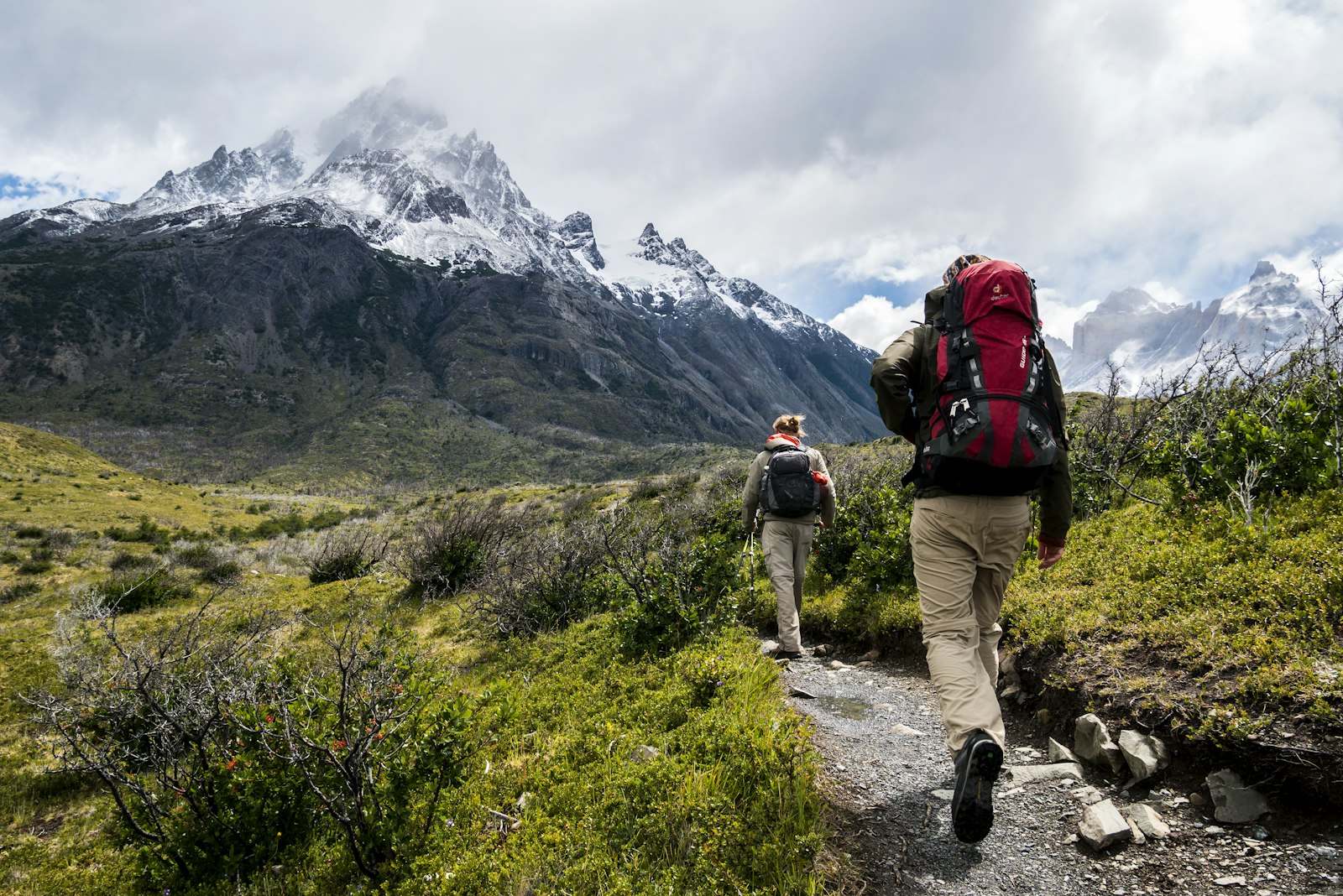
Dubai's urban landscape is spectacular, gleaming towers, world-class beaches, and relentless sunshine. But beyond the city lies something many visitors and residents never discover: some of the Middle East's most beautiful mountains, dramatic wadis, and incredible desert landscapes. If you are looking to escape the concrete jungle and experience genuine mountain hiking and trail running within hours of Dubai, you are in for a treat. This comprehensive guide covers everything you need to know to start hiking and trail running safely and confidently across the UAE.
For more on outdoor adventure fitness in Dubai, check out our complete Outdoor & Adventure Fitness guide.
1. Why Hiking and Trail Running Near Dubai is Incredible
The UAE's geography is astonishingly diverse. Within a 2 to 3 hour drive from Dubai, you can move from desert to high mountains, from dry wadis to lush river valleys. This diversity makes the region exceptional for hiking and trail running, there is a trail for every fitness level and interest.
The Hajar Mountains: A World-Class Range on Your Doorstep
The Hajar Mountain range runs along the UAE-Oman border and contains some of the most spectacular trails in the Arabian Peninsula. These are proper mountains, not sand dunes. The highest peak, Jebel Jais in Ras Al Khaimah, reaches 1,934 metres and offers stunning summit views, via ferrata climbing routes, and multiple trail options for all abilities.
Dramatic Wadis and River Systems
A wadi is a valley or watercourse that is dry except during heavy rainfall. In the UAE, many wadis have semi-permanent water and lush vegetation, creating beautiful hiking experiences. Wadi Shawka in Ras Al Khaimah is particularly stunning, a scenic river wadi with natural pools perfect for summer swimming.
Desert Trails and Flat Routes
For those who prefer lower-impact hiking or trail running, the desert around Dubai offers endless possibilities. Al Qudra, just south of Dubai, is a popular cycling and running destination with flat, scenic trails. The Dubai Desert Conservation Reserve also has excellent guided and unguided trails.
2. Best Hiking Trails Near Dubai
Here are the most popular and rewarding hiking trails within 1 to 3 hours of Dubai, ranked by difficulty:
Jebel Jais, Ras Al Khaimah, UAE's Highest Peak
Distance: 14km (summit route) | Difficulty: Moderate to Hard | Elevation gain: 1,000m | Best season: November to March
Jebel Jais is the crown jewel of UAE hiking. The mountain offers multiple routes ranging from 8 to 18km depending on your starting point and objective. The main summit trail is a steady, rewarding ascent through rocky terrain and occasional steps. Views from the top are extraordinary, on clear days, you can see across the mountains to Oman and down to the coast.
The mountain is also home to the famous Jebel Jais Flight Line (zipline), which runs 1.76km down the mountainside. Many hikers combine a summit trek with the zipline descent for a memorable day out. There is also a via ferrata route (secured climbing path) on the north face for experienced climbers.
Getting there: About 2 hours from Dubai city centre. Park at the Jebel Jais parking area (coordinates available on Google Maps). Early starts (6am) are essential during cooler months.
Wadi Shawka, Ras Al Khaimah, Scenic Wadi Hiking
Distance: 8km | Difficulty: Easy to Moderate | Season: October to April
Wadi Shawka is one of the most beautiful and accessible hiking destinations near Dubai. The trail winds through a scenic wadi with natural pools, lush vegetation, and stunning rock formations. The water in the pools is typically clean and cool, perfect for a refreshing swim at the end of the hike.
This trail is ideal for beginners and families. The terrain is generally flat, and the scenery is magnificent. Go early to avoid crowds, especially on weekends. Bring plenty of water and suitable footwear, there are rocky sections and occasional stream crossings.
Getting there: About 90 minutes north of Dubai. Follow signs to Ras Al Khaimah and then inland towards Wadi Shawka. A 4WD is recommended, though high-clearance vehicles may manage the access road.
Hatta Mountain Trails, Multiple Routes, Close to Dubai
Distance: 5 to 12km (various loops) | Difficulty: Easy to Hard | Season: October to April
Hatta, an enclave of Dubai located inland toward Oman, has developed into a world-class hiking and adventure destination. The Hatta Wadi Hub offers multiple curated trails, a scenic dam, mountain biking routes, and a growing community of outdoor enthusiasts.
The range of trails means everyone can find something suitable. The easier routes (4 to 6km) follow the wadi and are perfect for families and beginners. Intermediate routes (8 to 10km) combine wadi and mountain sections. Hard routes (12km+) offer technical terrain and significant elevation gain.
Getting there: About 1 hour from Dubai city centre via the Hatta Road (E11). The Hatta Wadi Hub has excellent facilities, including a café, parking, and trail information.
Jebel Hafeet, Al Ain, Iconic Mountain Road
Distance: 10km | Difficulty: Moderate | Elevation gain: 1,000m | Season: November to March
Jebel Hafeet is a popular day trip from Dubai (about 2 hours away). The mountain offers a scenic, well-maintained road to the summit and multiple hiking routes. The road itself is a famous cycling route, popular with road cyclists.
The hiking trails offer spectacular views across Al Ain and the surrounding desert. The summit has a restaurant and viewing platform. This is a great option if you want to combine hiking with other activities or visit Al Ain's attractions (including the Al Ain Zoo and heritage sites).
Al Ain Desert Trails, Desert Adventure
Distance: 5 to 15km (variable) | Difficulty: Easy to Moderate | Season: October to March
For a true desert hiking experience, Al Ain's surrounding desert offers endless possibilities. Trails vary from flat, easy walks to more challenging dune and mountain combinations. A local guide is highly recommended for desert hiking, as navigation can be challenging and heat exposure is a real risk.
Getting there: Al Ain is 2 to 2.5 hours from Dubai. Many tour operators offer guided desert hiking experiences.
Trail Comparison Table
| Trail | Location | Distance | Difficulty | Best Season |
|---|---|---|---|---|
| Jebel Jais Summit | Ras Al Khaimah | 14km | Hard | Nov March |
| Wadi Shawka | Ras Al Khaimah | 8km | Easy Moderate | Oct April |
| Hatta Trail Series | Hatta (Dubai) | 5 to 12km | Easy Hard | Oct April |
| Jebel Hafeet | Al Ain | 10km | Moderate | Nov March |
| Al Qudra Loop | Dubai (South) | 8 to 50km | Easy (flat) | Oct April |
3. Trail Running Routes Near Dubai
If hiking is not enough and you want to run on trails, the UAE offers excellent options. Trail running combines the cardiovascular challenge of running with the lower-impact surface of trails and the natural beauty of mountains and desert.
The Hatta Trail Series
The Hatta Wadi Hub hosts a series of organised trail running events throughout the season (October to April). These range from 5km fun runs to 21km half marathons, all following scenic mountain and wadi trails. The community is welcoming to runners of all levels.
Jebel Jais Trail Run
An annual trail running event held each year, usually in winter, featuring multiple distance options. This is one of the most prestigious trail races in the Middle East. Runners tackle the challenging mountain terrain for an unforgettable experience.
Al Qudra Loop
While not a technical mountain trail, Al Qudra is an outstanding location for trail running. The 8 to 50km flat loop through the desert is perfect for building running fitness and exploring the landscape. Many Dubai runners do weekly long runs here. It is accessible from Dubai in about 45 minutes by car.
Dubai Desert Conservation Reserve
This protected reserve has excellent, well-maintained trails through representative desert landscape. Running here combines fitness training with conservation, the reserve charges an entrance fee, which supports habitat protection.
See also our comprehensive guide: Best Running Routes in Dubai (2026).
Train for Your UAE Trail Adventure
Find a personal trainer in Dubai to build your hiking fitness, improve endurance, and prepare safely for UAE mountain trails and trail races.
4. Safety Essentials for UAE Hiking
The UAE's mountain and desert environment presents specific challenges. Understanding and respecting these is crucial for a safe and enjoyable experience.
Extreme Heat
This is the single most important safety factor. Between June and September, daytime temperatures in the mountains exceed 45°C and can reach 50°C. Even trained hikers cannot safely hike in this heat. Mountain hiking in the UAE is really only safe October to March.
Even in the cooler season, sunrise and early-morning starts are essential. A 7am start in winter means you will finish your hike by noon when the sun is strongest. Bring 2 to 3 litres of water per person minimum.
Summer hiking (June September) is genuinely dangerous. Stick to October March. Even in cooler months, start early, bring excess water, and never hike alone. Dehydration and heat exhaustion kill people in the UAE mountains. Take it seriously.
Dehydration and Hydration Strategy
The combination of heat, altitude (Jebel Jais reaches 1,934m), and physical exertion means your body loses water rapidly. Drink before you are thirsty. A good strategy is to drink 200 to 300ml of water every 15 to 20 minutes during hiking.
Electrolyte replacement (salt, potassium, magnesium) matters on long hikes. Consider bringing electrolyte tablets or sports drink powder mixed into your water.
Snakes and Wildlife
The Hajar Mountains are home to several snake species, including some venomous varieties (Arabian viper, puff adder). The good news: snakes are timid and avoid humans. If you hike normally and make noise as you walk, you are extremely unlikely to encounter one.
If you do see a snake, simply give it space and it will move away. Wear closed-toe hiking boots and long trousers on technical trails to protect against accidental bites.
Navigation and Getting Lost
Mobile signal can be patchy in remote mountain areas. Download offline maps of your trail before leaving (Google Maps, AllTrails, or hiking apps allow offline downloads). Carry a physical map if you are unfamiliar with the area.
Stick to marked trails, especially on your first visit. The major trails (Jebel Jais, Wadi Shawka, Hatta) are well-marked and heavily used. If you venture onto less-known routes, go with someone experienced or hire a local guide.
Sun Protection
UV exposure is intense at altitude and in the reflective desert. Sunscreen (SPF 50+), a hat, and sunglasses are non-negotiable. Sunburn is not just uncomfortable, severe sunburn can lead to heat exhaustion and dehydration.
Footwear and Injuries
Proper hiking boots with ankle support are essential for rocky terrain. Broken ankles far from help are serious emergencies. Good boots also protect against scorpions and snake bites (rare, but possible). Trail shoes are acceptable for easier, well-maintained trails.
5. Best Time of Year to Hike Near Dubai
Timing is everything in UAE hiking. The seasons determine not just comfort, but actual safety.
October to March, Prime Hiking Season
This is the only window when mountain hiking is genuinely safe and enjoyable. Daytime temperatures in the mountains range from 15 to 28°C depending on month and elevation. Early morning temperatures can drop to 5 to 10°C, so layers are important.
October is warm (25 to 30°C). November to February is ideal, cool enough for comfortable exertion but warm enough that you won't freeze at the summit. March starts warming up but is still excellent.
April and May, Transitional, Risky
Temperatures begin climbing rapidly. Early April can still be manageable, but by mid-April, daytime highs exceed 35°C. Hiking is possible with very early starts, but the window is shorter and heat risk is elevated.
June to September, Not Safe
Mountain hiking in these months is genuinely dangerous. Daytime highs exceed 45°C regularly, and ground temperature can exceed 60°C. Heat exhaustion, dehydration, and heat stroke are real risks even for fit, experienced hikers.
If you are living in Dubai during summer and desperate to hike, focus on very early morning efforts (5 to 6am starts) on low-altitude desert trails, or consider moving your hiking practice to higher elevations in Oman (Jebel Akhdar stays 10 to 15°C cooler) or even to cooler countries until autumn returns.
6. What to Pack for Hiking Near Dubai
Smart packing means the difference between a great day and a miserable (or dangerous) one.
Essential Items, Never Skip These
- Water: 2 to 3 litres minimum per person. More for hard hikes and warm days.
- Snacks and energy: Trail bars, nuts, dried fruit, or gels. Calorie needs increase with altitude and exertion.
- Sun protection: SPF 50+ sunscreen, hat, sunglasses.
- Navigation: Physical map and offline downloaded map on phone.
- First aid: Basic kit, bandages, blister treatment, pain relief, antihistamine for stings.
- Torch/headlamp: Even on day hikes, if you are delayed, you might descend in twilight.
- Communication: Mobile phone with full battery. A power bank is useful.
- Hiking boots or trail shoes: Proper footwear prevents injuries.
- Layers: An extra layer for the summit or for cooling down quickly if you overheat.
Optional But Smart
- Trekking poles, reduce impact on knees on descent, especially helpful on steep trails.
- Electrolyte tablets, crucial on long, hot hikes.
- Insect repellent, can be useful, though biting insects are less common at altitude.
- Whistle, for safety if separated from group.
- Micro-towel or buff, moisture-wicking and useful for sweat and sun cover.
7. Dubai-Based Hiking and Trail Running Communities
One of the joys of hiking in Dubai is the vibrant community. The city attracts outdoor enthusiasts from around the world, and there is a strong social element to hiking here.
Facebook Groups and Meetup Communities
Several active Facebook groups organise regular hikes. "Trail Running UAE," "Hiking Dubai," and "Hatta Trail Runners" are popular. These groups post upcoming events, share advice, and create a welcoming environment for both beginners and experienced hikers.
Running Clubs with Trail Components
Many Dubai running clubs organise mountain trail runs and long runs as part of their activities. Groups like the Hash House Harriers have trail running traditions. Check Dubai running guides for club contact information.
Adventure Tour Operators
Companies like Arabian Adventures and other local tour operators run guided hiking trips to the major mountains. This is an excellent way to learn the trails, meet other hikers, and ensure safety through experienced guides.
8. Organised Trail Races and Events in UAE 2026
If you want to structure your hiking and trail running around organised events, several key races happen each year:
Jebel Jais Trail Run
Held annually (typically January February), this is the premier trail race in the UAE. Multiple distance options (10km, 21km, 42km ultra) mean all levels can participate. The event is well-organised and includes professional timing, support stations, and a strong community atmosphere.
Hatta Trail Series
Multiple events throughout the season, including 5km fun runs and longer distance options. Races are held monthly during the hiking season. Entry is usually affordable and the community is welcoming to first-time trail runners.
Al Qudra Trail Events
Various running clubs and tour operators organise Al Qudra trail runs and long runs. These are often informal, grassroots events rather than official races.
Check local Facebook groups and running club websites for up-to-date 2026 event calendars. Many events are announced only a few weeks in advance.
9. Training for Hiking with a Personal Trainer in Dubai
If you are serious about hiking, whether training for Jebel Jais or simply wanting to improve your hill fitness and endurance, a personal trainer can be invaluable.
What Trail-Specific Training Looks Like
A good hiking-focused personal trainer will design a programme that combines:
- Leg strength and power: Squats, lunges, step-ups, and calf work build the muscles you need for climbing and descending.
- Core stability: A strong core improves balance on technical terrain and reduces injury risk.
- Cardiovascular endurance: Trail hiking requires sustained aerobic output. Long runs, hill repeats, and stair work build this.
- Movement quality: A trainer teaches you to move efficiently, crucial for endurance and injury prevention.
- Altitude preparation: If training for high-altitude hikes like Jebel Jais, a trainer can prepare your body for the oxygen demands.
- Injury prevention: Weak ankles, tight hips, and poor movement patterns are common causes of hiking injuries. A trainer identifies and fixes these.
Finding a Hiking-Focused Trainer
Not all personal trainers have experience with hiking-specific training. Look for trainers who have:
- Experience with outdoor fitness training
- Knowledge of functional movement and trail-specific conditioning
- Ideally, their own hiking or trail running experience
- Ability to work with you outdoors (Al Qudra, Hatta) for real-world training
Browse GetFitDXB's trainer directory and filter for outdoor fitness or endurance specialists. Many will offer free consultations where you can discuss your hiking goals.
Lead Hiking or Trail Running Groups Near Dubai?
List your outdoor adventure fitness services on GetFitDXB, hiking guides, trail running coaches, and outdoor fitness leaders welcome.
Frequently Asked Questions
Can you hike near Dubai?
Yes, there are excellent hiking options within 1 to 3 hours of Dubai. The Hajar Mountains in Ras Al Khaimah offer proper mountain trails, Hatta has a well-developed trail network, and Wadi Shawka provides beautiful wadi hiking. For city-based hiking, Al Qudra desert trails offer flat terrain with stunning desert scenery.
What is the best hike near Dubai for beginners?
Wadi Shawka in Ras Al Khaimah is widely recommended for beginner hikers near Dubai, it's an 8km trail through a scenic wadi with natural pools, manageable terrain, and not too remote. Hatta Trail's easier routes are also excellent for beginners and accessible from Dubai in about an hour.
When is the best time to hike near Dubai?
October to March is the ideal hiking season near Dubai, with temperatures ranging from 15 to 28°C in the mountains. April can be warm but still manageable. Avoid hiking between June and September, summer heat makes mountain hiking genuinely dangerous, with temperatures exceeding 45°C.
Are there organised trail running races in the UAE?
Yes, the UAE has a growing trail running scene. The Jebel Jais Trail Run (annual, Ras Al Khaimah), the Hatta Trail Series, and various community-organised runs are popular. Trail Running UAE and similar Facebook groups list upcoming events. Many Dubai-based running clubs also organise regular mountain day trips.
What safety gear do I really need for UAE hiking?
Non-negotiable: proper hiking boots, 2 to 3 litres of water per person, SPF 50+ sunscreen, hat, and offline maps. A torch/headlamp is also essential. Beyond that, a first aid kit, electrolyte replacement, and a communication device (mobile phone) are crucial for safety.
Is trail running in Dubai different from road running?
Yes. Trail running involves uneven terrain, elevation changes, and natural obstacles. It is easier on joints than road running but requires different technique and fitness. Trail shoes (which have more grip and cushioning suited to irregular surfaces) are recommended. Many road runners find trail running slower but more enjoyable and less injury-prone.
- Excellent mountain hiking is available within 1 to 3 hours of Dubai
- October to March is the only safe season for mountain hiking
- Jebel Jais, Wadi Shawka, and Hatta are the most popular destinations
- Heat and dehydration are the biggest safety risks, plan accordingly
- A vibrant community of hikers and trail runners exists in Dubai
- Personal trainers can help you build specific hiking fitness and endurance
- Trail running races like the Jebel Jais Trail Run attract competitors from around the region
- Al Qudra offers accessible, flat desert running with stunning scenery