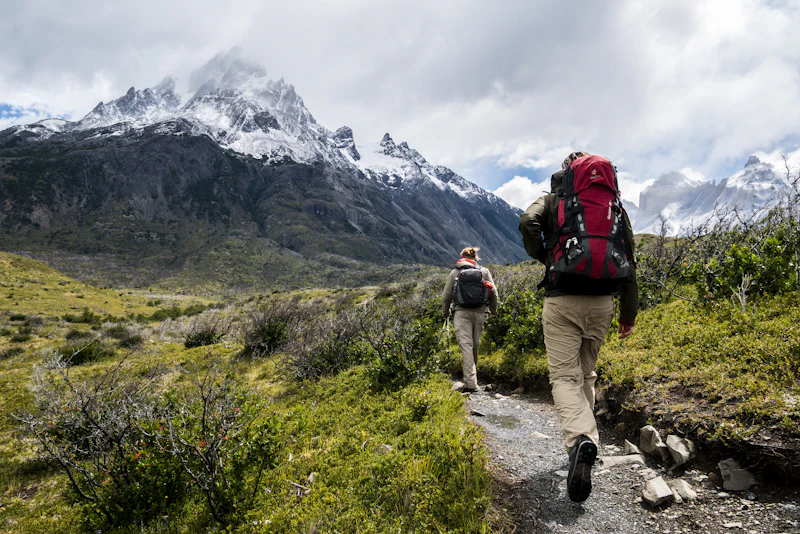
Dubai may be synonymous with skyscrapers and desert dunes, but within a 90-minute drive lies one of the Arabian Peninsula's most dramatic mountain landscapes — the Hajar Mountains, stretching from Ras Al Khaimah through Fujairah and deep into Oman. For residents and visitors seeking a serious fitness challenge beyond the gym, UAE mountain hiking offers stunning terrain, cooler elevations, and a complete physical and mental reset.
This guide covers every major hiking destination accessible from Dubai, the fitness benefits of trail walking and mountain hiking, seasonal advice, essential gear, safety protocols, and how to connect with the UAE's growing trail community. Whether you're a complete beginner looking for a gentle 2-hour walk or an experienced trail runner eyeing a 30km mountain traverse, the UAE has more to offer than most people realise.
Why Hiking Is One of Dubai's Best Fitness Secrets
Walking on uneven mountain terrain activates significantly more muscle groups than gym cardio or flat-surface running. A 2-hour mountain hike with 400 metres of elevation gain burns approximately 600–900 kcal depending on body weight and pack load — comparable to an intense CrossFit session but with dramatically lower joint impact.
The functional fitness benefits are substantial. Hiking develops single-leg stability and balance through constant micro-adjustments on rocky terrain. The glutes, hip abductors, and deep core stabilisers receive sustained activation that most gym programmes neglect. Downhill hiking, often overlooked, is particularly effective for eccentric quadriceps strength — a key predictor of knee injury resilience.
Beyond the physical, the research on nature-based exercise and mental health is compelling. A 2019 study in Science found that spending two hours per week in natural settings was associated with significantly better health and wellbeing outcomes. The UAE's mountain landscapes — narrow wadis, ancient falaj irrigation channels, terraced date farms, and dramatic ridge lines — provide genuine sensory contrast to Dubai's urban environment.
For Dubai expats prone to "same-same" fitness routines, hiking introduces training variety that challenges proprioception, cardiovascular endurance, and mental focus simultaneously. It's also genuinely social — UAE hiking groups regularly attract 20–60 participants for weekend mountain walks, making it a community activity in a way few gym sessions can be.
UAE Hiking Destinations: Trail by Trail Guide
Jebel Jais — Ras Al Khaimah (UAE's Highest Peak)
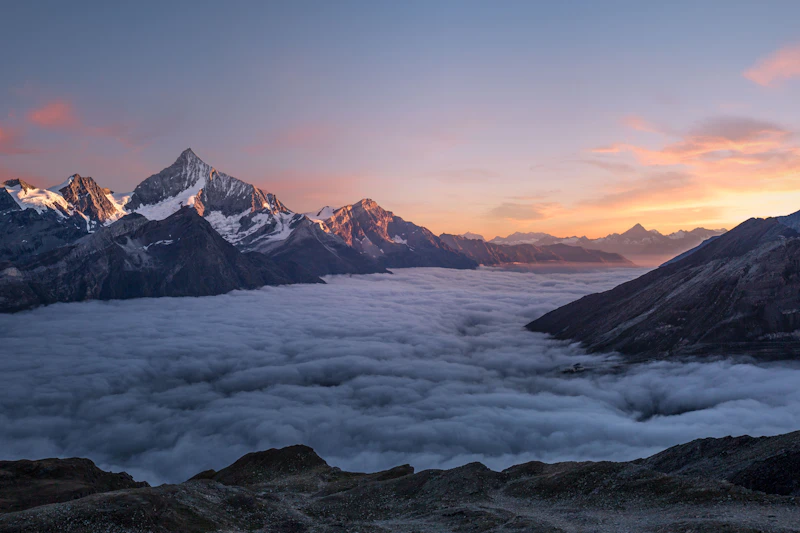
Jebel Jais is the UAE's highest peak and the flagship hiking destination. The mountain road winds up to 1,600m where the Via Ferrata and multiple marked trails begin. The summit walking trail offers panoramic views across RAK and into Oman. The Jebel Jais Flight (world's longest zipline at 2.83km) sits at the summit for those wanting an adrenaline reward post-hike.
Best trails: Jebel Jais Walking Trail (5km, moderate), Jais Adventure Peak trail (7km, hard), and the Via Ferrata (3 graded routes, requires harness rental from Toro Verde). Temperature at the summit is typically 10–15°C cooler than sea level. Bring layers — the wind can be sharp in December–February.

Hatta — Dubai's Mountain Exclave
Hatta is Dubai's mountain village territory, sitting at the edge of the Hajar range on the Oman border. The Hatta Heritage Village and Hatta Dam are the most visited spots, but the hiking network — managed by the Hatta Mountain Conservation Area — offers 30+ kilometres of marked trails ranging from easy 45-minute loops to strenuous 4-hour ridge walks.
Best trails: Hatta Dam Loop (3.5km, easy), Wadi Hub Trail (7km, moderate), Hatta Rock Pools hike (5km, moderate with some scrambling). Mountain bike trails are world-class and many hikers combine both activities. The Hatta Hub resort provides good facilities, accommodation, and equipment rental including e-bikes and kayaks on the dam.
Wadi Shawka — Ras Al Khaimah
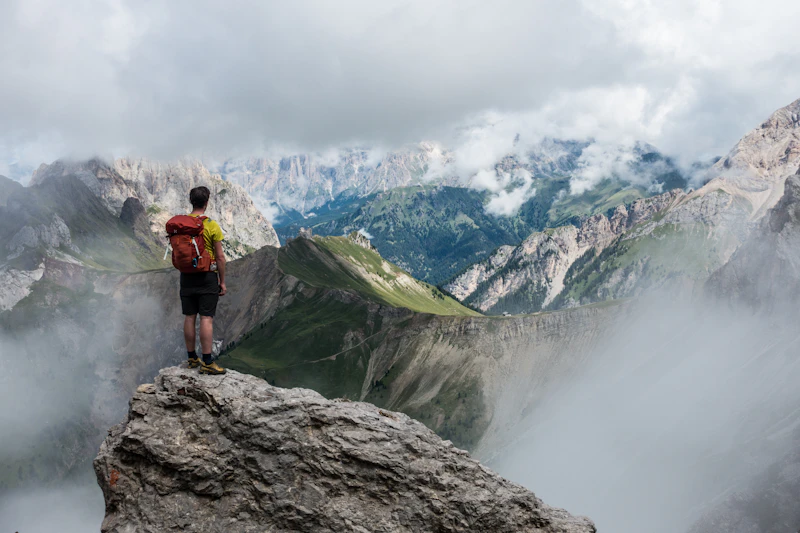
One of the most beautiful wadi (dry riverbed) hikes in the UAE, Wadi Shawka fills with crystal-clear pools after winter rains (typically November–February). The canyon walls rise dramatically as you progress upstream. The trail is relatively flat — more of a wadi walk than a mountain climb — making it ideal for beginners or family groups.
Best trails: Shawka Pools Walk (4–8km depending on depth, easy), Shawka Canyon Loop (12km, moderate). The pools make this a particularly rewarding post-hike. Water shoes are essential if you want to wade. Check conditions before going as the route depends entirely on rainfall — dry season often means no pools.
Wadi Naqab — Ras Al Khaimah
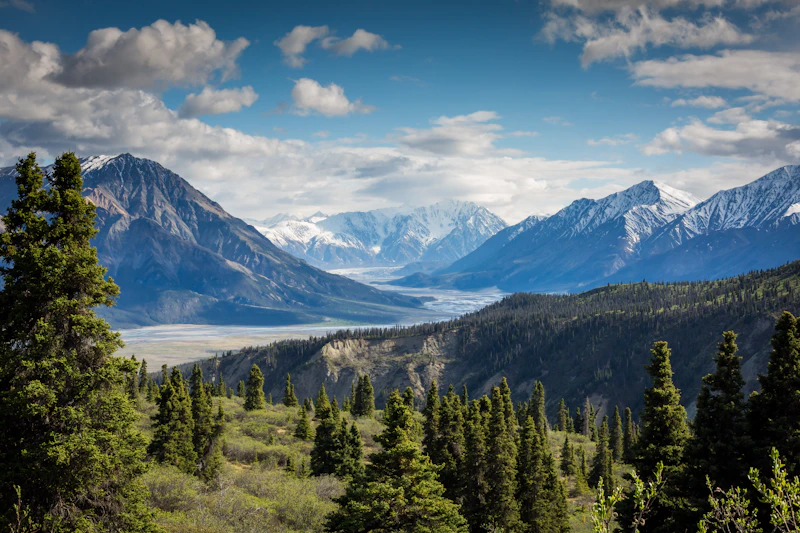
For experienced hikers seeking a challenge, Wadi Naqab delivers the UAE's most dramatic mountain scenery. The trail ascends through a winding gorge before emerging onto a high plateau with 360-degree Hajar Mountain views. Locals compare the dramatic layered rock formations to Utah's canyon country. This is serious terrain — route-finding skills and solid footwear are essential.
Best trails: Naqab Loop (11km, hard, 600m elevation gain), Naqab Rim Walk (14km, very hard). Start no later than 7am, carry 3+ litres of water per person, and download the AllTrails UAE map offline before going. Mobile signal is unreliable in the wadi.
Masafi to Dibba — Cross-Mountain Traverse (Fujairah)
The cross-Hajar traverse from the UAE's interior to the East Coast via ancient mountain tracks is the UAE's ultimate hiking challenge. Traditional paths (called sikaak) once used by Omani traders connect mountain villages and pass through remarkable Emirati heritage. The full traverse from Masafi to Dibba can be done as a long day (25km, 8+ hours) or split into two days with a mountain camp.
This route requires a guide or significant off-trail navigation experience. The UAE Hiking & Trekking Facebook group regularly organises guided versions. Alternatively, various sections can be hiked as out-and-back day trips from the Fujairah and Masafi sides.
Find a Fitness Trainer for Trail Prep
A personal trainer can build the hiking fitness you need — leg strength, endurance, and stability for mountain terrain.
Find a TrainerSeasonal Hiking Guide: When to Go
| Month | Temperature (Dubai) | Mountain Temp | Hiking Suitability | Notes |
|---|---|---|---|---|
| October | 28–35°C | 18–25°C | ⭐⭐⭐⭐ | Season opening — busy but warm |
| November | 22–30°C | 14–20°C | ⭐⭐⭐⭐⭐ | Peak season begins |
| December | 18–25°C | 8–16°C | ⭐⭐⭐⭐⭐ | Best conditions — occasional rain fills pools |
| January | 15–22°C | 5–14°C | ⭐⭐⭐⭐⭐ | Coldest month — summit layers essential |
| February | 16–23°C | 8–16°C | ⭐⭐⭐⭐⭐ | Peak wildflower season, possible rain |
| March | 20–28°C | 12–20°C | ⭐⭐⭐⭐⭐ | Ramadan often falls here — early starts |
| April | 24–33°C | 15–24°C | ⭐⭐⭐⭐ | Season ending — start very early |
| May–September | 35–45°C | 28–38°C | ⛔ | Dangerous — heat stroke risk even at altitude |
Essential Hiking Gear for the UAE
The UAE's terrain demands specific gear considerations different from European or North American hiking. Rocky limestone surfaces, intense UV radiation even in cooler months, and remote locations with limited rescue coverage shape the gear essentials.
Trail Shoes or Light Hiking Boots
Vibram or similarly grippy soles essential for limestone scrambling. Full waterproofing less critical than grip. Brands: Salomon, Merrell, Hoka Speedgoat.
Hydration — More Than You Think
Minimum 3 litres for a 4-hour hike. A hydration bladder (Camelbak or Osprey) beats bottles on technical terrain. Add electrolyte tabs — sodium losses are high even in cool UAE winter.
Sun Protection
Even at 18°C, UV index in the UAE remains high. Wide-brim hat, SPF 50+ sunscreen, UV-protective long sleeves recommended. Sunburn at altitude accelerates dehydration.
Wind/Insulation Layer
Jebel Jais summit temperatures can drop to 5°C with wind chill in January. Pack a lightweight down or fleece — you won't need it until you stop moving, then you'll be glad you have it.
Navigation & Communication
Download AllTrails UAE, Maps.me or Gaia GPS offline before hiking — mobile data is unreliable in wadis. Share your hiking plan with someone at home. Some hikers carry a Garmin inReach Mini for emergency SOS.
First Aid Essentials
Blister treatment (Compeed or Leukotape P), wound dressings, elastic bandage for ankle support, antihistamine (desert scorpions are rare but present), and a foil emergency blanket.
Hiking Fitness Benefits: What the Science Says
Mountain hiking is a legitimate high-quality workout that develops multiple physical capacities simultaneously. Understanding the specific adaptations helps you programme hiking strategically alongside your gym training.
Cardiovascular Conditioning
Elevation gain generates sustained zone 2 cardiovascular effort — the moderate-intensity zone increasingly recognised as the most important predictor of longevity and aerobic base development. A 600m elevation gain hike sustained over 2–3 hours delivers similar zone 2 adaptation to a long cycling session, with the added benefit of real terrain challenge keeping mental engagement high.
Lower Body Strength
UAE trail terrain requires constant single-leg loading over unstable surfaces. The glute medius, VMO (vastus medialis oblique), and tibialis anterior — all typically undertrained in gym settings — receive substantial stimulus. Research from the University of Vienna found that 12 weeks of regular mountain hiking produced significant improvements in leg press strength, balance, and walking economy in older adults.
Eccentric Leg Strength (Downhill)
Descending steep terrain demands high-force eccentric quadriceps contractions to control descent speed. This eccentric loading pattern is a powerful stimulus for quad hypertrophy and tendon resilience. Many trail runners deliberately incorporate long downhill sections to develop the eccentric strength that protects knees during running.
Core Stability and Balance
Scrambling over rocks, wading through wadi pools, and navigating loose scree all require continuous reactive core activation. The deep stabilisers — multifidus, transversus abdominis, and hip external rotators — fire constantly in a way no static core exercise can replicate. This functional core training transfers directly to gym performance and injury prevention.
Bone Density
Weight-bearing exercise on varied terrain produces mechanical loading that stimulates bone remodelling. Regular hiking has been shown to maintain and improve bone mineral density, particularly relevant in the UAE where vitamin D deficiency is paradoxically common (sun avoidance due to heat, conservative dress, and air-conditioned living) and contributes to poor bone health in a significant proportion of residents.
UAE Hiking Communities and Guided Groups
The UAE has a remarkably active hiking community, largely organised through social media and WhatsApp groups. Groups typically meet at 6–7am on Fridays or Saturdays for 3–6 hour hikes, then share a meal afterwards — creating a social dynamic that keeps people consistent through the season.
Key UAE hiking communities: UAE Hiking & Trekking (Facebook, 15,000+ members), RAK Mountain Guide (licensed Emirati guides for Jebel Jais and surrounding peaks), Dubai Hiking Group (WhatsApp community, beginner-friendly), and UAE Trail Runners (more athletic focus with competitive elements). Commercial operators including Absolute Adventure, Adventurama, and Desert Rose Tourism offer guided day hikes with transport from Dubai for AED 200–400 per person including breakfast.
For those wanting a more structured introduction, several personal trainers in Dubai now offer outdoor training sessions that incorporate hiking — combining trail fitness with coaching on movement mechanics, breathing, and pacing. This bridges the gap between gym training and mountain fitness effectively.
Hiking and Training: How to Integrate Both
Many Dubai gym-goers treat hiking as separate from their "real" training — a recreational activity rather than a training tool. This is a missed opportunity. Strategic hiking integration can accelerate athletic development in several ways.
For endurance athletes (runners, cyclists, triathletes), hiking provides low-impact aerobic volume that accumulates training adaptation without the repetitive stress of continuous running. A 4-hour Friday hike replaces a long run session while developing terrain-specific leg stability often absent from road athletes' programming. See our guide to triathlon training in Dubai for more on endurance programming.
For strength athletes (powerlifters, bodybuilders), hiking introduces cardiovascular conditioning and functional movement patterns that complement heavy lifting without detracting from recovery. The unilateral demands of trail walking address the bilateral dominance patterns that pure barbell training develops.
For general fitness, a monthly hiking day serves as both active recovery and a reminder that fitness should prepare you for life's physical demands — not just the gym floor. Many clients report that hiking reconnects them with intrinsic motivation for fitness after gym monotony sets in. Explore personal training in Dubai to find coaches who incorporate outdoor and functional training.
Ramadan Hiking: Adapting for the Fasting Month
Ramadan falls in the cooler months every few years, coinciding with peak hiking season. Fasting hikers can absolutely continue hiking during Ramadan with intelligent modifications. Early morning hikes (pre-dawn suhoor, complete before 9am) allow you to stay well-hydrated and fuelled before the fast begins. Avoid hiking during fasting hours — dehydration risk on mountain terrain while fasting is significant. Non-fasting hiking companions should be discreet about eating and drinking in the company of fasting participants.
Post-iftar (sunset meal) hiking is popular among some groups — Jebel Jais and Hatta are accessible enough for a moonlit wadi walk starting at 7–8pm during Ramadan. The cooler night air and dramatic lit mountain silhouettes create a memorable experience quite different from daylight hiking. Always carry more lighting equipment than you think you'll need for night hiking, and notify someone of your planned return time.
Ready to Get Trail-Fit?
Book a personal trainer who can build your hiking-specific strength — legs, core, and endurance — before your next mountain adventure.
Find Your TrainerSafety in the UAE Mountains
The UAE mountains see occasional search-and-rescue operations each season, mostly involving hikers who ran out of water, attempted trails beyond their fitness level, or started too late and got caught by darkness. The following safety fundamentals prevent the vast majority of mountain incidents.
- The 4W rule: Tell someone Where you're going, When you'll return, Who you're with, and What route you're taking
- Start early: Begin hikes no later than 7am October–November and April, 8am December–February, 6am March. This ensures you're off exposed ridges before midday even in "cool" months
- Water calculation: 1 litre per hour of active hiking minimum. Double this if temperatures exceed 20°C at trail level
- Know your turnaround time: If you haven't reached your intended halfway point by the planned time, turn back — the return journey always takes longer than expected due to fatigue
- Rocky terrain footwear: Never hike UAE mountains in trainers without grip, sandals, or Crocs. Limestone is remarkably slippery when wet and ankle injuries are the most common trail injury
- Flash floods: Wadi hiking after heavy rain carries flash flood risk. Never camp or rest in narrow wadi sections after rainfall upstream, even if the local sky is clear
Emergency contact for UAE mountain incidents: RAK Police (07 228 3000), Dubai Police (999), or the UAE Search & Rescue coordination through Abu Dhabi Police (02 414 5555). The Ras Al Khaimah Government operates a mountain rescue team trained for technical extractions from the Jebel Jais area.
Frequently Asked Questions
October through April offers ideal hiking conditions with temperatures of 15–28°C. November to February is peak season. Avoid May–September when temperatures exceed 40°C and heat stroke risk is severe even at altitude.
Most UAE hiking trails are permit-free. Jebel Jais has marked trail access with no entry fee. Some Oman border trails require a valid Oman visa. Always check with local authorities before crossing into Oman — border crossings on mountain trails can be ambiguous.
Jebel Jais trails range from easy paved walks to moderate-challenging ridge trails with 400–800m elevation gain. Being able to walk 10km comfortably is a good benchmark for the standard hiking trails. Technical climbing experience is only required for Via Ferrata and scramble routes.
Dubai has limited mountain terrain but good desert and park walking. The Al Qudra Lakes loop (10–20km), Dubai Creek Trail, and various park walking routes serve as fitness hiking alternatives. For genuine mountain hiking, plan a day trip to RAK or Hatta.
Yes — several licensed guide operators run day hike tours from Dubai. Absolute Adventure, Adventurama, and Desert Rose Tourism are well-established. Guided hikes typically include transport, breakfast, and experienced mountain leadership for AED 200–450 per person. The UAE Hiking & Trekking Facebook group also organises free community hikes led by experienced volunteers.