Eid is one of the most significant celebrations in the Islamic calendar. In Dubai, it brings the whole city together — from families gathering for festive meals to friends reconnecting after weeks of Ramadan fasting. But as joyful as these holidays are, they can wreak havoc on your fitness routine. Work your way through our complete guide to Dubai fitness events and seasonal training to understand the broader context, then use this guide specifically to navigate Eid while staying active.
1. Why Eid Is a Fitness Challenge in Dubai
Eid isn't just a one-day holiday in Dubai. The celebrations typically extend for 3–4 days, with many businesses and gyms operating on modified schedules or closing entirely. Here is what makes maintaining fitness during Eid particularly difficult:
Disrupted Routines
Your morning gym session disappears. Evening classes get cancelled. The structured schedule you have built over weeks or months dissolves in a matter of days. For many people, the routine itself is what keeps them accountable and consistent — remove the structure, and motivation plummets.
Social Gatherings and Food
Eid centres on celebration, family, and food. Lots of it. Traditional Eid meals include rich, calorie-dense dishes — shawarma, biryani, fresh pastries, sugary drinks, and endless desserts. A single family gathering can easily contain 3,000+ calories of food designed to be eaten in social settings where portion control feels impolite.
Reduced Gym Access
Many gyms in Dubai operate on reduced hours or close for 1–2 days during Eid holidays. Your usual 6 AM spin class might not exist. The 24-hour gym might suddenly operate 8 AM to 8 PM. This forces you to either adapt or surrender your training entirely.
Mental Fatigue
After weeks of Ramadan fasting (if applicable), your energy levels are depleted. Your willpower is already stretched. Add family obligations, late nights, and celebrations, and the mental energy required to maintain a fitness commitment simply evaporates.
Stop thinking of Eid as a threat to your fitness. Instead, reframe it as an opportunity to enjoy your life while making intentional, sustainable choices. You are not trying to "maximize gains" during Eid — you are trying to maintain baseline fitness and health while celebrating one of the most important holidays of the year.
2. Staying Active During Eid Al-Fitr (Post-Ramadan)
Eid Al-Fitr marks the end of Ramadan and is celebrated across Dubai with immense joy and gathering. If you have been fasting during Ramadan, your body is in a depleted state — low glycogen, potentially lower energy, and requiring careful reintroduction to normal training intensity.
The First Few Days: Take It Easy
Do not try to crush a heavy lifting session on Eid morning. Your body has been running on a caloric deficit for 30 days. Instead, focus on low-to-moderate intensity activities:
- Walking: 30–45 minutes at a conversational pace. Jumeirah Beach, Al Qudra Lake, or the Dubai Marina Walk are perfect venues. The movement is therapeutic, social, and requires zero intensity.
- Swimming or water activities: If you are staying at a hotel with a pool or beach access, swimming is excellent — it is low-impact, cooling, and reintroduces your cardiovascular system gently.
- Light yoga or stretching: 20–30 minutes of gentle yoga, foam rolling, or mobility work helps your body recover and manage the transition back to eating normally.
- Family activities: Cycling, casual football, or outdoor games count as movement and maintain your activity without brutal intensity.
Nutrition During Eid Al-Fitr
The first meal after a month of fasting is called "iftar," but Eid Al-Fitr itself centres on celebration and shared meals. Your approach here matters enormously:
- Eat, but don't binge: After fasting, your stomach is smaller and eating capacity is reduced. Eat slowly, savour each bite, and stop when satisfied — not when the plate is empty.
- Prioritise protein and whole foods: When you do eat, load your plate with grilled meats, fresh salads, vegetables, and whole grains. These foods digest better and provide satiety without excessive calories.
- Moderate the sweets and fried foods: You do not need to avoid them entirely, but be strategic. Have a small portion of your favourite dessert, then move on to water or coffee rather than continuous grazing.
- Hydrate aggressively: After fasting, your body craves water. Drink 2–3 litres daily during Eid to support digestion, recovery, and metabolic function.
3. Eid Al-Adha Fitness Tips
Eid Al-Adha comes 70 days after Eid Al-Fitr and marks the final pillar of the Islamic calendar. Unlike Eid Al-Fitr, you will likely be in a fully fed state and higher energy level. This is your chance to be more ambitious.
Gym Schedules During Eid Al-Adha
Many gyms in Dubai maintain limited operations during Eid Al-Adha. Here is what to expect:
| Gym Chain | Typical Eid Schedule | Contact First |
|---|---|---|
| GymNation | Usually open 9 AM–6 PM (limited classes) | Yes — confirm specific branch hours |
| Fitness First | Often reduced hours; some branches may close 1–2 days | Yes — essential |
| NAS Sports | Typically open with modified schedule | Yes — check your nearest location |
| 24 Hour Fitness | May operate limited hours during Eid | Yes — confirm before planning |
Action step: Contact your gym 5–7 days before Eid and ask explicitly: "What are your operating hours during Eid Al-Adha?" Write it down. Plan accordingly.
Training During Eid Al-Adha
If you can access a gym, use Eid Al-Adha strategically. You are likely well-fed and energised, so this is a good time for:
- Strength training: 45–60 minute sessions focusing on compound movements (squats, deadlifts, bench press). Your body can handle intensity now.
- HIIT workouts: If you have limited gym time, high-intensity interval training delivers results in 30 minutes.
- Outdoor sports: Football, tennis, badminton, or cycling. These are social, fun, and maintain your fitness without feeling like "training."
Stay Accountable During Eid
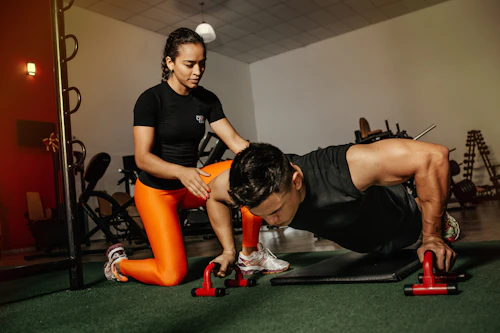
Even 15 minutes of movement matters. Book a session with a personal trainer who can adapt to Eid schedules and keep you accountable when gyms have limited hours.
4. Quick Home Workouts for Eid Days (No Gym Needed)
Your gym might be closed, but your living room is always open. Here are four 20-minute workouts you can do at home with zero equipment. Each is tough enough to maintain conditioning but short enough to fit into a busy Eid schedule.
Workout A: Full-Body Strength (20 minutes)
- 5 min: Light warm-up (jumping jacks, arm circles, leg swings)
- 3 min: Push-ups (as many as possible, rest as needed)
- 3 min: Squats (bodyweight or weighted with a chair or bag)
- 3 min: Planks (hold as long as possible, repeat 3 times)
- 3 min: Lunges (alternating, 20 total)
- 3 min: Cool-down (walking, stretching)
Complete this 4–5 times during Eid and you have maintained your strength.
Workout B: Cardio Burst (20 minutes)
- 2 min: Warm-up (light movement)
- 40 seconds: High knees (run in place, drive knees high)
- 20 seconds: Rest
- Repeat 14 more times (8 minutes total)
- 3 min: Burpees or stair climbing
- 5 min: Cool-down and stretching
Workout C: Yoga Flow (20 minutes)
A gentler option for Eid morning or recovery days. Follow a 20-minute YouTube yoga flow (search "20-minute yoga flow" on any platform) to maintain mobility and reduce stress during the hectic holiday period.
Workout D: Family Walk + Games (30–45 minutes)
This is not "training" in the traditional sense, but it is movement. Walk to a nearby park with family, play casual football, run around with kids, ride bikes. All of this maintains your cardiovascular fitness and reinforces the fun aspect of movement.
5. Healthy Eating Strategies During Eid Celebrations
Food is central to Eid, and we are not suggesting you avoid it. Instead, eat strategically.
Before the Meal: Eat a Small, Protein-Rich Snack
If you eat a modest snack (20–30g protein: chicken, cheese, yogurt) 1–2 hours before the main Eid meal, you will arrive less hungry, eat smaller portions, and maintain better blood sugar stability throughout the day.
During the Meal: The Plate Strategy
Fill your plate in this order:
- Vegetables first (50% of plate): Salads, grilled vegetables, fresh tomatoes, cucumbers. These are nutrient-dense and low-calorie.
- Protein second (25% of plate): Grilled chicken, lamb, fish. Skip fried versions when possible.
- Carbs last (25% of plate): Rice, bread, potatoes. Eat these in moderation.
Drink Water Between Each Meal
Eid involves multiple eating occasions throughout the day. Between each meal, drink 500 mL of water. This aids digestion, reduces overeating, and helps your body process the extra food.
Limit Sugary Drinks and Desserts (Somewhat)
Do not deprive yourself of Eid sweets entirely — that is unrealistic and creates negative associations with celebration. Instead, have one serving of your favourite dessert, enjoy it fully, and move on. Avoid grazing through sweets all day.
6. Finding Open Gyms and Classes During Eid
Not all gyms close during Eid, and knowing which ones stay open can be a lifesaver. Here is how to find them:
GymNation Dubai
GymNation is one of the most accessible gym chains in Dubai, with locations across the city. Memberships start at AED 99–149 per month and offer access to facilities, group classes, and occasionally personal training consultations. During Eid, most GymNation branches remain open (verify hours with your specific location).
Why it is good for Eid: Flexible hours, no long-term contracts required, and straightforward pricing. You can join just before Eid and cancel afterward if you prefer.
Fitness First Dubai
Fitness First is a premium option with multiple locations across Dubai. Memberships typically cost AED 350–500 per month and include access to state-of-the-art equipment, group fitness classes, and personal training options. Eid hours vary by location.
Why it is good for Eid: World-class facilities, experienced staff who can advise you on Eid training modifications, and flexible membership options.
NAS Sports
A premium sports and fitness facility, NAS Sports costs AED 400–600 per month depending on membership tier. Facilities include gyms, pools, courts, and wellness services. During Eid, NAS typically operates on reduced hours.
Why it is good for Eid: Diverse facilities (pool, courts, indoor tracks) mean you have options beyond traditional gym training. If the main gym is crowded, you can swim or use the court sports facilities.
Hotel Gyms and Community Facilities
If you are staying with family during Eid, ask if they have access to a hotel gym or community fitness facility. Many residential compounds in Dubai have gyms and pools that operate normally during Eid even when commercial gyms reduce hours.
Do not assume any gym is open during Eid. Most gyms publish holiday schedules 1–2 weeks in advance. Check the official website or call your gym directly to confirm hours and class availability.
7. Family Fitness Activities for Eid in Dubai
Eid is about family. Make fitness a family activity. Here are the best venues in Dubai for group fitness during the holidays:
Al Qudra Cycle Track
A 54-kilometre cycling and walking track around a scenic man-made lake system. It is free, shaded, and perfect for family outings. Morning hours (6–9 AM) are coolest and least crowded. Rent bikes for the family, stop at scenic spots, and enjoy movement together without intensity pressure.
Jumeirah Beach
Walking or running along the beach is iconic Dubai fitness. Early morning (6–8 AM) before the heat and crowds, you can enjoy a refreshing 45-minute walk, swim, or jog along the shoreline. The water is warm and inviting, and the social atmosphere is celebratory.
Al Mamzar Park
A beautiful public park with open spaces, playgrounds, and beaches. Families can walk, play football, swim, or simply relax under trees. Day passes cost a few dirhams, making it affordable for large family groups.
Dubai Marina Walk
A scenic 1.7-kilometre pedestrian walkway with views of yachts and towers. Walk the full length (20–25 minutes each way), grab coffee or juice at the cafes, and enjoy the social atmosphere. Relaxed, not intense, but very active.
Outdoor Swimming (Beaches and Pools)
If your family has beach or pool access, swimming is one of the best full-body activities you can do. It maintains cardiovascular fitness, is low-impact, and is incredibly social. Aim for 30–45 minutes of continuous or near-continuous swimming.
8. Getting Back on Track After Eid
Eid ends. The celebrations quiet down. Now comes the critical phase: returning to your regular fitness routine without guilt, shame, or a "start fresh Monday" mentality.
The Day After Eid: Assess, Don't Judge
You may feel bloated, low on energy, or slightly out of shape. This is normal. Do not weigh yourself or jump into an intense workout. Instead:
- Drink water aggressively: At least 3–4 litres. This reduces bloating and supports metabolic recovery.
- Do a light, enjoyable workout: A 30-minute walk, light yoga, or casual swim. Nothing brutal.
- Eat normally: Return to your regular eating pattern (no crash diets, no "punishment" workouts). Your body will stabilise in 3–5 days.
Week Two: Reintroduce Structure
By the second week after Eid, return to your regular training schedule. If you had been following a specific programme before Eid, resume it now. Your body will adapt quickly — you did not lose significant fitness during a few days of reduced training.
Track One Metric: Consistency, Not Perfection
Do not try to "make up" for Eid by training harder than usual. Instead, track one simple metric: Did I train 4–5 days this week? If yes, you are on track. Consistency beats intensity every time.
Do not wait until Eid to figure out your fitness strategy. Right now — weeks before the holiday — decide: Which gyms will you access? Which home workouts will you do? Which family activities will you do? Write it down. When Eid arrives, you simply execute the plan rather than making stressed decisions in the moment.
Connect With a Trainer for Continuity
One of the most effective ways to maintain fitness during Eid is to hire a personal trainer who can adapt to the holiday schedule. Many trainers offer flexible sessions that work around Eid family time and modified gym hours. A trainer keeps you accountable when gyms close and provides professional guidance on post-Ramadan recovery or Eid-specific training modifications.
Head to our personal training directory to find trainers in your area who specialise in holiday-period training and can work around Eid schedules.