If you have seen posts on Instagram showing people in black wetsuits covered in electrodes, you've encountered EMS training — one of the fastest-growing fitness trends in Dubai. Electrical muscle stimulation promises jaw-dropping time efficiency: 20 minutes equals 90 minutes of traditional gym work. But is it real? Is it safe? And most importantly, does it actually deliver results? This comprehensive guide answers every question about EMS training in Dubai in 2026.
1. What is EMS Training?
EMS stands for Electrical Muscle Stimulation. It is a training technology that uses low-level electrical impulses to contract your muscles, traditionally delivered through a specialized suit embedded with electrodes that fire simultaneously across multiple muscle groups. Unlike gadgets you may have seen on TV that promise "six-pack abs while you sleep," EMS training is a legitimate training modality supported by scientific evidence when used correctly.
The core concept is simple: your muscles naturally contract when your central nervous system fires electrical signals. EMS technology mimics this process artificially, triggering muscle contractions without requiring you to lift heavy weights. You combine these electrical impulses with deliberate movement — usually light weights or bodyweight exercises — to amplify the training stimulus.
Why EMS Exploded in Dubai
Dubai's culture is built on efficiency, premium experiences, and embracing cutting-edge technology. EMS ticks all three boxes. For time-poor professionals juggling demanding careers, family commitments, and Dubai's intense heat, the promise of full-body training in 20 minutes is irresistible. Boutique EMS studios have proliferated across Dubai Marina, Business Bay, JLT, and DIFC — catering to the city's fitness-conscious executives and entrepreneurs.
2. How Does EMS Technology Work?
Understanding the science helps you make an informed decision. Here is how EMS training actually works:
The Science Behind Electrical Muscle Stimulation
When you exercise normally, your brain sends electrical signals down your nervous system to your muscles, triggering contraction. Each muscle fibre has a threshold — once electrical impulses reach sufficient intensity, the fibre contracts. EMS technology artificially creates these impulses, bypassing your nervous system and directly stimulating muscle fibres.
The electrical current used in EMS is biphasic and extremely short in duration (typically 350 microseconds), making it safe for regular use. The impulses are delivered in waves — your muscles contract, then relax, then contract again. This mimics what happens during normal exercise but with synchronized activation across entire muscle groups simultaneously.
Frequency, Intensity, and Duration
EMS effectiveness depends on three variables:
- Frequency: How many impulses per second. Most studios use 50–85 Hz (pulses per second). Higher frequencies create stronger contractions.
- Intensity: The strength of the electrical current. This is where individual tolerance matters greatly — some people feel strong contractions at 40mA; others require 60–80mA for noticeable effect.
- Duration: How long each impulse lasts. Most EMS training uses 20–25 minute sessions, though some protocols extend to 30 minutes.
During a session, you gradually increase intensity as your muscles warm up and adapt to the electrical stimulus. This is critical — starting too intense causes discomfort; too low produces minimal effect.
3. EMS vs Traditional Training: The Real Comparison
This is where most marketing hype lives. Let's be brutally honest about what research actually shows:
Time Efficiency: EMS's Real Advantage
The single most compelling claim about EMS is time efficiency. A 20-minute EMS session does activate more muscle fibres simultaneously than 20 minutes of traditional training — the electrodes fire across your entire body at once, creating a level of synchronization you cannot achieve voluntarily. However, the "one EMS session = 90 minutes gym" claim is oversimplified. More accurate: one quality EMS session equals roughly 40–60 minutes of moderate-intensity traditional training, when comparing total muscle activation and fatigue.
Strength Gains: Comparable but Different
Research shows EMS training produces genuine strength improvements — studies find 5–15% strength gains over 8–12 weeks depending on training intensity and frequency. However, traditional progressive resistance training (lifting weights with increasing load) still produces superior strength gains because you can achieve greater mechanical tension, a primary driver of muscle growth. EMS is particularly effective for muscle endurance and metabolic stress but less optimal for maximum strength development.
Muscle Building: Traditional Training Wins Here
If your primary goal is building significant muscle mass, traditional weight training remains superior. EMS can supplement muscle-building programmes and is excellent for plateau-breaking, but it should not be your primary tool. The research is clear: mechanical tension (heavy load) is the most powerful stimulus for muscle hypertrophy, and EMS simply cannot deliver the progressive overload possible with dumbbells and barbells.
Fat Loss: Similar Results When Diet Is Constant
EMS burns calories during the session and increases EPOC (post-exercise oxygen consumption), but total calorie expenditure is comparable to moderate-intensity traditional training. Fat loss depends 80% on nutrition. EMS's advantage here is psychological: many people find it easier to stay compliant with two 20-minute EMS sessions per week than to commit to traditional gym training they find boring.
- Time-constrained schedules (busy professionals, parents)
- Metabolic conditioning and improving work capacity
- Breaking through training plateaus
- Low-impact training for joint-sensitive individuals
- Training during Dubai's extreme summer heat (indoor, air-conditioned studios)
- As a supplement to, not replacement for, traditional training
4. Best EMS Studios in Dubai (2026)
Dubai has a growing EMS studio landscape. Here are the most established options as of March 2026:
Wiemspro (Multiple Locations)
Germany-based Wiemspro is the largest and most recognized EMS operator in Dubai, with studios in Marina, Downtown, and JBR. Their proprietary technology uses full-body suits and combines EMS with guided movement. Sessions: AED 280–350 per session. Monthly packages (4 sessions): AED 1,800–2,200. Wiemspro is excellent for beginners because instructors are highly trained and guide every movement.
Body Street (JLT, DIFC, Arabian Ranches)
Another premium EMS operator with a strong presence in Dubai. Body Street uses similar full-body suit technology with personalized programming. Sessions: AED 300–380. Monthly (4 sessions): AED 2,000–2,500. Their instructors provide detailed form coaching and track progress meticulously.
20Min Body (Dubai Marina)
A newer entrant focusing on 20-minute EMS sessions. More affordable than Wiemspro and Body Street. Sessions: AED 250–280 per session. Monthly packages: AED 1,500–1,800. Good for price-conscious clients seeking convenience over premium facility experience.
EPTE Sport (Business Bay, Downtown)
Offers EMS training alongside traditional personal training. Blends EMS with conventional exercise. Sessions: AED 320–400 per session depending on whether paired with PT. Monthly (4 sessions): AED 2,100–2,800. Excellent if you want to combine both modalities strategically.
Custom Personal Trainers with EMS Certification
Some independent personal trainers in Dubai have invested in portable EMS technology. These professionals often offer sessions at reduced rates (AED 200–280 per session) but with potentially less sophisticated equipment. Always verify their EMS certification and experience before booking.
Find EMS Studios Near You
Browse verified EMS studios across Dubai with real client reviews, transparent pricing, and availability. Compare facilities, instructors, and packages all in one place.
5. What to Expect: Your First EMS Session
If you book your first EMS session, here is what happens step-by-step:
The Setup (5–10 minutes)
You'll change into the EMS suit — a specialized black wetsuit with electrodes embedded throughout. The suit is sleek and less intimidating than it appears online. The instructor will fit it snugly (not tight) and position electrode pads across your chest, arms, back, legs, and core. They will also fit smaller electrode belts around specific areas like your glutes and hamstrings for targeted work.
Initial Calibration (2–3 minutes)
Before training begins, the studio will test your current sensitivity to electrical stimulation. This is crucial. Everyone has different nerve sensitivity — the instructors gradually increase intensity until you feel strong muscle contractions. They will find your sweet spot: intense enough to work effectively, light enough that you are not in pain. This calibration phase is where poor studios fail — reputable ones spend time here to get it right.
The Workout (20 minutes)
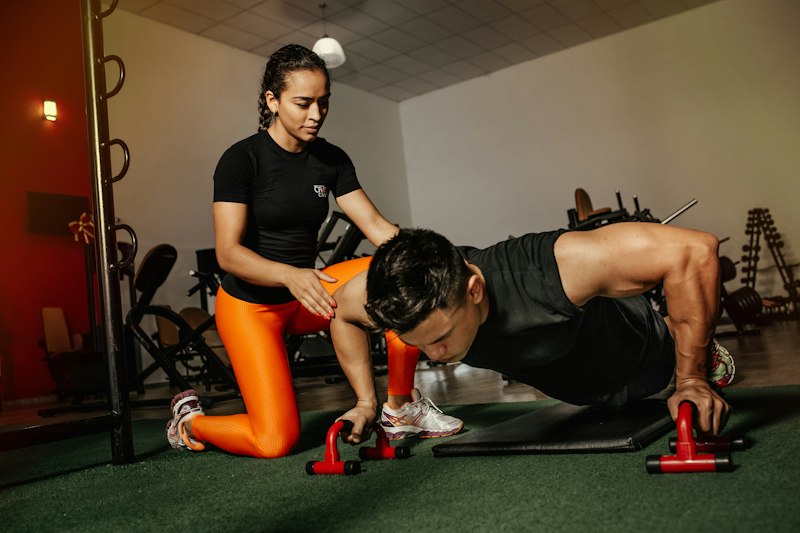
The actual training is deceptively simple. You perform light exercises — squats, lunges, push-ups, rows, planks — while the electrodes fire continuously. The movement itself is low-intensity; the electrical stimulation does the heavy lifting. Most people find it strange at first: you might barely feel effort in your muscles, yet they are working intensely because of the electrical input. Your heart rate will elevate, you will feel the burn in your muscles, and you will accumulate fatigue quickly.
Instructors guide you through movements and gradually increase electrical intensity as you warm up. The last 5 minutes typically involve higher intensity work — either holding positions (isometric holds) or performing slightly faster movements against the electrical resistance.
Post-Session Recovery (2 minutes)
After training stops, you slowly reduce intensity and remove the suit. You may feel post-exercise fatigue and "pump" similar to traditional training. Most people report moderate soreness the following day, particularly after their first session — this is normal and should decrease with subsequent training.
What It Actually Feels Like
Expect a tingling sensation at lower intensities, progressing to noticeable muscle twitching and sustained contractions at higher settings. It is not painful for most people, though it does feel unusual. Some describe it as "weird but effective." A small percentage of people find it uncomfortable — this usually means intensity is too high or the suit is not fitted properly. Good studios will adjust immediately if you voice discomfort.
6. EMS Benefits for Dubai's Busy Professionals
EMS training offers specific advantages that resonate with Dubai's unique lifestyle:
Time Efficiency for Demanding Schedules
Dubai's corporate professionals often work 50–60 hour weeks. Traditional gym training requires 60–90 minutes (commute, training, shower). EMS delivers comparable metabolic stimulus in 20–25 minutes. For someone with genuinely limited time, this is transformational. You can actually train consistently because the time commitment is realistic.
Heat Avoidance in Summer
Dubai's summer temperatures (45°C+) make outdoor training dangerous. Even indoor gyms get stifling. EMS studios are heavily air-conditioned, making summer training genuinely pleasant. This is not a trivial advantage — it actually enables year-round consistency for many people.
Joint-Friendly Training
EMS activates muscles without requiring heavy joint loading. For people with knee pain, shoulder issues, or lower back problems, EMS provides effective training stimulus without exacerbating injuries. Combined with personalized coaching, EMS can help people train around injuries safely.
Metabolic Conditioning
EMS effectively increases work capacity — your ability to perform hard effort repeatedly with less fatigue. This transfers well to athletic performance and general fitness. Two EMS sessions per week can meaningfully improve your conditioning baseline.
Muscle Activation and Awareness
EMS helps you learn muscle activation patterns. If you struggle to engage certain muscles (common in sedentary office workers), EMS provides clear feedback — you literally feel every muscle firing. This awareness transfers to your regular training and improves your technique.
7. EMS for Weight Loss vs Muscle Building: Setting Realistic Expectations
EMS marketing often promises miraculous transformations. Let's talk reality:
Weight Loss with EMS
EMS is effective for fat loss — but only if combined with proper nutrition. A typical 20-minute EMS session burns 150–250 calories depending on intensity and body composition. This is solid, but you cannot out-train a poor diet. EMS's advantage is psychological: consistent 20-minute sessions feel achievable, so people maintain compliance. If compliance improves your adherence to calorie deficit, EMS indirectly helps you lose fat.
Evidence suggests EMS increases metabolic rate slightly post-training and may improve insulin sensitivity over time. However, the fat loss is not from "EMS magic" — it is from consistent training plus disciplined nutrition.
Muscle Building with EMS
EMS alone is suboptimal for serious muscle building. You can build muscle with EMS — research shows 3–8% muscle gain over 12 weeks with appropriate intensity and frequency. However, combining EMS (2–3x per week) with traditional strength training (2x per week) produces superior results to either modality alone. This hybrid approach is popular in Dubai among people who want efficient training without sacrificing muscle-building potential.
Body Transformation Timelines
Realistic expectations: with consistent EMS training (2x per week) and disciplined nutrition, expect noticeable changes in 8–12 weeks (improved energy, visible muscle definition, 2–5kg fat loss). Dramatic transformations (10+ kg loss or significant muscle gain) require 16–24 weeks and combine EMS with additional training and rigorous nutrition.
Any EMS studio promising "20kg weight loss in 8 weeks" or "visible six-pack in 12 sessions" is misleading. EMS is a tool, not a magic solution. Results require consistent training + proper nutrition + patience. Studios that emphasize unrealistic promises often have poor fundamental training practices too.
8. Is EMS Training Safe? Medical Considerations
EMS training is generally safe for healthy adults when performed at reputable studios with trained instructors. However, important contraindications exist:
Absolute Contraindications (Do Not Do EMS)
- Pacemakers or cardiac devices: Electrical stimulation can interfere with pacemaker function. Absolutely avoid EMS.
- Pregnancy: Electrical stimulation of abdominal and pelvic muscles is contraindicated during pregnancy.
- Epilepsy or seizure disorders: Electrical stimulation can trigger seizures in susceptible individuals.
- Severe acute inflammation or infection: Do not train during acute infections or inflammatory flare-ups.
Relative Contraindications (Consult Your Doctor First)
- Recent surgery or wound healing
- Severe osteoporosis (high fracture risk)
- Peripheral neuropathy or nerve damage
- Severe hypertension (uncontrolled blood pressure)
- Severe arthritis or joint damage
- Recent blood clots (thrombosis)
General Safety Guidelines
Always disclose your full medical history to the EMS studio before your first session. Reputable studios (Wiemspro, Body Street) conduct thorough health screening. Avoid EMS within 48 hours of heavy traditional training — recovery time is needed. Stay hydrated before and after sessions. Mild muscle soreness 1–2 days post-session is normal; sharp pain is not. Do not train when acutely ill or injured.
Skin Sensitivity and Electrode Marks
Some people develop temporary red marks where electrodes contact skin — this is entirely normal and disappears within hours. Rarely, people with extremely sensitive skin may develop slight irritation. Quality electrode contact gel minimizes this. If you experience allergic reaction to electrode pads, inform the studio immediately.
9. Cost Breakdown: EMS Pricing in Dubai (2026)
EMS training is premium-priced in Dubai. Here is a transparent breakdown:
| Studio / Option | Per Session | Monthly (4 sessions) | Best For |
|---|---|---|---|
| Budget Option (Independent Trainers) | AED 200–250 | AED 1,500–1,800 | Minimum viable EMS; less facility quality |
| 20Min Body (Standard) | AED 250–280 | AED 1,800–2,000 | Affordable, mid-tier experience |
| Wiemspro (Established Network) | AED 280–350 | AED 1,800–2,200 | Best instructor training, strongest reputation |
| Body Street (Premium Service) | AED 300–380 | AED 2,000–2,500 | Personalized programming, detailed tracking |
| EPTE Sport (Hybrid) | AED 320–400 | AED 2,100–2,800 | Combining EMS + traditional PT |
Pricing Strategy Tips
Most studios offer package discounts for 8-session or 12-session commitments. Monthly memberships (unlimited sessions) typically cost AED 3,500–4,500 — only worth it if you commit to 2–3 sessions per week. Trial sessions usually cost AED 150–200 (discounted from full price). Some studios offer couples packages at 20–30% discount per person.
Compare value across: studio location, instructor qualifications, equipment technology, and included services (program planning, nutritional guidance, fitness tracking app).
10. How Often Should You Do EMS Training?
Frequency is critical because EMS creates significant muscle fatigue and metabolic stress. Here is the evidence-based guidance:
Optimal Frequency Guidelines
- Beginners (first 4–6 weeks): 1 session per week maximum. Your nervous system needs time to adapt to the electrical stimulus.
- Intermediate (6 weeks – 3 months): 1–2 sessions per week. This is optimal for most people balancing results with recovery.
- Advanced (3+ months): 2–3 sessions per week if combined with other training. More frequent EMS-only training produces diminishing returns.
Recovery Between Sessions
Minimum 48 hours between EMS sessions. Your muscles need this recovery window for adaptation to occur. Training too frequently (3+ EMS sessions per week without other training) increases injury risk and doesn't improve results. In fact, research suggests it can hinder performance because recovery is compromised.
Combining EMS with Other Training
Ideal: 2 EMS sessions per week + 2–3 traditional strength/cardio sessions per week. This provides balanced stimulus and prevents overtraining. Schedule EMS on separate days from heavy strength training, or place EMS on opposite days (EMS on Monday, heavy training Tuesday, rest Wednesday, repeat). This prevents CNS (central nervous system) fatigue.
Plateaus and Progression
Your body adapts to EMS stimulus quickly. After 6–8 weeks, results slow unless you increase intensity or change movement patterns. Good studios will periodically increase electrical intensity and adjust exercise selection to prevent adaptation. If your studio is not proactively adjusting, request it — lack of progression indicates mediocre coaching.
11. Frequently Asked Questions
Does EMS training hurt?
No — proper EMS should not cause pain. It should feel intense (strong muscle contractions) but not painful. Discomfort usually indicates intensity is too high or electrode contact is poor. A good studio will adjust immediately if you report pain. Some people find it uncomfortable on first try due to unfamiliarity; this usually passes by session 2–3.
Can I do EMS if I have never exercised before?
Yes, but with caution. Beginners should start with low intensity and only 1 session per week. EMS is beginner-friendly because it does not require technique mastery like barbell training does. However, you still need guidance on proper movement patterns. Avoid budget independent trainers for your first session — go to an established studio where instructors are trained specifically in EMS coaching.
Will EMS help me build muscle like weightlifting?
EMS builds muscle but not as effectively as progressive resistance training with heavy loads. For serious muscle building, combine EMS (2x/week) with traditional strength training (2x/week). This hybrid approach outperforms either modality alone.
How many sessions until I see results?
Many people notice improved energy and muscle "pump" after 3–4 sessions. Measurable body composition changes (visible muscle definition, fat loss) typically appear by 8–12 weeks with consistent training and proper nutrition. Dramatic transformations require 16–24 weeks.
Is EMS a replacement for gym training?
For time-constrained people, EMS 2x/week + basic weight loss nutrition is better than no training. However, it is not optimal for serious strength, muscle building, or athletic development. Use EMS as a supplement, not a complete replacement for traditional training.
Can I do EMS if I have joint pain?
EMS is often suitable for joint pain because it is low-impact. However, consult your doctor or physiotherapist first. EMS can be adapted for specific injuries — movements can be modified to avoid painful ranges of motion. Some studios partner with physiotherapy clinics for rehabilitative EMS work.
Which Dubai EMS studio is best?
Best depends on your priorities: Wiemspro and Body Street are most reputable with best instructor training. 20Min Body is most affordable. EPTE Sport is best if combining EMS + traditional PT. Read online reviews, visit for a trial session, and choose based on trainer quality and facility cleanliness, not just price.
- Start with 1 session per week maximum your first month
- Choose a reputable studio with trained instructors
- Disclose full medical history before first session
- Combine EMS with proper nutrition for fat loss
- Combine EMS with traditional training for muscle building
- Expect 8–12 weeks to see noticeable results
- Allow 48 hours recovery between EMS sessions
- Request intensity progression every 4–6 weeks
Ready to Experience EMS Training?
Book a trial session at a verified EMS studio in Dubai. Most studios offer discounted first sessions. See if electrostimulation training is right for your fitness goals and lifestyle.
Medical Disclaimer: This article is educational and not a substitute for professional medical advice. Consult your doctor before starting EMS training, particularly if you have existing health conditions, take medications, or have had recent surgery. EMS is not suitable for people with pacemakers, epilepsy, pregnancy, or certain medical conditions — see Safety section above.
About this guide: Updated March 2026. EMS technology, studio availability, and pricing change frequently. Prices and studio information reflect current market conditions in Dubai and may vary. Always confirm current rates directly with studios before booking.