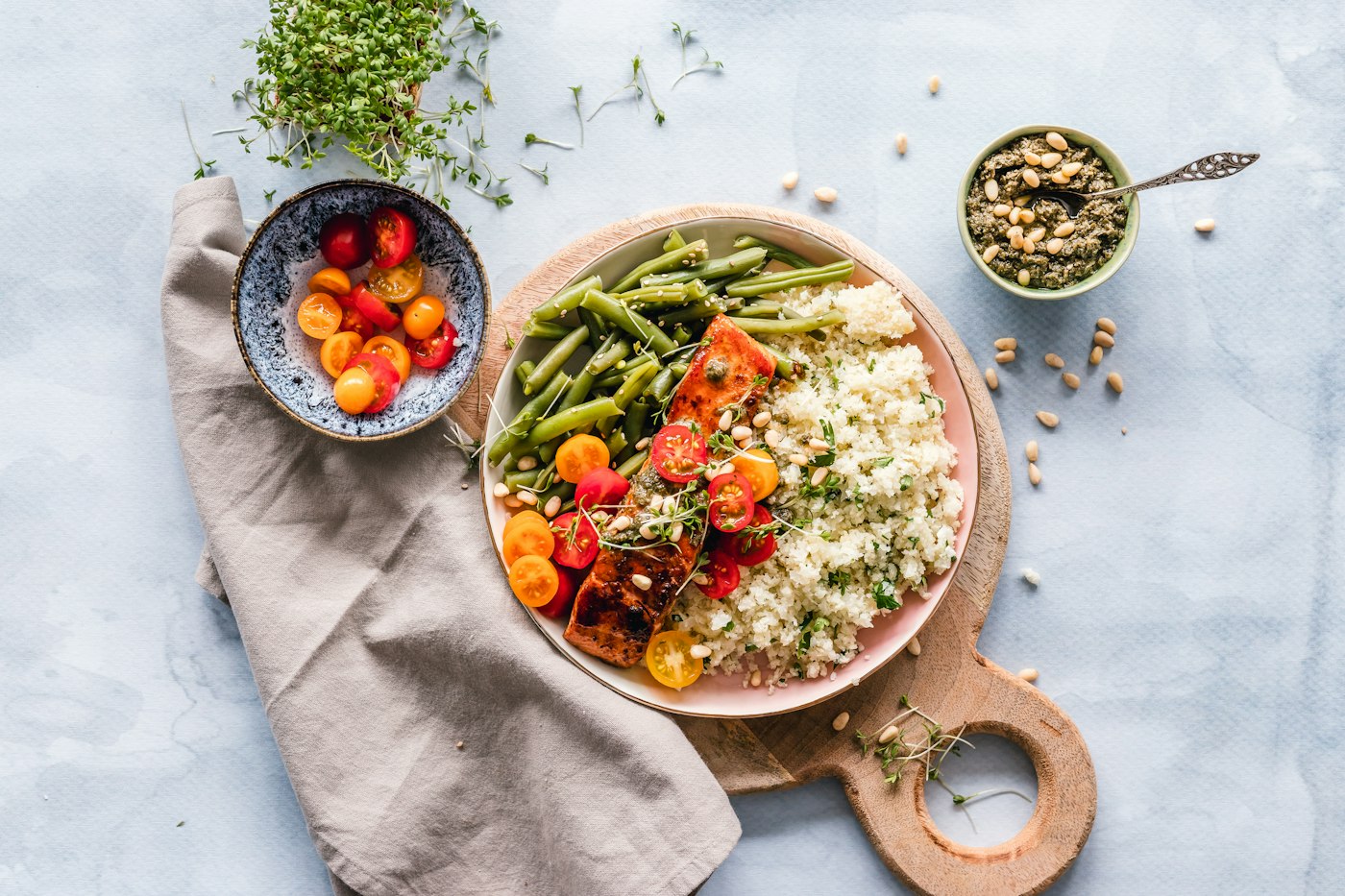
The ketogenic diet — a very low carbohydrate, high fat dietary approach that shifts the body into fat-burning ketosis — has a large following in Dubai's fitness community. It's one of the most researched dietary interventions of the past decade, with strong evidence for weight loss, blood sugar control and metabolic health. But its impact on athletic performance is more nuanced than many people realise. This is the complete, unbiased guide to keto for Dubai's active population.
What Is the Ketogenic Diet?
The ketogenic diet is defined by its macronutrient composition: typically 70–80% of calories from fat, 15–25% from protein, and under 5–10% from carbohydrates — usually less than 20–50 grams of net carbohydrates per day. At this level of carbohydrate restriction, the liver begins converting fatty acids into ketone bodies (beta-hydroxybutyrate, acetoacetate, and acetone), which serve as an alternative fuel source for the brain and muscles in the absence of glucose.
The term 'ketogenic' refers to this ketone-producing metabolic state. When blood ketone levels rise above approximately 0.5 mmol/L, you're in nutritional ketosis. This is distinct from diabetic ketoacidosis — a dangerous condition in type 1 diabetics — which involves ketone levels of 10–25+ mmol/L. Nutritional ketosis is a safe, physiologically normal metabolic state.
Standard Keto Macros Visualised
Standard ketogenic diet macronutrient distribution. Individual ratios may vary based on goals and activity level.
Keto Variants Explained
- Standard Ketogenic Diet (SKD): 75% fat, 20% protein, 5% carbs — the classic approach, best for weight loss and metabolic health
- Targeted Ketogenic Diet (TKD): Small carbohydrate intake (20–50g) consumed immediately before training sessions only — designed to support higher-intensity exercise while maintaining ketosis the rest of the time
- Cyclical Ketogenic Diet (CKD): 5–6 days strict keto followed by 1–2 high-carbohydrate refeed days — used by bodybuilders and strength athletes who need glycogen for performance
- High-Protein Ketogenic Diet: 60% fat, 35% protein, 5% carbs — often preferred by athletes for better muscle preservation
How Ketosis Works: The Science
Under normal dietary conditions, glucose (from carbohydrates) is the body's primary fuel. When carbohydrates are restricted, liver glycogen is depleted within 1–2 days. In response to falling insulin levels, fatty acids are mobilised from fat tissue and transported to the liver, where they're converted into ketone bodies via beta-oxidation and ketogenesis.
Ketone bodies — particularly beta-hydroxybutyrate (BHB) — are highly efficient fuel sources for the brain, heart and skeletal muscles. Interestingly, the brain can derive up to 75% of its energy needs from ketones when fully adapted, reducing its dependence on glucose. This reduced glucose dependence is one reason many people report stable, sustained mental energy on keto without the blood sugar fluctuations associated with high-carbohydrate diets.
Get a Personalised Keto Nutrition Plan in Dubai
Certified nutritionists and dietitians on GetFitDXB can design a ketogenic eating plan tailored to your body, goals and Dubai lifestyle.
Find a Nutritionist Join FreeKeto and Athletic Performance: The Real Evidence
This is where the keto conversation gets complex — and where many proponents and critics are both partially right. The effect of ketogenic diets on athletic performance varies significantly by sport type, individual physiology, and degree of fat adaptation.
Endurance Sports and Fat-Adapted Athletes
The strongest case for keto in sports is in ultra-endurance events. At low-to-moderate intensities (below approximately 65% VO2 max), a fat-adapted athlete can sustain effort using primarily fat and ketones — a virtually unlimited fuel source compared to glycogen stores that deplete in 60–90 minutes. This "metabolic advantage" in ultra-endurance events is genuine: studies on fat-adapted ultra-marathoners showed 2.3x higher fat oxidation rates than high-carbohydrate athletes at matched intensities.
For recreational endurance athletes in Dubai — joggers, cyclists, swimmers — keto can work well once fully adapted. The key caveat is that adaptation takes 4–12 weeks, during which performance often temporarily decreases. See our Zone 2 training guide — Zone 2 work is highly compatible with keto as it operates primarily through fat oxidation.
High-Intensity Training and Keto
Here keto faces its biggest challenge. High-intensity exercise — sprinting, HIIT, heavy lifting — is predominantly glycolytic (powered by glucose). Research is consistent: keto-adapted athletes show impaired high-intensity performance compared to carbohydrate-fuelled athletes. A 2017 study in Metabolism found that competitive race walkers on a ketogenic diet improved fat oxidation but showed significantly worse performance in high-intensity intervals compared to athletes on a high-carbohydrate diet.
This doesn't mean keto is incompatible with HIIT or strength training — it means expectations need to be calibrated. If your training includes significant high-intensity components, a targeted keto approach (adding carbohydrates around workouts) or cyclical keto (regular carbohydrate refeeds) is likely to serve performance better than strict SKD. See our HIIT training guide for training protocols to consider.
Strength Training and Muscle Building on Keto
Muscle building on keto is possible but typically slower than on a higher-carbohydrate diet. The research shows that insulin — which spikes with carbohydrate intake and contributes to anabolic signalling — is lower on keto, which may limit the anabolic response to training. However, adequate protein (see below) partially compensates for this through the mTOR pathway.
Several strength athletes and bodybuilders have successfully built muscle on keto, particularly with high-protein variants of the diet. The key variables are: total caloric surplus (you still need to eat above maintenance to build tissue), adequate protein (1.8–2.4g/kg/day on keto — slightly higher than on standard diets due to gluconeogenesis converting some amino acids to glucose), and sufficient training volume. Our muscle building and bulking guide covers these principles in detail.
Dubai-Specific Keto Considerations
The Keto Flu in Dubai's Heat
The 'keto flu' — a collection of symptoms including headache, fatigue, brain fog, irritability and muscle cramps that occurs in the first 1–2 weeks of keto — is primarily caused by electrolyte depletion. As insulin drops and glycogen depletes, the kidneys excrete sodium more aggressively, which causes losses of sodium, potassium and magnesium. In Dubai's heat and sweat-inducing climate, these losses are compounded, making electrolyte management even more critical here than in cooler climates.
Dubai keto practitioners should: supplement sodium liberally (2–5g additional per day, from table salt or sodium supplements), supplement magnesium (200–400mg glycinate or malate at bedtime), and consume potassium-rich keto foods (avocado, leafy greens, salmon). See our electrolytes guide for specific protocols. The keto flu is not inevitable — proper electrolyte management prevents most people experiencing it significantly.
Eating Keto in Dubai
Dubai's diverse food scene actually supports keto well if you know where to look. The city's large South Asian, Middle Eastern and Mediterranean food cultures provide many naturally keto-compatible dishes. Dubai's supermarkets (Spinneys, Waitrose, Carrefour) have excellent selections of high-quality fats, meats, seafood and vegetables.
| Food Category | Keto-Friendly Options in Dubai | Where to Buy |
|---|---|---|
| Proteins | Lamb, beef, chicken, fish, eggs, seafood | All supermarkets, butchers, fish markets |
| Quality fats | Avocado, olive oil, ghee, coconut oil, MCT oil | Spinneys, Waitrose, Organic Foods & Café |
| Dairy | Full-fat cream, butter, hard cheeses, Greek yoghurt (small amounts) | All supermarkets |
| Low-carb vegetables | Leafy greens, courgette, broccoli, cauliflower, cucumber, peppers | All supermarkets, farmers markets |
| Nuts and seeds | Almonds, macadamia, walnuts, chia seeds, flaxseed | Health food stores, Spinneys |
| Specialist keto | MCT oil, keto bars, BHB supplements, psyllium husk | Organic Foods & Café, iHerb delivery, supplement stores |
Keto at Dubai Restaurants
Eating out on keto in Dubai is manageable with a few simple strategies. Middle Eastern restaurants are among the easiest — grilled meats (shawarma without bread, mixed grills, lamb chops), mezze plates (hummus, tabbouleh in small amounts, baba ganoush, labneh), and salads are all keto-compatible. Steakhouses, seafood restaurants and modern European restaurants all offer natural keto options. The main challenge is Dubai's brunch culture — the bread-heavy, carbohydrate-rich brunch format requires discipline or strategic planning (eat before, focus on the protein-heavy stations).
Ketogenic diets are not appropriate for everyone. Avoid keto without medical supervision if you have: type 1 diabetes, pancreatic disease, liver conditions, gallbladder removal, thyroid disorders (can affect T3 conversion), or are pregnant or breastfeeding. People with type 2 diabetes should work closely with a physician as keto can require significant medication adjustments. Consult a qualified Dubai nutritionist or physician before starting a ketogenic diet.
Keto and Weight Loss: The Mechanisms
Keto's weight loss effectiveness is well-documented in short-to-medium term research (up to 2 years). The mechanisms driving this are multiple and reinforce each other:
- Appetite suppression: Ketones directly suppress appetite through effects on ghrelin (the hunger hormone) and peptide YY. Most people find they eat significantly less on keto without consciously trying
- Reduced water retention: Glycogen storage requires approximately 3–4g of water per gram. Depleting glycogen on keto results in 1–3kg of initial water weight loss — not fat, but significant for motivation
- Improved insulin sensitivity: Lower insulin levels allow more efficient fat mobilisation and reduce fat storage
- Increased fat oxidation: The body upregulates fat-burning enzymes and mitochondrial adaptations that increase fat utilisation across multiple tissues
When caloric intake is controlled for in research studies, the fat loss advantage of keto over other diets largely disappears — supporting the view that keto's weight loss benefits are primarily mediated through reduced caloric intake due to appetite suppression, rather than through a direct metabolic advantage. This doesn't diminish its effectiveness — for many people, appetite suppression and food simplification make keto the most sustainable deficit approach. Compare with our diet vs exercise for weight loss guide for context.
Practical Keto Start Protocol for Dubai Athletes
If you've decided to try keto, here's a practical framework for the first 12 weeks.
Weeks 1–2: Induction Phase
Restrict carbohydrates to under 20g net per day to achieve ketosis as quickly as possible. Prioritise electrolytes aggressively (see above). Reduce training volume and intensity by 20–30% — this is normal and temporary. Focus on whole food fat and protein sources. Avoid caloric restriction simultaneously — your body has enough to adapt to without a caloric deficit on top. Expect some fatigue, brain fog and reduced gym performance — this is the adaptation period.
Weeks 3–6: Early Adaptation
Gradually increase carbohydrates to 30–50g from vegetable sources only (leafy greens, above-ground vegetables). Training performance should begin recovering. If you're doing heavy strength training, consider introducing targeted keto (20–30g fast carbs immediately pre-workout). Begin tracking ketone levels with a breath meter or blood ketone meter to understand your individual threshold — most people maintain ketosis up to 50g net carbs but this varies significantly.
Weeks 7–12: Full Adaptation
By this point, most people are fully fat-adapted. Training performance should be at or near baseline for moderate-intensity work. High-intensity performance may remain slightly below carbohydrate-fuelled levels. Evaluate whether standard keto, targeted keto or cyclical keto best serves your training type and goals. Reassess blood biomarkers (lipid panel, fasting glucose, HbA1c) — available at any Dubai clinic or hospital.
Start Your Keto Fitness Journey in Dubai
Connect with nutritionists and personal trainers in Dubai who have experience supporting ketogenic athletes to their goals.
Find a Nutritionist Personal TrainingTracking and Measuring Keto Success
The ketogenic diet requires more monitoring than most dietary approaches, particularly in the initial phases.
Blood ketone meters (Keto-Mojo, Precision Xtra) are the gold standard for verifying ketosis. Test strips are available online and in some Dubai pharmacies. Target range for nutritional ketosis: 0.5–3.0 mmol/L. Breath acetone meters (Biosense, Keyto) offer a needle-free alternative with reasonable accuracy.
Carbohydrate tracking apps (Cronometer, Carb Manager) allow you to monitor net carbs. Net carbs = total carbohydrates minus fibre — most keto practitioners count net carbs rather than total carbs, which allows liberal vegetable consumption.
Body composition measurement using DEXA or InBody scanning is valuable for distinguishing fat loss from muscle change. See our body composition testing guide for Dubai facilities offering these assessments.
Related Nutrition and Training Resources
Explore these GetFitDXB guides to build a comprehensive nutrition and performance approach:
- Intermittent Fasting Guide Dubai — combining IF and keto for amplified effects
- High-Protein Diet Guide Dubai — protein targets for muscle building
- Vegan Fitness Diet Dubai — the opposite dietary philosophy
- Diet vs Exercise for Weight Loss — what actually drives fat loss
- Sports Nutrition Timing — when to eat for performance
- Gut Health & Athletic Performance — keto's impact on the microbiome
- Nutrition & Meal Planning Dubai — find qualified nutritionists
- Free Weight Loss Guide Dubai — comprehensive fat loss resource