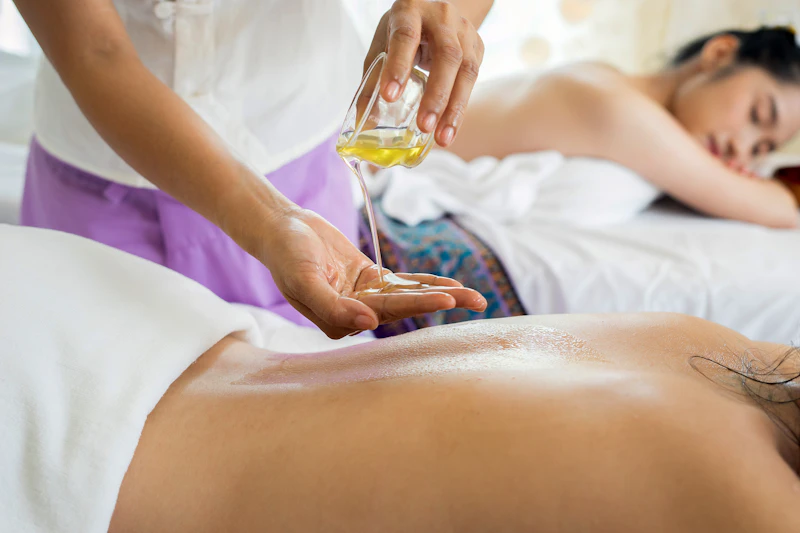
The human body is a marvel of biological engineering. Beyond the cardiovascular system that pumps blood and the nervous system that orchestrates every thought and movement, there exists a third circulatory network that most people have never heard of: the lymphatic system. When working optimally, it quietly cleanses toxins, regulates immunity, and maintains the delicate fluid balance that keeps you feeling energised and healthy. But when it stagnates — after surgery, during illness, or from modern sedentary living — the consequences accumulate: swelling, fatigue, brain fog, and reduced resilience. Lymphatic drainage massage is a specialised therapeutic technique designed to reawaken this system. In Dubai, where wellness culture thrives and world-class therapists offer treatments ranging from traditional European methods to cutting-edge technology, lymphatic drainage has become an essential tool for fitness enthusiasts, post-surgical patients, and anyone seeking genuine recovery.
1. What is Lymphatic Drainage Massage?
Lymphatic drainage massage is a gentle, rhythmic manual therapy technique designed to stimulate movement of lymph fluid throughout the body's lymphatic system. Unlike conventional deep-tissue massage, which targets muscle knots and tension, lymphatic drainage uses light pressure — often just a few grams of force — and specific directional sequences to encourage the body's natural lymphatic flow.
The technique was first developed in the 1930s by Dr. Emil Vodder in Denmark and has since evolved into several distinct methodologies, including the Vodder method, Leduc method, and Lymfo-kinetic drainage. All share the same foundational principle: by applying rhythmic, directional pressure in the direction of lymph flow, a skilled therapist can accelerate the body's own detoxification processes and reduce fluid congestion.
How Does Lymphatic Drainage Work?
The lymphatic system has no central pump like the heart. Instead, it relies on three primary mechanisms for fluid movement:
- Skeletal muscle contraction: When muscles contract during exercise, they compress lymphatic vessels and propel fluid forward.
- One-way valves: Lymphatic vessels contain valves that allow fluid to move in one direction only, preventing backflow.
- Breathing and movement: Diaphragmatic breathing and body movement create pressure changes that enhance lymphatic circulation.
Lymphatic drainage massage amplifies these natural mechanisms through skilled manual stimulation. The therapist applies gentle, precise pressure to stimulate the lymphatic collectors and vessels, effectively "milking" fluid along its natural pathways toward the lymph nodes where filtration occurs.
🌿 Wellness Recovery for Active Life
Discover how lymphatic drainage complements your fitness routine. Browse certified therapists specialising in post-exercise recovery.
2. The Science of the Lymphatic System
To appreciate why lymphatic drainage matters, it helps to understand the system itself. Your lymphatic network is vast — it contains more fluid than blood and extends to virtually every cell in your body.
Anatomy of the Lymphatic System
The lymphatic system comprises:
- Lymphatic capillaries: Tiny vessels at the tissue level that absorb excess interstitial fluid and collect it as lymph.
- Lymphatic vessels: Progressively larger vessels that transport lymph toward lymph nodes and back to the bloodstream.
- Lymph nodes: Small bean-shaped organs that filter lymph, trap pathogens, and house immune cells.
- Larger lymphatic ducts: The thoracic duct (largest) and right lymphatic duct, which return filtered lymph to the circulation.
- Lymphoid organs: The thymus, spleen, and tonsils, which are part of immune function.
Why Lymphatic Stagnation Happens
The lymphatic system can become compromised by several factors common in modern urban life — particularly in Dubai's heat and lifestyle patterns:
- Sedentary behaviour and insufficient movement
- Dehydration (extremely common in Dubai's climate)
- Restrictive clothing or tight bras that compress lymphatic pathways
- Stress and shallow breathing patterns
- Surgical intervention and scar tissue formation
- Injury, inflammation, or infection
- Prolonged heat exposure without adequate movement
When lymph stagnates, the consequences accumulate: fluid retention, swelling (especially in hands, feet, and face), sluggish detoxification, weakened immunity, and a general sense of heaviness and fatigue.
3. Key Benefits of Lymphatic Drainage Massage
Evidence-based research has documented multiple benefits of lymphatic drainage therapy. Here are the primary advantages that bring people to therapists across Dubai:
Detoxification & Immune Support
By accelerating lymphatic flow, drainage massage moves metabolic waste products more efficiently toward elimination. This enhanced detoxification is particularly valuable after intense training, poor diet periods, or environmental toxin exposure. Enhanced lymph flow also means more immune cells reach tissues, supporting your body's defences.
Reduction of Swelling & Water Retention
Post-surgical swelling, water retention, and oedema often respond dramatically to lymphatic drainage. Many patients notice visible reduction in puffiness within 24–48 hours of a session. This is especially valuable in Dubai's heat, where fluid retention can be pronounced.
Accelerated Post-Surgery Recovery
Surgeons increasingly recommend lymphatic drainage post-operatively (typically 48 hours after surgery, once bleeding has stopped). It reduces bruising, speeds wound healing, minimises scar formation, and restores normal movement sooner. Cosmetic and orthopaedic surgery patients see particularly dramatic results.
Bloating & Digestive Support
The abdominal lymphatic system plays a significant role in digestive function. Gentle drainage focused on the abdomen can reduce bloating, improve regularity, and enhance nutrient absorption.
Improved Sleep & Relaxation
The parasympathetic activation triggered by gentle lymphatic work promotes deep relaxation. Many clients report substantially improved sleep quality following sessions, particularly when combined with proper breathing work.
Athletic Recovery & Performance
Athletes use lymphatic drainage to clear metabolic waste (lactate, urea) faster post-training, reducing soreness and accelerating adaptation. Some elite athletes schedule sessions before competition to optimise fluid clearance and movement quality.

4. Manual vs. Machine-Based Techniques
Dubai's wellness clinics offer both traditional manual lymphatic drainage and modern machine-based approaches. Understanding the differences helps you choose the right modality for your needs.
Manual Lymphatic Drainage
- Highly personalised pressure and sequencing
- Therapist can adapt instantly to your response
- Longer-lasting effects in many cases
- Combines with relaxation benefits of touch
- Effective for complex cases (post-surgery, trauma)
- Requires certified, experienced therapist
Machine-Based (Pressotherapy)
- Consistent, standardised pressure application
- Excellent for maintenance and prevention
- Faster session times (30–45 min)
- Great for busy schedules
- Suitable for specific areas (legs, arms)
- Less personalised but highly efficient
Manual methods (Vodder, Leduc) remain the gold standard for post-surgical care, complex conditions, and maximum therapeutic benefit. Machine-based pressotherapy excels for fitness recovery, maintenance, and convenience.
For best results, many Dubai therapists recommend combining both: manual drainage for comprehensive initial treatment, followed by maintenance sessions using pressure therapy.
5. What to Expect in a Lymphatic Drainage Session
Understanding the session structure helps you prepare and gain maximum benefit.
Typical Session Flow (60 minutes)
- Consultation (5–10 min): Therapist discusses your goals, health history, current concerns, and any contraindications.
- Assessment (5 min): Visual and palpatory assessment of fluid retention patterns, areas of congestion, skin condition.
- Treatment (40–45 min): Therapist applies light, rhythmic pressure following lymphatic pathways. Sessions may focus on specific areas (face, legs, abdomen) or address the whole body systematically.
- Cool-down & guidance (5 min): Final recommendations for post-session care and hydration.
Sensation During the Session
Lymphatic drainage feels very different from typical massage. Pressure is so light that some clients wonder if anything is actually happening — but this is precisely the point. The technique is not meant to feel intense or produce soreness. Instead, expect a deeply relaxing sensation, often described as meditative and profoundly calming.
Post-Session Care
After your session:
- Drink plenty of water (critical for flushing mobilised waste)
- Avoid strenuous activity for 24 hours
- Keep warm — avoid cold showers immediately after
- Rest and allow your body to process the work
- Some clients experience mild temporary fatigue or detox responses (headache, increased urination) — this is normal
Lymphatic drainage mobilises accumulated toxins and fluids. Without adequate post-session hydration, you may experience sluggishness or mild discomfort. Drink at least 500ml of water immediately after your session, and maintain elevated hydration for 48 hours.
6. Lymphatic Drainage Costs in Dubai
Pricing varies based on therapist experience, clinic location, and treatment type. Here is a realistic breakdown:
| Session Type | Duration | Price Range | Best For |
|---|---|---|---|
| Manual Lymphatic Drainage | 60 minutes | AED 300–600 | Therapeutic work, post-surgery, comprehensive care |
| Manual Lymphatic Drainage | 90 minutes | AED 450–800 | Full-body intensive, complex cases |
| Pressotherapy (Machine) | 30–45 minutes | AED 150–400 | Maintenance, quick recovery, specific areas |
| Package (5 sessions manual) | 60 min each | AED 1,400–2,500 | Post-surgery programmes, intensive recovery |
Cost-Saving Strategies
- Commit to packages — most therapists offer 15–25% discounts for 4+ sessions
- Combine manual + machine approaches: manual for initial intensive work, pressotherapy for maintenance
- Book during off-peak hours (weekday mornings) for potential discounts
- Look for newly certified therapists — excellent training, lower rates than established practitioners
- Consider clinics in less central areas (Al Barsha, Mirdif) versus Marina or Downtown premium pricing

7. Finding Certified Lymphatic Drainage Therapists in Dubai
Not all massage therapists are trained in lymphatic drainage. Quality matters significantly — a poorly executed session can be ineffective. Here is how to find a genuinely certified practitioner:
Credentials to Look For
- Vodder certification: Gold standard, typically requires 4+ weeks intensive training
- Leduc method certification: European standard, excellent for comprehensive work
- LANA (Lymphatic Education & Research Network) membership: International standard for lymphoedema and drainage specialists
- Physiotherapy background with lymphatic specialisation: Excellent for post-surgical and medical cases
- CIMSPA or REPS registration: UK standards (many Dubai therapists trained in UK)
Questions to Ask Potential Therapists
- "What specific lymphatic drainage training have you completed?" (Look for named methods, not just "lymphatic drainage experience")
- "How many post-surgical clients have you worked with?" (Matters if you're recovering from surgery)
- "Can you provide references or testimonials?" (Especially from other healthcare professionals)
- "Do you recommend a session frequency and how long should I train?" (Good therapists plan realistic timelines)
- "What is your approach to home care between sessions?" (Professional therapists educate clients on self-care)
Top Dubai Wellness Areas for Lymphatic Drainage
- Dubai Marina & JBR: Premium clinics, international therapists, high-end spas
- Downtown Dubai & DIFC: Corporate wellness centres, medical clinics, specialised practitioners
- Al Wasl & Umm Suqeim: Residential wellness studios, boutique practices
- Arabian Ranches & Emirates Hills: Luxury spa facilities with international therapists
- Business Bay: Corporate wellness centres, physiotherapy clinics
8. Lymphatic Drainage for Athletes & Fitness Enthusiasts
For people who train seriously, lymphatic drainage becomes a valuable component of recovery strategy. Here is why and how to integrate it effectively.
Why Athletes Use It
Intense training generates significant metabolic byproducts — lactate, urea, ammonia, inflammatory cytokines. These accumulate in tissues and slow recovery. While light movement (walking, yoga) helps clear them, lymphatic drainage accelerates the process substantially. Elite athletes often book sessions:
- 48–72 hours post-intense competition or training block
- Before major competitions to optimise movement quality and fluid clearance
- Weekly during heavy training phases
- After specific injuries to reduce inflammation and accelerate tissue healing
Integrating with Your Training Program
For regular fitness enthusiasts, a realistic approach looks like:
- Weekly trainers (3–5 sessions/week): One lymphatic session per month, or pressotherapy every 2 weeks for maintenance
- Competition prep: Increase to biweekly manual drainage 2–4 weeks before event
- Post-competition/deload: 1–2 intensive sessions to clear accumulated metabolic waste
- Injury recovery: 2–3 sessions weekly for 2–4 weeks, then scale back
Combine lymphatic drainage with other recovery modalities: cold therapy, sauna, stretching, and adequate sleep for optimal results. Read our guides on sports cupping therapy, cryotherapy and ice baths, and infrared sauna benefits for comprehensive recovery strategies.

Lymphatic drainage works beautifully alongside sports massage, float tank therapy, and Thai yoga massage. Many Dubai wellness practitioners combine techniques within single sessions for enhanced results.
Post-Surgery Timelines
If you're recovering from surgery, lymphatic drainage is most beneficial when timing is right:
- First 48 hours: Usually too early — wait for surgical team clearance
- Days 3–14: Intensive phase — 2–3 sessions weekly significantly reduces swelling and bruising
- Weeks 2–6: Maintenance phase — 1–2 sessions weekly continues healing optimisation
- Beyond 6 weeks: As-needed for residual swelling or scar management
Always consult your surgeon before starting any massage therapy post-operatively. Most are enthusiastic about lymphatic drainage when timing is appropriate.
Realistic Expectations
Results vary based on your starting point, but most people notice:
- Immediate: Relaxation, improved movement quality, sense of lightness
- 24–48 hours: Visible reduction in swelling, improved digestion, better sleep
- 1–2 weeks (with regular sessions): Sustained reduction in puffiness, clearer skin, improved energy
- 4+ weeks: Long-term improvement in immunity, digestion, and overall vitality if combined with lifestyle changes
Massage alone cannot overcome poor hydration, sedentary lifestyle, or inadequate sleep. For lasting results, combine professional treatment with movement, hydration, and recovery prioritisation.