In Dubai's relentless heat and high-pressure fitness culture, athletes are constantly pushing harder, faster, and stronger. But what if the real breakthrough was knowing when not to push? Heart Rate Variability (HRV) is the biometric that's transforming how elite trainers and serious athletes in Dubai optimise recovery, prevent overtraining, and unlock genuine performance gains. This guide explains HRV science, how to measure it, and exactly how to use your data to train smarter—not just harder.
1. What Is Heart Rate Variability (HRV)?
Your heart doesn't beat like a metronome. Even at rest, the time between consecutive heartbeats varies slightly, measured in milliseconds. Heart Rate Variability is that variation—the difference in time intervals between your heartbeats. A beat might occur 800 milliseconds after the previous one, the next at 850 ms, then 810 ms. That variance is HRV.
This variation isn't random. It's controlled by your autonomic nervous system (ANS), which has two branches: the sympathetic system (fight-or-flight) and the parasympathetic system (rest-and-digest). A healthy ANS flexibly switches between these states depending on demands. When you're stressed, sick, fatigued, or overtraining, your sympathetic system dominates, causing your heart to beat with mechanical regularity—low HRV. When you're well-recovered, calm, and healthy, your parasympathetic system increases, creating greater beat-to-beat variation—high HRV.

Why does this matter for training? Because HRV is a window into your nervous system's readiness. It tells you before you feel tired, before your performance drops, whether your body has genuinely recovered from yesterday's workout or whether it's still in a compromised state.
2. Why HRV Matters for Dubai Athletes
Dubai's fitness environment is unique. The heat—often exceeding 45°C in summer—creates constant thermal stress. Humidity compounds this. Training outdoors or in poorly ventilated spaces forces your sympathetic nervous system into overdrive just to regulate body temperature. Add the competitive culture where "more is better," and many Dubai athletes slip into chronic overtraining without realising it.
HRV solves this. It gives objective data to override ego and ego-driven training decisions. Instead of following a rigid plan regardless of recovery, you adapt intelligently. Studies show athletes who use HRV to guide training decisions experience fewer injuries, better sleep, stronger immune function, and paradoxically, faster progress than those who train identically every day.
For Dubai athletes specifically, HRV helps manage:
- Heat adaptation: Your HRV naturally dips during acclimation to Dubai's heat. Monitoring it shows when you've genuinely adapted rather than guessing.
- Ramadan fasting: Many Dubai athletes train while fasted during Ramadan. HRV reveals the true metabolic toll and guides recovery priorities.
- Travel fatigue: Multiple trips between continents? HRV shows nervous system readiness better than how you feel.
- Training volume: The heat makes rest harder. HRV prevents silent accumulation of fatigue.
3. How to Measure HRV in Dubai
Multiple devices measure HRV, each with strengths and weaknesses. For Dubai athletes, accuracy, reliability in heat, and ease of use matter most.
| Device | Price (AED) | Best For | Accuracy |
|---|---|---|---|
| WHOOP 4.0 | ~900/year | Recovery-focused athletes | Excellent |
| Garmin HR Monitor | 400–600 | Multi-sport tracking | Very good |
| Polar H10 | 350–500 | Gym & running workouts | Excellent |
| Oura Ring Gen 3 | 1,100–1,400 | Sleep & daily recovery | Very good |
| Apple Watch Ultra | 3,200+ | Convenience & ecosystem | Good |
WHOOP is the clear leader for HRV-focused training. It uses a strap worn continuously (24/7), tracks sleep HRV automatically, and provides a daily recovery percentage (0–100) based on HRV, sleep, and strain. Most professional athletes and top Dubai trainers use WHOOP. The annual subscription costs approximately AED 900 per year.
Polar H10 is the best budget option for gym and running workouts. It's a chest strap that pairs with apps like Elite HRV or Polar's own app. Accuracy is excellent, and it's reliably available at sports retailers across Dubai for AED 350–500.
Garmin watches (Fenix 7, Epix) include HRV tracking and excellent durability in Dubai's heat. If you already use Garmin for multi-sport training, HRV integration is seamless. Prices range AED 400–600 for the HR monitor accessory.
Oura Ring is ideal if you prioritise sleep tracking alongside HRV. It's lightweight, heat-resistant, and gives daily recovery scores. Price point is higher (AED 1,100–1,400) but includes lifetime health insights.
Always measure HRV in the morning before getting out of bed. Measure sitting or lying down for 5 minutes minimum. Take measurements consistently at the same time for reliable trend data. Heat and dehydration artificially lower HRV, so measure after sleeping, not after a hot day outdoors.

4. What Your HRV Score Means
HRV is measured in milliseconds (ms). A healthy adult typically scores 20–100 ms, though elite endurance athletes can exceed 100 ms. The wider the variation between heartbeats, the higher the HRV, and the better your nervous system recovery.
What's "good"? It's personal. Your HRV baseline depends on age, genetics, training history, and fitness level. A 25-year-old elite triathlete will naturally have higher HRV than a 45-year-old desk worker—both can be completely healthy. The key metric isn't absolute score; it's your personal trend.
Understanding Your HRV Zones
Elevated HRV (above your 7-day average): Your nervous system is well-recovered. Sympathetic drive is low, parasympathetic tone is high. This is ideal for hard training, speed work, or strength sessions. Your body is ready for stress and will adapt robustly.
Normal HRV (within 5% of your average): You're recovering normally. Suitable for moderate training, steady-state cardio, or technique work. Your system is stable.
Suppressed HRV (below your 7-day average): Your nervous system is stressed. Whether from training, life stress, sleep deprivation, or illness, your sympathetic system is activated. This is the key signal: your body needs recovery. Hard training now will accumulate fatigue and increase injury risk. Instead, choose easy activity, prioritise sleep, hydrate aggressively, and manage stress.
What suppresses HRV in Dubai specifically? Heat exposure, dehydration, poor sleep (common due to AC noise or heat), alcohol, high stress, irregular eating (common during Ramadan), travel across time zones, and cumulative training load. Track patterns. If your HRV drops every Monday, investigate that day's stressor.
5. Using HRV to Structure Your Training Week
HRV transforms generic training plans into adaptive ones. Here's the framework:
High HRV day (above baseline): This is your hard training day. Use it for high-intensity interval training, heavy strength work, speed sessions, or long runs. Your nervous system is prepared. Accumulate training stress when you're recovered.
Normal HRV day (baseline ±5%): Moderate training. Steady-state cardio, moderate strength, skill work, or technique refinement. Nothing explosive, nothing max-effort, but consistent progression.
Low HRV day (below baseline): This day changes everything for most athletes. Instead of following the plan rigidly, listen to the data. Do easy activity only: easy walk, light swimming, restorative yoga, mobility work, or rest entirely. Focus on sleep, hydration, and stress management. Your nervous system needs recovery. Fighting this leads directly to injury, illness, or burnout.
This simple protocol prevents overtraining better than any other method. You're training hard when you're ready, recovering when you need to, and—critically—not wasting effort on low-HRV days when your body can't adapt to the stress anyway.
📖 Related Guide: Biohacking & Performance Optimization Dubai 2026 — our comprehensive advanced resource covering HRV, CGM, cold exposure, VO2 max testing and neuromuscular performance.
Find Data-Driven Personal Trainers in Dubai
Serious about optimising HRV and recovery? Dubai's best trainers integrate HRV data into programming. Browse our network of certified coaches who specialise in recovery-focused training.
6. HRV and Recovery in Dubai's Climate
Dubai's heat and humidity are non-negotiable factors. HRV behaves differently in extreme heat than in temperate climates. Expect your baseline to shift seasonally. Summer HRV will typically be 10–20% lower than winter HRV for the same fitness level—that's normal physiological adaptation.
During heat acclimatisation (first 2–3 weeks in extreme heat): Your HRV will drop despite your actual recovery being solid. This isn't a sign to stop training; it's normal. After 2–3 weeks, HRV stabilises at a lower baseline as your body adapts. Don't panic if your May HRV is lower than your March HRV. Track the baseline after adaptation.
Hydration impact: Dehydration is the single fastest way to crash HRV. Even 2–3% fluid loss elevates resting heart rate and crushes HRV. In Dubai's climate, this happens fast. If your HRV drops suddenly without obvious cause, drink 500ml water and remeasure in 30 minutes. Often, HRV rebounds immediately. Chronic low HRV often means chronic dehydration.
Sleep quality: Dubai's intense air conditioning can disrupt sleep architecture. Poor sleep devastates HRV recovery. Ensure consistent sleep schedule, cool bedroom (18–20°C is ideal), and 7–9 hours nightly. HRV will reflect this immediately.
During Ramadan, fasting combined with altered sleep rhythms significantly impacts HRV. Many athletes experience 20–30% HRV reductions. Plan training conservatively during fasting hours. Use HRV data to time training for post-Iftar windows when energy is highest.
7. HRV for Different Training Types
Endurance training (marathons, long-distance cycling): Endurance athletes benefit most from HRV monitoring. Overtraining in endurance sports is common—the work capacity is high, but recovery demands are enormous. Use HRV to identify when to do hard long runs (high HRV) vs. easy base-building days (normal/low HRV). Zone 2 cardio should happen regardless of HRV, but high-intensity endurance work should be reserved for elevated HRV days.
Strength and hypertrophy: Strength athletes can train frequently even on moderate HRV days because they're not pushing cardiovascular limits. However, reserve max-effort strength work (1-3 rep maxes, heavy compound lifts) for high-HRV days. Volume training (multiple sets/reps) can proceed on normal HRV. Low HRV = skip the gym or do only recovery mobility work.
HIIT and metabolic conditioning: Metabolic conditioning demands high nervous system activation. These should only be programmed on elevated HRV days. HIIT on suppressed HRV is how overtraining happens fast. Low HRV + HIIT = injury and burnout.
Sports-specific training: Skill work (basketball, tennis, football) can happen on any HRV level since intensity is controlled. Competitive play should favour high HRV days.
8. How Dubai Personal Trainers Use HRV Data
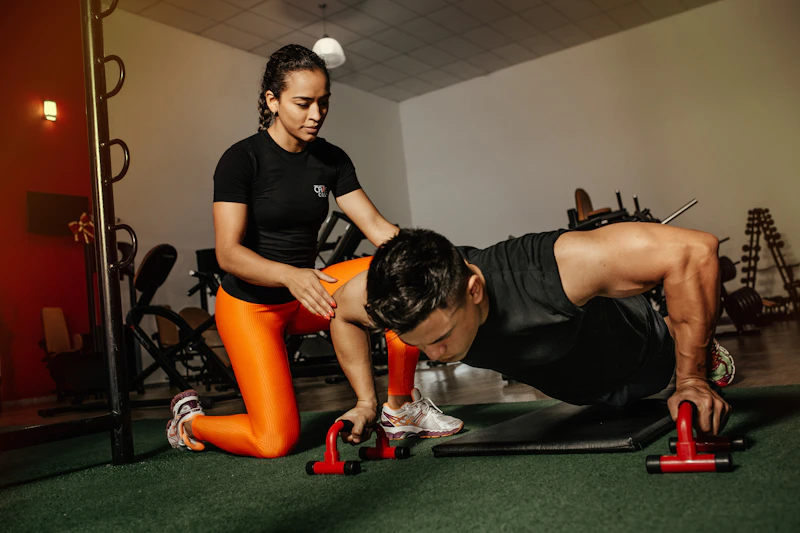
The best personal trainers in Dubai integrate HRV into programming. Here's what they look for:
Trend analysis: A single HRV number means little; trends mean everything. Top trainers track weekly averages, looking for sustained drops that signal overtraining or illness. They adjust volume, intensity, and exercise selection based on these trends.
Sleep correlation: Elite trainers cross-reference HRV with sleep data. If HRV drops but sleep was excellent, something else is causing stress (illness, life stress, poor nutrition). If HRV drops with poor sleep, prioritising sleep becomes the intervention.
Real-time adjustments: Rather than following a preset program rigidly, trainers adjust intensity, volume, and exercise selection based on morning HRV. Same programme outline, but execution differs. High HRV? Hit the strength work hard. Low HRV? Reduce volume by 30–40%, focus on technique and movement quality, skip the finisher.
Injury prevention: Chronically suppressed HRV signals nervous system fatigue and immune stress—precursors to illness and injury. Smart trainers back off proactively, preventing what would otherwise be a injury layoff.
Beyond HRV, top trainers monitor: resting heart rate, HRV morning trend, sleep quality and duration, subjective recovery feeling (1–10 scale), and training compliance. Together, these paint a complete nervous system picture.
9. Lifestyle Factors That Affect HRV in Dubai
HRV isn't just training response—it's a window into total life stress. Multiple factors depress HRV outside the gym:
Alcohol: Even one drink depresses HRV for 24–48 hours. The higher the intake, the longer the effect. Heavy drinking during weekends often explains low HRV on Monday, leading athletes to mistakenly train hard when recovering.
Caffeine: Excessive caffeine (more than 400mg daily) elevates resting sympathetic tone, crushing HRV. If you're drinking 4+ cups of coffee daily, your HRV will stay artificially low.
Nutrition timing: Poor nutrition and irregular eating depress HRV. During Ramadan, athletes often show HRV recovery in the evening post-meal and collapse by morning. Meal timing and nutrient density matter.
Mental stress: Work stress, relationship problems, financial worry—all suppress HRV. Sometimes low HRV isn't training fatigue; it's life stress. The intervention is stress management, not training reduction.
Hormones: For female athletes, HRV varies across the menstrual cycle, typically lower during the follicular phase, higher during the luteal phase. Knowing your personal pattern helps interpret HRV meaningfully.
Travel: Time zone changes, flight fatigue, sleep disruption—all depress HRV acutely. Plan conservative training in days 1–3 after international travel. HRV recovers by day 5–7.
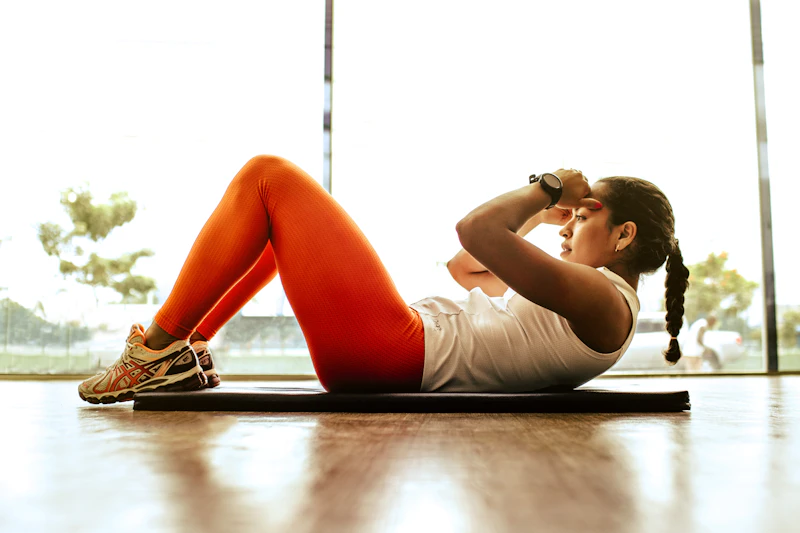
Sleep and recovery are non-negotiable. Poor sleep obliterates HRV more reliably than any single training session. Prioritise 7–9 hours, cool dark bedroom, and consistent schedule. Your HRV will reward you.
10. Frequently Asked Questions
What is a good HRV score for athletes in Dubai?
A good HRV score depends on your baseline and age, but generally scores above 50 ms are considered healthy for most adults. Elite athletes often score 60+ ms. The key is tracking your personal trend over weeks rather than comparing to others, as individual HRV varies widely. In Dubai's heat, expect your baseline HRV to be slightly lower due to thermal stress.
Does Dubai's heat affect HRV readings?
Yes, significantly. Dubai's extreme heat and humidity stress your autonomic nervous system, typically lowering HRV scores. Heat forces your sympathetic system to work harder for thermoregulation. Stay hydrated, measure HRV in the morning before heat exposure, and expect variation during summer months. Track trends over time rather than day-to-day fluctuations.
Which device is best for HRV tracking in Dubai?
The best device depends on your budget and needs. WHOOP and Garmin are most accurate for serious athletes; Polar H10 is excellent for gym workouts; Oura Ring offers comfort and overnight tracking; Apple Watch provides convenience. WHOOP is particularly popular in Dubai's fitness community due to its recovery-focused features and reliability in heat.
How do I use HRV to decide when to train hard vs. recover?
Use HRV as a guide alongside how you feel. If your morning HRV is elevated (above your baseline), you've recovered well and can train hard. If it's suppressed (below baseline), your body needs recovery—do light activity, focus on sleep, and hydrate aggressively. Never ignore how you feel; HRV complements but doesn't replace listening to your body.
Is HRV tracking worth the investment for casual exercisers?
For recreational exercisers (3–4 sessions weekly), HRV provides excellent return on investment. It simplifies training decisions, prevents overtraining injuries, and optimises recovery. Even a simple app-based system (Polar H10 + Elite HRV app, approximately AED 450 total) delivers enormous value. Serious athletes should invest in WHOOP or Garmin for continuous monitoring.

Connect With HRV-Savvy Trainers in Dubai
Ready to optimise your training with HRV data? List your coaching services or find a trainer who understands recovery-focused programming and biohacking fitness in Dubai's climate.