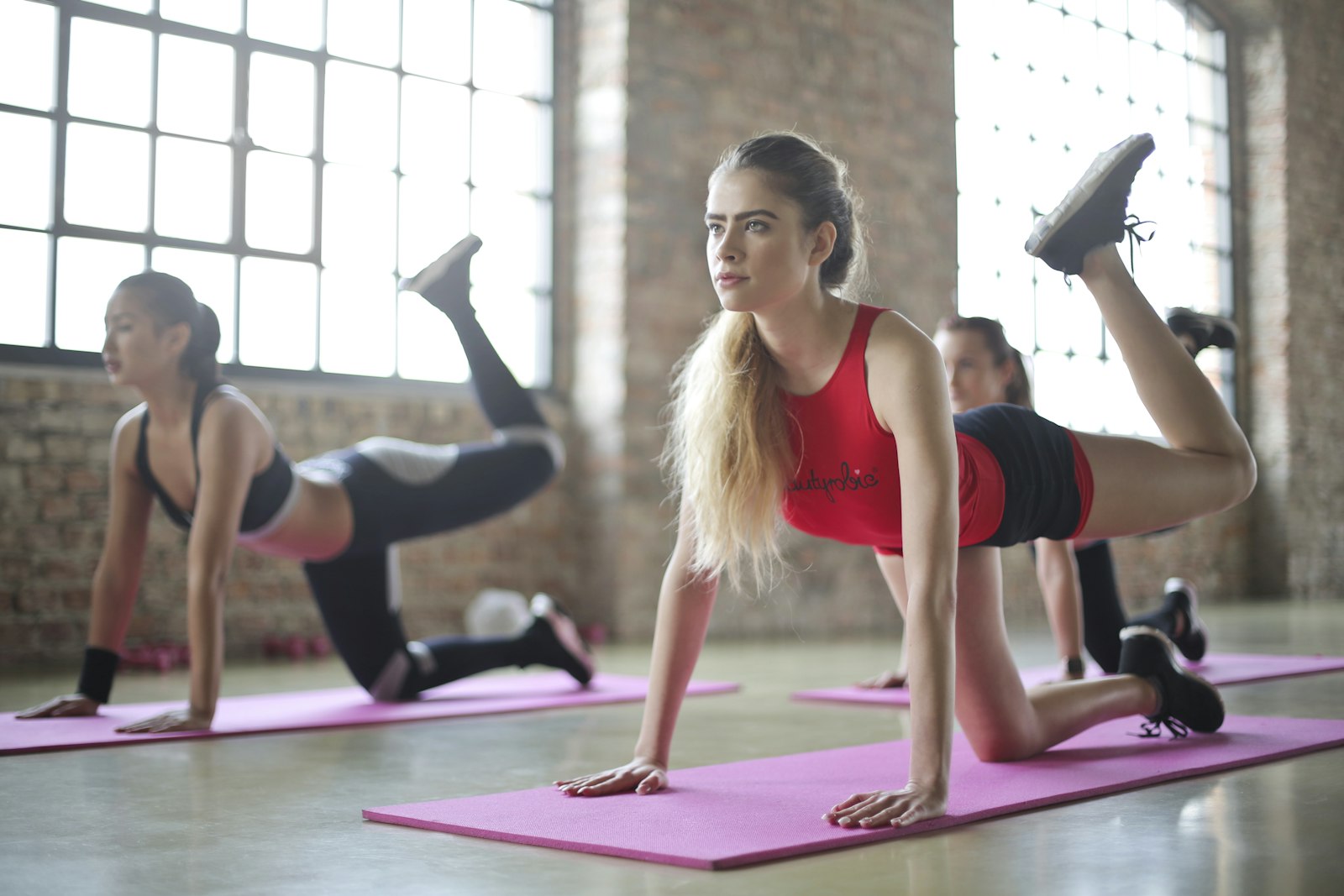
Pilates has transformed the fitness landscape of Dubai. From the gleaming studios of DIFC to the beachfront wellness centres of Jumeirah, pilates classes overflow with executives, new mums, athletes, and everyday people seeking a stronger, more mobile body. Whether you want to rehabilitate from back pain, recover after pregnancy, build lean muscle, or simply move better, pilates delivers remarkable results when done properly. This comprehensive guide walks you through every aspect of finding your perfect pilates teacher and studio in Dubai.
1. What is Pilates?
Pilates is a mind-body fitness system that emphasises precise, controlled movement, proper breathing, and deep core engagement. Created by Joseph Pilates in the early 1900s, it was originally used to rehabilitate injured dancers and soldiers. Today, it is one of the world's most effective systems for building functional strength, flexibility, and postural alignment.
Unlike traditional gym training that often targets isolated muscles, pilates trains movement patterns and functional integration. Every exercise involves the deep core stabilisers, particularly the transverse abdominis and multifidus muscles, which support your spine and improve posture from the inside out.
The Core Principles of Pilates
All authentic pilates programmes are built on six fundamental principles:
- Centering: Engaging your core and finding your centre of power before and during every movement
- Control: Moving with intention and precision rather than momentum or speed
- Concentration: Maintaining mental focus throughout the session to maximise mind-muscle connection
- Flow: Connecting movement sequences into smooth, continuous patterns
- Precision: Perfect exercise form is non-negotiable; one perfect rep beats ten sloppy ones
- Breathing: Coordinating breath with movement to enhance core engagement and oxygenation
This approach produces transformations that go beyond physical changes — people report improved posture, reduced pain, greater confidence, and a fundamentally different relationship with their bodies.
2. Why Pilates is Booming in Dubai
Dubai's explosive growth in pilates over the past five years is no accident. Several factors make the city uniquely suited to pilates culture.
A Lifestyle Aligned with Prevention
Dubai's cosmopolitan population tends to be health-conscious and prevention-minded. Pilates appeals to people who understand that building a resilient, pain-free body now prevents problems later. Executives spend hours at desks; pilates counters this perfectly. New mothers want to safely rebuild core strength; pilates is ideal. Athletes seeking to improve performance without injury risk find pilates invaluable.
World-Class Facilities and Teachers
Dubai attracts pilates teachers from around the world — STOTT-certified instructors from Canada, BASI-trained teachers from the USA and Europe, and Polestar-certified rehabilitation specialists. This concentration of expertise is available nowhere else in the Middle East. Read more about pilates in Dubai for deeper background.
Studio Design and Environment
Dubai's premium studios are architectural showcases. Overlooking the marina, with floor-to-ceiling windows, high ceilings, cutting-edge equipment, and premium sound systems, the environment itself inspires commitment. Many studios invest heavily in teacher training and client education — creating a culture of quality over volume.
A Supportive Community
Dubai's expat and local communities actively seek wellness and self-improvement. Pilates studios have become social hubs where women, in particular, form strong friendships and accountability networks. This sense of community significantly improves long-term adherence.
3. Types of Pilates in Dubai
Understanding the different pilates offerings will help you choose the right fit for your needs, experience level, and goals.
Reformer Pilates
The reformer is a spring-loaded bed with a moving carriage, pulleys, and bars. It provides variable resistance through springs and requires control to stabilise the moving platform. Reformer pilates is ideal for beginners because the springs provide feedback and assistance, making exercises easier to perform correctly. See our full guide: Reformer Pilates in Dubai.
Mat Pilates
Pure bodyweight pilates performed on a mat (or minimal props). Mat pilates is more challenging than reformer because there is no spring feedback — it relies entirely on your own stabiliser muscles. Most people begin with reformer then progress to mat. Read more: Mat Pilates in Dubai.
Clinical Pilates
Pilates specifically designed for rehabilitation and pain management, often done with physiotherapy collaboration. Clinical pilates in Dubai is prescribed for lower back pain, neck issues, postural dysfunction, and post-injury recovery. It is highly individualised and exercise selection is precise.
Prenatal and Postnatal Pilates
Specialised pilates for pregnant women and post-birth recovery. Prenatal pilates maintains strength and flexibility during pregnancy while respecting the changing body. Prenatal pilates in Dubai and postnatal recovery pilates are critical for safe, effective postpartum rehabilitation.
Men's Pilates
Pilates for men, often designed around sports performance, strength building, and injury prevention. Men's pilates in Dubai is growing rapidly as men overcome the misconception that pilates is "only for women." Many male athletes, golfers, and tennis players now train pilates.
4. Top Pilates Studios by Dubai Area
Dubai's pilates studios are clustered in premium areas. Here is a guide to studios and what makes each special:
Dubai Marina & JBR
The Hub: Dubai Marina is home to multiple upscale pilates studios. Expect high-end facilities, experienced teachers, and a diverse client base of expats and professionals. Waterfront locations offer inspiring environments. Reformer classes typically cost AED 120–180 per session, with memberships ranging AED 1,200–2,000 monthly.
Downtown Dubai & Business Bay
The Professional Hub: Studios here cater to corporate professionals with convenient lunch-hour and early-morning classes. Business Bay studios often emphasise clinical pilates and back pain relief. Pricing is competitive — AED 100–150 per drop-in class, AED 900–1,600 for monthly memberships.
DIFC (Dubai International Financial Centre)
The Premium Area: DIFC studios are boutique, high-end, and teacher-focused. Expect smaller class sizes, premium instruction, and state-of-the-art equipment. This is where you will find many of Dubai's most sought-after teachers. Classes cost AED 150–220 per session; memberships AED 1,600–2,500.
Jumeirah & Palm Jumeirah
The Wellness Neighbourhood: Jumeirah has a concentration of wellness-focused studios with strong communities. Many offer combined fitness packages. Some studios have waterfront or beachfront locations. Pricing: AED 110–170 per class, AED 1,000–1,800 monthly memberships.
Al Barsha & The Springs
The Accessible Option: These areas have excellent value pilates options. Studios are more low-key but instruction quality can be exceptional. Great for beginners and those seeking affordability. Pricing: AED 80–120 per class, AED 700–1,200 monthly.
Arabian Ranches & Jumeirah Golf Estates
The Community Studios: Smaller, more intimate studios serving residential communities. Often have strong, loyal memberships. Pricing varies: AED 100–150 per class, AED 1,000–1,600 monthly.
Find a Certified Pilates Instructor Near You
Browse GetFitDXB's directory of STOTT, BASI, and Peak-certified pilates teachers filtered by area, price, and specialisation. Book your trial class today.
5. Pilates Pricing: Classes vs Private vs Memberships
Pilates pricing in Dubai spans a wide range. Understanding the options will help you find the right balance between cost and value.
Drop-In Class Pricing
| Class Type | Per Class Cost | What to Expect |
|---|---|---|
| Mat Pilates Group Class | AED 80–150 | 8–15 people, 50–60 min, foundational to intermediate level |
| Reformer Group Class | AED 120–200 | 6–10 people, 50–60 min, better form coaching in smaller groups |
| Specialty Class (Clinical, Prenatal, etc) | AED 140–220 | 4–8 people, more personalised attention and modification |
Monthly Memberships
| Membership Type | Cost Range | Best For |
|---|---|---|
| Unlimited Classes | AED 1,400–2,500 | Dedicated practitioners training 3–6+ times weekly |
| 12 Classes / Month | AED 1,000–1,800 | Most popular — roughly 3 classes per week, strong commitment |
| 8 Classes / Month | AED 800–1,400 | Twice weekly, good balance of commitment and affordability |
| 4 Classes / Month | AED 500–900 | Once weekly, supplementing other fitness activities |
Private One-on-One Sessions
Pricing: AED 250–600 per 50–60 minute session depending on teacher experience and studio location. Many teachers offer discounts for packages (5–10 sessions). Private sessions are ideal for rehabilitation, beginners who need intense form coaching, or anyone with specific goals.
Semi-Private Sessions
Pricing: AED 150–300 per person per session for 2–4 people. This offers 60–70% of private session personalisation at 50–60% of the cost — excellent value.
- Commit to longer memberships — 3–6 month contracts often include 15–25% discounts
- Try semi-private sessions — far better value than private without sacrificing quality
- Take advantage of introductory offers — many studios offer discounted first month
- Follow studios on Instagram — they regularly post promotional codes and free class invitations
- Consider online pilates — typically AED 50–100 per class, perfect for supplementing in-studio training
6. Teacher Qualifications: STOTT, BASI, Peak Explained
Not all pilates teachers are equally qualified. The certification organisations matter enormously. Here is what you need to know:
STOTT Pilates
The gold standard globally. STOTT (Stott Pilates Toronto) requires 450+ hours of training, practicum, and written/practical exams. STOTT-certified teachers have deep knowledge of exercise mechanics, anatomy, and equipment mastery. If finding a STOTT-certified teacher, you are getting genuine expertise. Look for "STOTT Certified" in their credentials.
BASI Pilates (Balanced Body)
BASI (Balanced Body Academy of Sports and Integrated) is equally rigorous, requiring 600+ hours of training. BASI teachers often excel at mat pilates and teach foundational principles exceptionally well. BASI certification is highly respected in Dubai, particularly in mat-focused studios.
Peak Pilates
Peak Pilates certifications (available at various levels) are well-regarded, particularly in the USA and increasingly in Dubai. Peak requires substantial practical and theoretical training. Look for "Peak Certified" designations.
Polestar Pilates
Polestar specialises in rehabilitation and clinical pilates. Their teachers have strong backgrounds in exercise science and often work alongside physiotherapists. If seeking clinical pilates for back pain or rehabilitation, Polestar certification is a strong indicator of quality.
Some studios employ teachers with minimal training — weekend courses or short online certifications with no practical examination. Always verify credentials directly. Legitimate certifications require hundreds of hours and ongoing professional development. Do not assume anyone teaching pilates has proper qualification — ask specifically about their certification organisation and hours of training.
What to Ask a Potential Teacher
- Which certification organisation are you certified by? (Look for STOTT, BASI, Peak, or Polestar)
- How many hours of training did you complete?
- Do you hold current CPD (continuing professional development) credentials?
- Do you have experience with clients who have my specific goal or condition?
- Can I speak with a few of your current clients for references?
7. Reformer vs Mat Pilates: Which Should You Choose?
This is the question most beginners ask. The honest answer: both are excellent, and they serve different purposes.
Reformer Pilates Benefits
- Spring feedback: Springs provide assistance and resistance feedback, making exercises easier to understand and perform correctly
- Beginner-friendly: Lower barrier to entry — you can achieve good form earlier even without years of body awareness
- Adjustable resistance: Springs can be adjusted to your strength level, making progression smooth
- Injury-safer: For people with existing pain or limited strength, springs take load off the spine
- Faster visible results: The equipment can accelerate strength gains in the first 4–8 weeks
Mat Pilates Benefits
- Pure body control: Developing true core strength and body awareness without external support
- Functional transfer: Skills transfer more directly to everyday movement and sport
- Lower cost: Mat classes are typically 20–30% cheaper
- Accessibility: Can be done anywhere — home, parks, travel
- Progressive depth: Advanced mat pilates is profoundly challenging, offering unlimited progression
✅ Choose Reformer If
- You are a complete beginner
- You have existing joint pain or injury
- You want faster initial strength gains
- You prefer guided, feedback-rich movement
- You are recovering from surgery or postpartum
✅ Choose Mat Pilates If
- You have prior pilates experience
- You want functional, real-world transfer
- You prefer lower cost
- You have strong body awareness
- You seek unlimited progression challenge
The ideal approach: Start with reformer pilates for 8–12 weeks to build foundational strength and technique awareness. Then transition to mat classes or combine both. See our deep dive: Reformer vs Mat Pilates: Complete Comparison.
8. Private Sessions vs Group Classes
Both modalities work. The choice depends on your goals, budget, and personality.
Private Sessions
Best for: Rehabilitation, intensive body-specific goals, beginners needing detailed form coaching, athletes seeking performance optimization, or anyone with a specific condition.
Advantages: Completely individualised programming, undivided teacher attention, exercise modification in real-time, faster progression for specific goals, ability to focus on your unique needs and limitations.
Cost: AED 250–600 per session. Expensive, but justifiable if you have a specific rehabilitation or performance goal.
Group Classes
Best for: General fitness, consistency through community, most people seeking sustainable lifestyle change, those wanting social connection and accountability.
Advantages: Lower cost, social motivation and community, structured commitment (scheduled classes create habit), exposure to different teaching styles, group energy often elevates individual effort.
Cost: AED 100–200 per class or AED 800–1,600 monthly membership. Far more economical.
Semi-Private Sessions
2–4 people training together offers an excellent middle ground — significant personalisation at roughly half the private session cost. Many people find this the sweet spot.
9. Pilates for Specific Goals
Pilates is remarkably effective for targeted goals. Here is how it addresses specific needs:
Weight Loss and Body Composition Change
Pilates builds lean muscle and improves metabolic rate. While it burns fewer calories per session than HIIT or running, it builds muscle which increases daily caloric expenditure. Combine 3–4 pilates sessions weekly with cardiovascular activity for optimal body composition change. See: Pilates for weight loss in Dubai.
Back Pain and Postural Relief
Clinical pilates is specifically designed for back pain rehabilitation. By strengthening deep spinal stabilisers, improving posture, and releasing hip and thoracic tightness, many people eliminate chronic back pain within 8–12 weeks. This is one of pilates' most powerful applications.
Postnatal Recovery
Post-birth, the abdominal wall, pelvic floor, and core are fundamentally weakened. Postnatal pilates safely rebuilds these systems. Most women notice dramatic improvement in diastasis recti (abdominal separation), incontinence, and overall strength within 12 weeks of consistent training.
Sports Performance
Many elite athletes use pilates for injury prevention, mobility, and core strength. Tennis players, golfers, footballers, and swimmers all benefit from pilates' focus on functional integration and injury prevention.
10. How to Get Started with Pilates in Dubai
Taking the first step into pilates can feel daunting. Here is exactly how to approach it:
Step 1: Define Your Goal
Be specific. Are you seeking back pain relief? Body composition change? Postnatal recovery? Sports performance improvement? General fitness? Your goal determines whether you choose reformer or mat, private or group, beginner or intermediate level.
Step 2: Choose Your Studio
Location matters more than you think. A studio 10 minutes from home will be easier to attend consistently than one 30 minutes away. Check GetFitDXB for studios in your area, read reviews, and check their teacher qualifications on their website.
Step 3: Book a Trial Class
Most studios offer a discounted or free introductory class. Take it seriously — arrive 10 minutes early, wear comfortable clothing, bring water. Assess the teacher's communication style, class size, environment, and whether you feel comfortable.
Step 4: Commit to 4 Weeks
Bodies take time to adapt. Commit to at least 4 weeks (ideally 2 sessions weekly) before deciding if pilates is right for you. Most people feel dramatically different within 4 weeks but do not see major physical changes until 8–12 weeks.
Step 5: Establish Consistency
The 80/20 rule applies: 80% of results come from consistent, moderate effort over time. Two sessions per week, every week, beats sporadic four-session weeks. Schedule pilates like any non-negotiable appointment.
- Clothing: Fitted, stretchy clothing (leggings, joggers, fitted t-shirt) that allows movement without fabric bunching
- Shoes: Most studios require socks or bare feet — bring socks if you prefer
- Water: Bring significantly more water than you think needed, especially in summer
- Mat: Studios provide mats but you can bring your own if preferred
- Mindset: Arrive 10 minutes early, leave ego at the door, and be honest about any pain or limitations
11. How to Choose the Right Pilates Studio
With dozens of studios now operating in Dubai, how do you choose? Here is your checklist:
Teacher Qualifications
This is non-negotiable. A studio is only as good as its teachers. Check the studio website or app for each teacher's certification. STOTT, BASI, Peak, or Polestar certifications indicate serious training. If qualifications are not listed, ask in person.
Class Size and Attention
Smaller classes (6–10 people) allow for better form coaching than large classes (15+ people). For reformer pilates, 8–10 people is ideal. For mat, 10–15 is acceptable but beyond that, form coaching suffers.
Equipment Quality and Maintenance
Quality reformers are expensive. Studios that invest in premium equipment (Balanced Body, Gratz, etc.) typically have studios that care about details. Visit in person and assess: do the machines feel stable? Are they clean? Do springs feel responsive? Poor equipment = poor results.
Studio Environment
The space matters. Natural light, good air circulation, appropriate temperature, good music, and inspiring décor all contribute. If a studio feels cramped or cold, you will be less motivated to return.
Flexibility and Accessibility
Do they offer class times that fit your schedule? Can you easily modify or cancel membership if life changes? Are they accessible via public transport or parking available? Practical logistics significantly impact long-term consistency.
Community and Culture
The best studios cultivate genuine community. Read online reviews — do people mention friendships, support, and community? That is a strong indicator.
Pricing Transparency
Good studios display pricing clearly, offer multiple package options, and are upfront about what is included. Be wary of studios that hide pricing or pressure you into long contracts.
Trial Class Opportunity
Any studio worth joining will offer a discounted or free trial class. If they refuse, that is a red flag.
12. Frequently Asked Questions About Pilates in Dubai
Is pilates suitable for beginners with zero exercise experience?
Absolutely. Pilates is exceptional for beginners precisely because it focuses on movement quality over intensity. A good teacher will scale exercises to your current level. Many people with years of sedentary work find pilates remarkably accessible. Start with reformer classes if beginners — the equipment provides feedback and support.
How long before I see results?
You will feel results within 2–3 weeks — better posture, improved energy, less back pain, better sleep. Visible physical changes (muscle definition, improved body composition) take 8–12 weeks with consistent training (2–3 times weekly) and aligned nutrition. Be patient; pilates changes your body systematically.
Can pilates help with chronic back pain?
Yes. Clinical pilates is specifically designed for back pain rehabilitation. Many people eliminate chronic lower back pain within 8–12 weeks of consistent clinical pilates, especially when combined with physiotherapy. It addresses root causes — weak deep stabilisers, tight hip flexors, poor posture — rather than just symptoms.
Is pilates effective for weight loss?
Pilates builds lean muscle and improves metabolic rate, but it burns fewer calories per session than high-intensity cardio. For weight loss, combine pilates (3 sessions weekly) with cardio (walking, running, cycling) and calorie-controlled nutrition. Pilates excels at improving body composition — building muscle while reducing fat.
Can men do pilates? Is it really effective for male athletes?
Pilates is highly effective for men, particularly athletes. Core strength, hip mobility, injury prevention, and movement quality are critical for football, tennis, golf, and cricket. Many elite male athletes use pilates. Beginner male clients sometimes feel self-conscious in female-dominated classes, but many studios now offer men's-specific classes. See: Men's Pilates in Dubai.
Can I do pilates if I have a pre-existing injury?
Yes, with proper guidance. Inform your instructor about any injuries or pain. Clinical pilates is specifically designed for rehabilitation. Many injuries actually improve with proper pilates training. However, if pain is acute or severe, consult a physiotherapist before starting.
How often should I do pilates?
Twice weekly is the minimum for meaningful progress. Three times weekly is optimal for most goals. More than 4 times weekly is rarely necessary unless training at elite levels. Consistency matters far more than frequency — two sessions every week beats four sessions occasionally.
Is pilates or yoga better?
Different tools for different goals. Pilates emphasises strength, core stability, and functional integration. Yoga emphasises flexibility, balance, and mindfulness. Most people benefit from both. They are complementary rather than competitive.
Which studios are best for postnatal recovery?
Specialised prenatal and postnatal pilates studios employ teachers trained in postpartum rehabilitation. Look for studios advertising "postnatal specialisation" or "women's health pilates." These teachers understand diastasis recti, pelvic floor health, and postpartum body changes.
Can I combine pilates with other fitness activities?
Yes, absolutely. Pilates integrates beautifully with strength training, cardio, yoga, swimming, and sports. In fact, combining pilates with other activities often produces faster results. Many personal trainers in Dubai now include pilates components in their programmes. Visit our wellness section for integrated programmes.