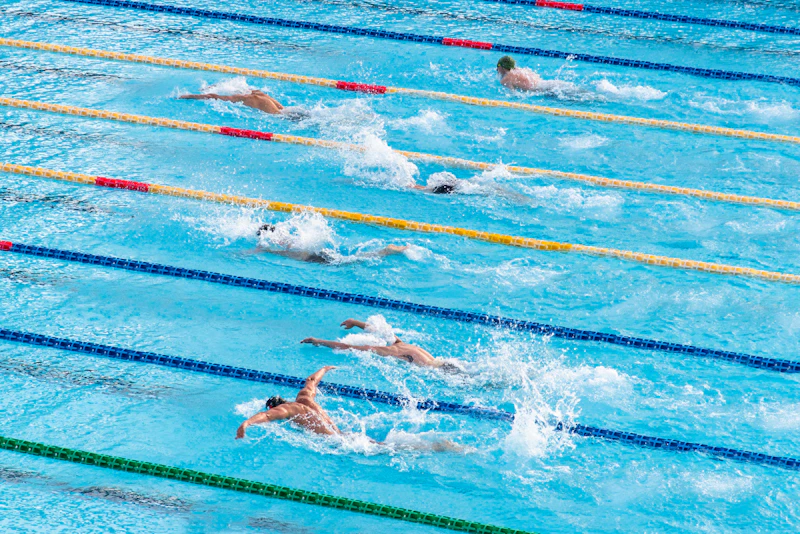
Water safety and swimming confidence are non-negotiable life skills for children growing up in Dubai — a city surrounded by water, beaches, and pools. From the moment your little one can splash safely, swimming lessons offer far more than just technique. They build water confidence, self-efficacy, emergency awareness, and pure joy. This guide covers everything parents need to know about toddler swimming in Dubai, from age-appropriate lessons to finding the best instructors, realistic costs, and how to overcome common fears.
As part of Kids and Family Fitness in Dubai: Complete Guide, toddler swimming is a cornerstone activity that shapes physical development, water safety awareness, and lifelong fitness habits.
1. When to Start: Age-Appropriate Swimming Milestones (6 Months to 5 Years)
The best time to introduce your child to water is when they show developmental readiness. Dubai's excellent facilities mean you have options from early infancy through preschool.
6 to 18 Months: Parent-Baby Water Familiarisation
Babies this age cannot learn to swim technically, but they can begin water familiarisation with a parent. The focus is on building comfort, experiencing water sensations, and establishing positive associations. Classes typically involve gentle splashing, floating support, and songs. Your presence is essential — water should feel like play, not stress.
18 Months to 3 Years: Early Water Independence
Around 18-24 months, children typically develop enough confidence and water comfort to begin beginner structured lessons. They can follow simple instructions, understand "get in the water" and "kick," and increasingly tolerate short periods away from parents. Early lessons at this stage focus on floating with support, water comfort, and introducing fundamental movements.
3 to 5 Years: Structured Skill Development
Preschool children progress rapidly. By 3 years, many children can learn basic swimming strokes, gliding, and increasingly independent floating. By 5 years, children who have had consistent lessons often achieve surprising competence — floating on their back unsupported, rudimentary freestyle, and genuine water confidence. This age group benefits from structured group lessons with clear progression pathways.
- Comfort with water on face (splashing, pouring)
- Ability to follow simple one-step instructions
- Sitting balance without constant support
- Showing interest in water and other children
- Increasing independence from parent/caregiver
2. Water Safety in Dubai: Why It's Especially Important
Drowning is one of the leading unintentional injuries affecting young children globally, and Dubai's water-rich environment means exposure is high. Pools, beaches, water parks, fountains, and bathtubs all pose risks. Swimming lessons and water safety awareness are not luxury activities — they are essential safety investments.
Dubai's Water Landscape
Dubai residents enjoy unprecedented water access: luxury hotel pools, residential building pools, public beach areas, wild wadi, water parks, and the iconic public pools throughout the emirates. This abundance means your toddler will inevitably encounter water frequently. Early familiarisation and skill-building dramatically reduce drowning risk.
Survival Swimming Skills
Beyond technique, early swimming lessons teach survival awareness: how to recover from accidental entry, how to call for help, how to float on their back if tired. These skills are literal lifesavers. Research from the CDC shows that formal swim instruction reduces drowning risk by up to 88% in young children.
Water Temperature in Dubai
Dubai's pools range from heated (maintained at 28-30°C year-round) to unheated outdoor pools (varying 16-30°C seasonally). Your toddler's body temperature regulation is still developing, so instructors will monitor how long they spend in water. Reputable facilities provide warm water environments for young toddlers specifically because of this consideration.
3. What to Expect in Toddler Swimming Lessons
Understanding what actually happens during a lesson helps manage expectations and prepare your child mentally.
Typical Lesson Structure (30-45 minutes)
Warm-up / Entry (5 minutes): The instructor will greet your toddler and begin with gentle water entry. For anxious children, they might start in the shallow end with a parent. Water play with toys often eases transition.
Skills Practice (20-30 minutes): The core of the lesson focuses on one or two swimming fundamentals depending on age. Younger toddlers practice floating with support, water comfort, and basic movements. Older preschoolers work on stroke technique, breath control, and unassisted floating. Expect lots of repetition, encouragement, and play-based learning.
Cool Down (5 minutes): The lesson typically ends with calmer activities — gentle floating, songs, or water play — before exiting the pool.
Instructor Qualifications Matter
Look for instructors with specific toddler/child certifications (not just adult swimming qualifications). Reputable instructors should hold:
- Certified swimming instructor qualification (CISWIM, STA, ASA, or equivalent)
- Current first aid and CPR certification (essential)
- Experience working specifically with toddlers and young children
- Patience and understanding of age-appropriate development
Ready to Find a Swimming Instructor for Your Toddler?
Browse certified swim instructors across Dubai. Read authentic parent reviews, compare pricing, and book your first lesson today.
4. Best Toddler Swimming Programs in Dubai (Facilities, Programs, Locations)
Dubai has excellent swimming facilities catering specifically to toddlers. Here are the most reputable providers:
JA Ocean View Hotel Swimming Academy
One of Dubai's premier swim schools, offering dedicated toddler programmes from 6 months. Heated pools, experienced instructors, structured progression. Parent-baby classes and independent lessons both available. Excellent safety standards and professional facilities.
GymNation Toddler Swimming Classes
Multiple GymNation locations across Dubai include dedicated toddler pools and swimming instruction. Good value, convenient locations, and friendly instructors experienced with young children. Popular with busy Dubai families.
NAS Sports Centres — Swimming Programs
NAS locations across Dubai offer comprehensive swimming lessons for all ages. Dedicated toddler instructors, temperature-controlled facilities, and structured curriculum progression. Professional standards and good reviews from parents.
Jumeirah Beach Hotel Swim School
Luxury facility with beautiful pool environments. Professional instructors trained specifically in toddler water familiarisation. Higher price point but exceptional facilities and attention to detail.
Additional providers include David Lloyd Clubs, Fitness First pools (though smaller), and independent swim instructors operating from various facilities across Dubai's swimming pools and facilities.
5. Parent-and-Child Classes vs Independent Lessons: Which Is Right?
Two distinct formats serve different ages and family needs.
Parent-and-Child Classes (6-18 Months)
Format: You are in the water with your child throughout. The instructor guides activities but you remain the primary support person.
Benefits: Your child benefits from your security and reassurance. You learn water safety techniques to use at home. Physical bonding occurs naturally. Perfect introduction to water. Less anxiety for anxious infants.
Drawbacks: Slower progression toward independence. Your comfort in water matters (fearful parents sometimes communicate that fear to children). Requires your participation.
Independent Lessons (18 Months+)
Format: Your child enters the pool primarily with the instructor. You observe from poolside.
Benefits: Accelerated independence and confidence. Children learn they can succeed without parental presence. Instructor can work with child one-on-one. Faster technical progression. More scalable for multiple children.
Drawbacks: Some separation anxiety initially. Requires your child to be comfortable away from parent. Less direct learning opportunity for parents.
✅ Parent-Child Best For
- Infants 6-12 months old
- Highly anxious or sensitive children
- First water exposure
- Parents wanting hands-on involvement
- Building parent-child water confidence
❌ Independent Best For
- 18+ months with prior water exposure
- Children showing water confidence
- Faster skill progression desired
- Developing independence
- Focused technical instruction
6. Cost Guide: What You'll Pay for Toddler Swimming in Dubai (2026)
Swimming lesson costs in Dubai vary considerably based on facility, instructor experience, class size, and programme type. Here is realistic 2026 pricing:
Per-Session Pricing
| Programme Type | Age Group | Per Session Cost (AED) |
|---|---|---|
| Parent-Baby Groupclass | 6-18 months | AED 120–180 |
| Toddler Group Lessons | 18 months–3 years | AED 80–120 |
| Preschool Group Lessons | 3–5 years | AED 70–110 |
| Semi-Private (2–3 children) | Any age | AED 140–200 |
| Private One-on-One Lessons | 18 months–5 years | AED 200–350 |
Monthly Package Pricing
Most facilities offer better value through monthly packages than pay-per-session.
| Package Type | Sessions/Month | Monthly Cost (AED) | Cost Per Session |
|---|---|---|---|
| Starter Package | 4 sessions | AED 350–450 | AED 88–113 |
| Standard Package | 8 sessions (2x/week) | AED 550–700 | AED 69–88 |
| Intensive Package | 12 sessions (3x/week) | AED 750–950 | AED 63–79 |
- Book monthly packages — typically 15-25% discount vs per-session pricing
- Join group classes rather than private — substantial savings but slower progression
- Look for off-peak times — early morning or weekday slots sometimes offer discounts
- Negotiate longer commitments — 3-month or 6-month deals often yield additional discounts
- Search for seasonal promotions — summer often brings deals to fill classes
7. How to Prepare Your Toddler for Their First Swimming Class
Good preparation makes the first lesson far less stressful for everyone.
Mental Preparation (Weeks Before)
- Read positive water books: Picture books about swimming build excitement. Avoid books with drowning themes.
- Use positive language: "You're going to splash and play in the pool!" rather than "You have to learn to swim."
- Share your own pool stories: Children feel safer when parents talk positively about their own water experiences.
- Visit the facility beforehand: If possible, visit the pool area when it is not lesson time. Let them see the instructor, watch other children, and familiarise with the space.
- Play water games at home: Bath time water play, sponge splashing, pouring water — all build comfort with water sensations.
Physical Preparation (Day of First Lesson)
- Keep routine normal: Don't make it a "big deal." Nap time, feeding, and normal rhythm are important.
- Dress simply: Bring swim nappy (if appropriate age) and simple clothing easy to remove. Avoid complicated outfits.
- Bring comfort items if needed: A familiar water toy can ease initial anxiety (though instructors may ask you to leave it poolside once lesson starts).
- Arrive early: 10-15 minutes before lesson time. This allows your child to adjust without rushing.
- Stay positive during goodbye: If you are not in the water with them, keep your exit brief and cheerful. Extended goodbyes intensify separation anxiety.
8. Common Parent Concerns About Toddler Swimming
Fear of Water / Separation Anxiety
Normal? Absolutely. Many toddlers cry at first lessons. This is developmental, not a sign they dislike swimming.
What to do: Consistent attendance is key. Children who attend weekly (not sporadic) adapt fastest. Reassure instructors you want them to proceed despite tears initially. Most children settle within 2-4 weeks of regular lessons. If severe anxiety persists beyond 4-6 weeks, discuss with the instructor whether parent-child classes might be better suited temporarily.
Ear Infections from Swimming
Real concern? Possible, but not automatic. Chlorinated pools maintain hygiene standards that prevent most infections. Salt water can actually irritate ears more than chlorine.
Prevention: Bring a towel and dry ears immediately after lessons. Consider silicone ear plugs if your child is prone to ear infections (though some instructors prefer children without them). Consult your GP if you have concerns before starting lessons.
Aspiration / Choking Risk
Is it safe? Yes, when instructors are properly trained and class sizes are appropriate. Instructors are taught rescue breathing and choking response. Reputable facilities maintain strict instructor-to-child ratios (typically 1:6 for toddlers, 1:8 for preschool).
My Child Will Drown
Valid fear? This fear is completely natural and shared by virtually all parents. Here is the reality: Drowning is silent and quick (15-20 seconds typically), which is why supervision and early swimming skills are so important. Lessons do not guarantee your child will never drown — but early water familiarisation and survival swimming skills reduce drowning risk by up to 88% according to CDC research. Supervision remains essential. Lessons are risk-reduction, not risk-elimination.
9. Dubai-Specific Considerations: Temperature, Heat, and Chemical Safety
Pool Temperature
Dubai facilities maintain different temperatures. Most dedicated toddler facilities keep pools at 28-30°C year-round because young children lose body heat quickly and struggle to regulate temperature in cold water. Check that your facility maintains warm water for toddler classes. Overheated water (above 31°C) can also be uncomfortable.
Summer Heat (May-September)
Outdoor pools become extremely hot (30-35°C+) during summer, and direct sun exposure even for short periods is dangerous for toddlers. Summer classes typically move indoors or to early morning slots. Confirm facility plans with your instructor before booking summer sessions.
Chemical Exposure
Dubai's chlorinated pools maintain safety standards, but some children react to chlorine. Signs include red eyes, skin irritation, or coughing. If your child shows sensitivity, discuss with your instructor and GP. Some facilities use alternative sanitisation methods (salt water, ozone) that might be gentler, though these are less common in Dubai.
UV Protection
Even for water-based activities, toddlers need sun protection. Apply reef-safe sunscreen before lessons (especially outdoor classes), and consider UV-protective swim wear for extended pool time.
10. Progressing from Toddler to Independent Swimmer (3-5 Years)
A well-structured swim programme follows clear progression. Here is what you should expect to see:
Months 1-2: Water Comfort
Focus on confidence, playing in water, and comfort with water on face and ears. No pressure for actual swimming yet.
Months 3-4: Floating
Introduction to supine floating (on back) with instructor support, then with reduced support. This is the foundation of survival swimming and takes time to establish.
Months 5-8: Basic Strokes
Introduction to leg kicks with pool noodle support, arm movements, and combining into basic freestyle or backstroke patterns. Lots of repetition and encouragement.
Months 9-12: Increasing Independence
Reduced instructor support, further stroke refinement, introduction to underwater movement, and beginning to combine breath control with movement.
12+ Months: Rudimentary Swimming
By 12 months of consistent lessons, many children (though not all) can swim 5-10 metres independently or with minimal support. Expect continued refinement over the following years.
Not all children progress at identical rates. Some toddlers race ahead, while others need slower progression. Consistent attendance matters far more than intensity. A child attending twice weekly for 12 months will progress further than one attending 3x weekly for 3 months then stopping. Work with your instructor to set realistic goals for your individual child.
11. Frequently Asked Questions: Toddler Swimming in Dubai
What is the best age to start swimming lessons in Dubai?
Babies can start parent-baby water familiarisation at 6 months. Independent group lessons typically begin at 18-24 months when toddlers show developmental readiness. There is no harm in starting earlier with parent-baby classes if your child is interested, but formal lesson structures suit older toddlers better.
My child is terrified of water. Should I force them into lessons?
No. Forcing creates negative associations. Instead, build comfort gradually — bath time play, shallow pool wading, parent-child classes if available. Once they show comfort, consider gentle lessons. Some children need more time; patience matters more than early enrollment.
Are private lessons better than group classes?
Private lessons offer faster progression and individualised attention, but cost 2-3x more. Group classes offer excellent progression at lower cost, though instructors must manage multiple children. For most families, group classes are ideal. Consider private lessons if your child has specific needs (anxiety, developmental considerations) or if progression is slow after several months of group classes.
How often should my toddler attend swimming lessons?
Once weekly is the minimum to see meaningful progress. Twice weekly is ideal for most children — enough consistency to build skills without overwhelming frequency. Less frequent attendance (every other week) usually results in very slow or absent progression.
Can my toddler learn to swim in one summer season?
Unlikely, unless you commit to intensive (3-4x weekly) private lessons. Meaningful swimming progression typically requires 6-12 months of consistent attendance. Summer-only lessons can build confidence and water familiarity, but actual swimming skills need longer-term commitment.
What about open water swimming — is the sea safer than pools?
No. Open water (sea, lakes) is significantly more dangerous than pools. Rip currents, depth changes, waves, and visibility create hazards pools don't have. Toddlers should never be unsupervised in open water. Build pool swimming competence first, and only introduce open water with adult supervision and appropriate life vests for very young children.
Find the Perfect Swimming Lessons for Your Toddler
Explore qualified swim instructors and facilities across Dubai. Read parent reviews, compare programs, and book your first lesson — all in one place.
- Water familiarisation can start at 6 months (parent-baby classes); independent lessons at 18+ months
- Swimming skills and water awareness significantly reduce drowning risk
- Dubai's water-rich environment makes early swimming competence essential
- Costs range from AED 70-180 per session depending on age, class type, and facility
- Monthly packages provide 15-25% savings vs per-session pricing
- Consistent attendance (2x weekly ideal) matters more than lesson intensity
- Parent-child classes suit 6-18 months; independent lessons suit 18+ months
- Good preparation and realistic expectations make first lessons much easier
- Top facilities include JA Ocean View, GymNation, NAS, and Jumeirah Beach Hotel
- Meaningful swimming progression typically requires 6-12 months of consistent attendance