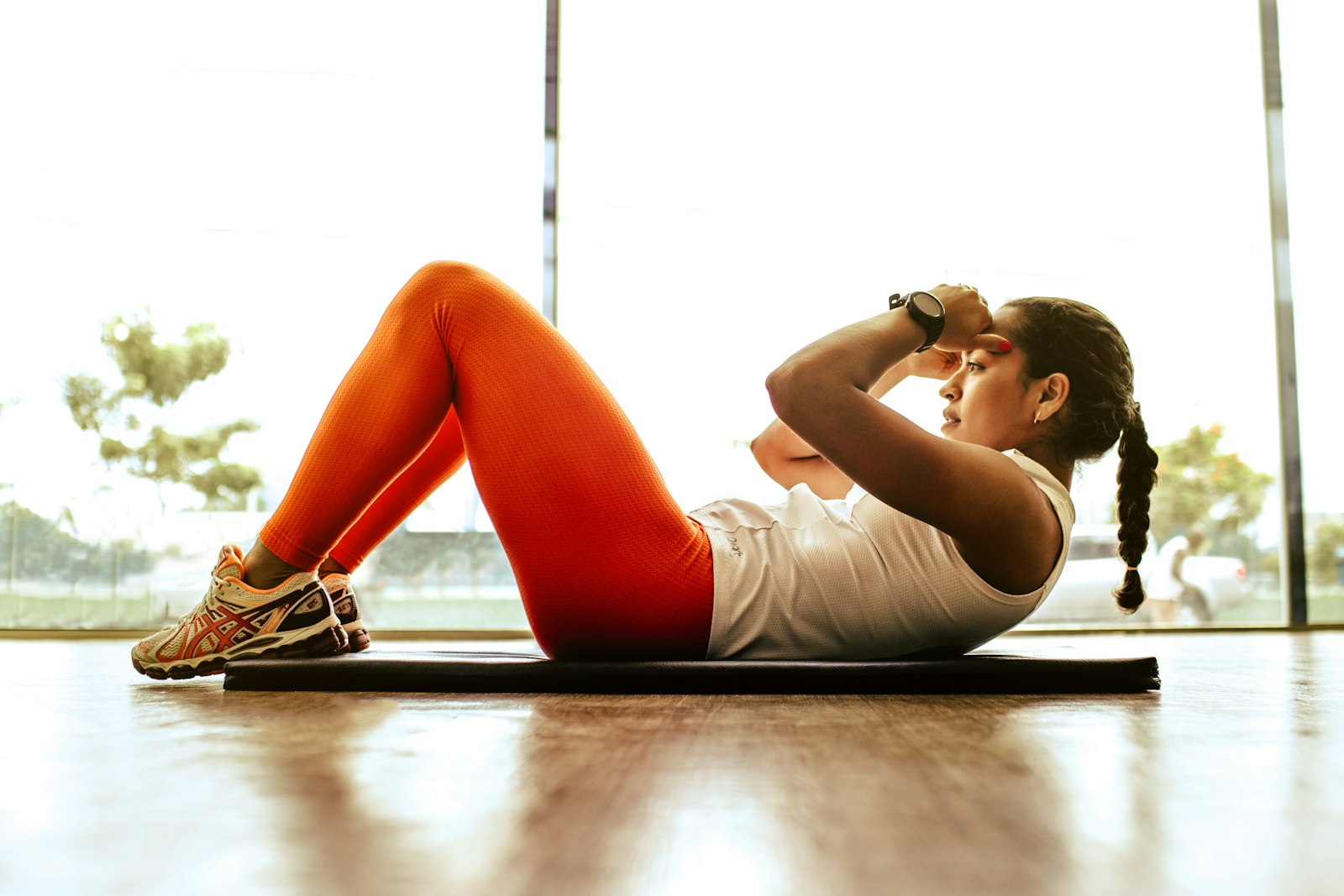
You've just completed an intense workout — your muscles feel strong, your energy is high. But the next morning, you can barely walk down the stairs. Your legs feel stiff, heavy, and sore. Welcome to DOMS: Delayed Onset Muscle Soreness. If you've ever experienced this, you're not alone. DOMS is one of the most common questions new fitness enthusiasts ask, and for good reason. Understanding DOMS muscle soreness in Dubai's demanding heat and humidity will help you train smarter, recover faster, and keep pushing towards your goals without unnecessary pain.
1. What is DOMS and Why Does It Happen?
DOMS stands for Delayed Onset Muscle Soreness. It's the muscle pain, stiffness, and tenderness that typically appears 24 to 72 hours after intense exercise — especially after trying a new activity, increasing training intensity, or focusing on exercises your body isn't accustomed to.
Despite what you might have heard, DOMS is not caused by lactic acid buildup. That's an old myth. Instead, DOMS results from microscopic damage to muscle fibres, specifically from eccentric contractions — the lengthening phase of muscle movement. When you lower a heavy weight, walk downstairs, or jump and land, your muscles are contracting while being stretched. This creates tiny tears in the muscle tissue.
Your body's inflammatory response then kicks in. Immune cells flood the damaged area to repair the muscle, which causes swelling, fluid accumulation, and the characteristic soreness you feel. The good news: this microscopic damage and subsequent repair is actually part of how muscles grow stronger. Your body adapts by building stronger, larger muscle fibres to handle the stress in the future.
DOMS involves inflammatory markers like cytokines and prostaglandins. While inflammation is necessary for adaptation and growth, managing it effectively through sleep, hydration, and nutrition can reduce soreness and speed recovery. This is especially important in Dubai's hot climate where dehydration compounds inflammation.
2. DOMS vs Acute Muscle Soreness
It's important to distinguish DOMS from immediate, acute muscle soreness — the pain you feel during or immediately after exercise. These are different phenomena with different causes.
Acute Muscle Soreness (During/After)
- Occurs during or immediately after exercise
- Caused by metabolic byproducts and lactate
- Usually subsides within hours
- Sharp, burning sensation
- Related to exercise intensity and duration
DOMS (24-72 Hours Later)
- Appears 24-72 hours post-exercise
- Caused by muscle fibre damage and inflammation
- Gradually resolves over 3-7 days
- Dull, heavy, stiff sensation
- More severe with new or unaccustomed movements
Understanding this difference helps you interpret your body's signals correctly. If your muscles feel sore immediately after your workout, that's normal acute soreness. If they're fine immediately but start feeling sore the next day, that's DOMS.
3. How Long Does DOMS Last?
DOMS typically follows a predictable timeline, though individual variation exists:
- Peak soreness: 24-48 hours post-exercise (usually around 24-30 hours)
- Gradual improvement: Days 3-5
- Near full resolution: 5-7 days
- Severe cases: 7-10 days (after very intense training or significant new stimulus)
The timeline depends on several factors: your fitness level (trained individuals experience less DOMS), exercise intensity and duration, how unfamiliar the movement is to you, your age (DOMS can be slightly worse as you age), and your recovery practices. In Dubai's heat and humidity, DOMS often feels more intense because dehydration amplifies inflammation.
Important: if soreness lasts beyond 10-14 days, is accompanied by severe pain, significant swelling, or loss of function, you may have a muscle strain or injury rather than simple DOMS. Consult a physical therapist or sports medicine professional.
4. Why DOMS is Worse After New Exercises
You've probably noticed that trying a new exercise for the first time causes much more soreness than repeating familiar movements. There's science behind this phenomenon.
The repeated bout effect is your body's remarkable ability to adapt. After you perform an exercise once, your nervous system and muscles "remember" it. Even if you wait weeks before repeating that same movement, your body experiences significantly less DOMS the second time around — often 50% less soreness or more.
This happens because:
- Your nervous system learns the movement pattern more efficiently
- Protective mechanisms activate faster
- Muscle fibres are recruited more effectively
- Connective tissue adapts and strengthens
This is why changing your training programme regularly causes periodic spikes in soreness — you're constantly introducing new stimuli. It's also why beginners experience more DOMS than advanced lifters: everything is new. The key is understanding that this soreness is temporary and a sign your body is adapting.
5. Best Recovery Methods for DOMS in Dubai
While DOMS will resolve on its own, several evidence-based strategies can reduce soreness and speed recovery. In Dubai, where heat compounds the problem, these become even more important.
Hydration (Critical in Dubai's Heat)
Dehydration amplifies inflammation and muscle soreness. Dubai's heat and humidity make this critical. Aim to drink water consistently throughout the day — not just when you feel thirsty. A good target is half your body weight (in kg) as millilitres of water daily, plus extra for exercise. For example, a 70kg person should aim for 3.5 litres daily, plus 500-750ml per hour of exercise.
Sleep and Rest
Sleep is where your body does most of its repair work. Aim for 7-9 hours nightly. In Dubai's heat, keep your bedroom cool (ideally 16-18°C) and use air conditioning. Sleep quality directly impacts inflammation levels and recovery speed.
Massage and Soft Tissue Work
Massage increases blood flow to sore muscles and has been shown to reduce DOMS perception. Sports massage in Dubai typically costs AED 200-450 per hour depending on the therapist and location. Professional deep tissue massage, available at recovery centres like NAS Sports (available across multiple Dubai locations) and Ignite Fitness, can be particularly effective.
Foam Rolling and Myofascial Release
Self-myofascial release using a foam roller can reduce DOMS and improve mobility. See our comprehensive foam rolling guide for Dubai athletes for detailed techniques. Foam rolling is most effective 24+ hours after exercise, when DOMS has started.
Cold Therapy and Ice Baths
Cold exposure reduces inflammation and is particularly effective in Dubai given the heat. Options include:
- Cold showers (2-3 minutes, 10-15°C)
- Ice baths (1-2 minutes, 10-15°C)
- Cryotherapy chambers (2-3 minutes, -110 to -150°C) — available at premium recovery centres
- Contrast therapy (alternating hot and cold)
Cryotherapy sessions in Dubai range from AED 150-300 per session at facilities like Ignite Fitness and NAS Sports recovery centres. While expensive, many athletes find the rapid recovery worthwhile.
Heat Therapy
Paradoxically, heat also helps. Warm baths (40-42°C) for 15-20 minutes increase blood flow and can reduce soreness, especially combined with Epsom salts. This works differently than cold therapy — it's less anti-inflammatory but more analgesic and relaxing.
NAS Sports (multiple locations) offers massage therapy, physiotherapy, and recovery services. Ignite Fitness and other premium gyms provide cryotherapy, ice baths, and sports massage. Recovery packages typically run AED 500-2,000 monthly for dedicated athletes.
6. Active Recovery vs Complete Rest
One of the most misunderstood aspects of DOMS recovery is whether to rest completely or keep moving. The evidence is clear: light activity is better than complete rest for reducing DOMS and speeding recovery.
The key is active recovery — low-intensity movement that doesn't create additional muscle damage. Activities that help include:
- Walking (15-30 minutes at conversational pace)
- Swimming or water aerobics (gravity-free, very gentle)
- Light cycling (50-60% max effort)
- Gentle yoga or stretching
- Mobility work and joint rotations
Why does movement help? Light activity increases blood flow to sore muscles, bringing oxygen and nutrients needed for repair while removing inflammatory byproducts. It also keeps your nervous system engaged with movement, which can reduce pain perception.
Avoid: intense training of the same muscle group while severely sore. If your legs are heavily sore from leg day, don't do another intense leg session 24-48 hours later. That's overtraining. Instead, do upper body work or active recovery.
For detailed guidance, see our article on deload weeks and strategic rest days for advanced training periodisation.
7. Nutrition to Reduce DOMS
What and when you eat significantly impacts soreness and recovery. Specific nutrients support muscle repair and reduce inflammation:
Protein (Essential)
Protein provides amino acids your body needs to repair damaged muscle tissue. Aim for 1.6-2.2g of protein per kilogram of body weight daily after intense training. This should be spread across meals, with 20-40g per meal being optimal for muscle protein synthesis. A 70kg person doing heavy resistance training should aim for 110-150g protein daily.
Carbohydrates (Important for Energy)
Carbs replenish muscle glycogen, which becomes depleted during intense exercise. They also support recovery by facilitating nutrient absorption and reducing cortisol. Aim for 5-8g per kilogram of body weight daily depending on training volume.
Antioxidants (Reduces Inflammation)
Antioxidant-rich foods may reduce inflammation from DOMS. Include:
- Berries (blueberries, blackberries)
- Tart cherry juice (studied for DOMS reduction)
- Dark leafy greens (spinach, kale)
- Colourful vegetables (beetroot, sweet potato)
- Green tea
Omega-3 Fatty Acids (Anti-Inflammatory)
Omega-3s support recovery and reduce inflammation. Include:
- Fatty fish (salmon, mackerel, sardines)
- Chia seeds and flaxseeds
- Walnuts
- Fish oil supplements
Timing Matters
Post-workout nutrition is critical. Within 30-60 minutes of exercise, consume carbs and protein together (e.g., banana with Greek yogurt, rice with grilled chicken). This maximises recovery and reduces DOMS. Before bed, consume casein protein (cottage cheese, milk) or a slow-digesting protein to support overnight repair.
See our detailed nutrition guide for active athletes for more on timing and macros.
8. When DOMS is a Warning Sign
While DOMS itself is harmless and temporary, certain signs warrant professional evaluation. See a physiotherapist or sports doctor if you experience:
- Severe pain that's 8-10 out of 10 intensity (DOMS is usually 4-6)
- Significant swelling or visible bruising
- Loss of function — inability to perform basic movements like walking or lifting your arm
- Numbness or tingling — suggests nerve involvement
- Warmth and redness around the sore area (possible inflammation beyond DOMS)
- Soreness lasting 14+ days — suggests a strain or tear rather than DOMS
- Pain worsening rather than improving after day 1-2
These signs suggest a muscle strain, tear, or other injury rather than simple DOMS. Professional assessment is important. Dubai has excellent sports medicine specialists and physiotherapists — facilities like Medcare, American Hospital Dubai, and NAS Sports physiotherapy clinics can provide assessment and treatment.
9. Training Through DOMS: Is It Safe?
This is one of the most practical questions. Can and should you train while experiencing DOMS? The answer is: it depends.
Light to Moderate Soreness (3-5 out of 10)
Training while mildly sore is generally safe and can actually help. Light activity increases blood flow and speeds recovery. This is why active recovery is recommended. You can do:
- Light cardio (walking, easy cycling)
- Different muscle groups (if legs are sore, train upper body)
- Mobility and flexibility work
- Skill work and technique practice at 60-70% intensity
Severe Soreness (7-10 out of 10)
If you're severely sore, avoid intense training of that muscle group. Heavy lifting, high-impact work, or intense eccentric movements will cause further damage and extend recovery time. Rest 1-2 days or do only active recovery.
Preventing Excessive DOMS
To avoid excessive DOMS that limits your training:
- Progress training volume and intensity gradually (10% per week)
- Include eccentric (lowering) phases in your warm-up to pre-adapt muscles
- Prioritise sleep, hydration, and nutrition
- Use deload weeks every 4-6 weeks to manage accumulated fatigue
- Include mobility and flexibility work 3-4x weekly
Learn more in our article on progressive overload and smart training progression.
10. Dubai-Specific Tips for DOMS Recovery
Dubai's climate makes DOMS recovery both easier and harder. The heat and humidity create special considerations:
Hydration is Non-Negotiable
Dubai's low humidity means you lose water through perspiration even indoors and when you're not exercising. Dehydration worsens DOMS by increasing inflammation. Drink consistently throughout the day. Electrolyte replacement (sodium, potassium, magnesium) is important, especially after intense exercise in the heat. Consider a hydration strategy: see our complete hydration guide for Dubai athletes.
Cool Training Times
Train during cooler parts of the day (early morning 5-7am, late evening 6-8pm) when possible. Heat stress compounds muscle soreness. Many Dubai gyms have excellent air conditioning — use it. High humidity (which increases in winter and monsoon seasons) makes heat dissipation harder, increasing inflammation.
Cold Recovery Options
Dubai's heat makes ice baths and cold showers particularly effective and refreshing. Premium recovery centres throughout Dubai offer cryotherapy (extremely cold chambers). These are expensive (AED 150-300 per session) but highly effective. Some gyms include cold plunges or ice baths.
Timing Recovery Services
Sports massage and physiotherapy are available across Dubai (NAS Sports, Ignite Fitness, private clinics in Dubai Marina, Downtown, JBR, etc.). Book appointments for late evening when you're likely to be sore and need recovery most. Post-workout massage (within 2-6 hours of exercise) is highly effective for DOMS.
Nutrition Availability
Dubai has excellent options for recovery nutrition: fresh produce, high-quality protein (fish, chicken, beef available year-round), and protein supplements widely available. Use these to maintain proper nutrition for recovery. Don't skimp on calories in Dubai heat — you need adequate energy for repair.
Need Professional Recovery Support?
Dubai has world-class sports massage therapists, physiotherapists, and recovery specialists. Whether you're dealing with DOMS or other injuries, professional guidance accelerates recovery and improves your training outcomes.
Frequently Asked Questions
Is DOMS a sign I had a good workout?
Not necessarily. DOMS indicates muscle damage and inflammation, but it's not a direct measure of workout effectiveness. You can make significant gains without DOMS, and you can be sore without having trained effectively. Progressive overload and proper technique matter more than soreness. Beginners experience more DOMS simply because the stimulus is new, not necessarily because they trained harder.
Can I reduce DOMS before it starts?
Yes, several preventive strategies help: gradually progress training intensity, warm up adequately with light movement, include eccentric (lowering) phases in your warm-up, stay hydrated, eat enough protein and carbs, and get sufficient sleep. These don't eliminate DOMS entirely but significantly reduce its severity.
Should I stretch to avoid DOMS?
Static stretching before exercise doesn't prevent DOMS. However, adequate mobility work and dynamic warm-ups do help. After soreness develops, gentle stretching and mobility work (not aggressive stretching) can help. See our guide on proper warm-up and cool-down protocols.
Will DOMS get better as I train more?
Yes. As you become fitter and more familiar with exercises, DOMS diminishes significantly. This is the repeated bout effect. However, introducing new exercises or increasing intensity will cause DOMS temporarily. This is normal and expected.
Are there supplements that reduce DOMS?
Some evidence supports: BCAAs (branched-chain amino acids), omega-3 fish oil, and tart cherry extract. However, whole-food nutrition and proper training are far more important. Don't rely on supplements to overcome poor recovery practices. Focus on sleep, hydration, nutrition, and smart training first.
Does age affect DOMS?
Slightly. Older individuals sometimes experience slightly more severe DOMS, but the difference is smaller than commonly assumed. Good training practices, proper nutrition, and adequate recovery minimise age-related differences. See our guide on training smart over 40 for age-specific strategies.
Can DOMS prevent me from training?
Mild to moderate DOMS shouldn't prevent training — active recovery is recommended. Severe DOMS warrants rest or very light activity of different muscle groups. If you're so sore you can't function, you likely trained too hard for your current fitness level. Adjust future intensity and progression more gradually.
When should I see a doctor about soreness?
See a sports medicine doctor or physiotherapist if: soreness is severe (8-10/10), accompanied by significant swelling or bruising, causes loss of function, or lasts more than 14 days. These suggest injury rather than simple DOMS. Dubai has excellent sports medicine specialists available for consultation.
Is DOMS worse in Dubai's heat?
Yes. Heat and dehydration amplify inflammation, making DOMS feel more intense. This is why hydration is critical in Dubai. Proper fluid intake, electrolyte replacement, and cool recovery strategies are more important here than in cooler climates. Plan recovery accordingly.